Summer Things to Do in Denver You Shouldn't Miss
A former Westword staffer who's covered this city through three boom cycles maps out where Denver actually goes once the snow quits and the light stretches past eight.
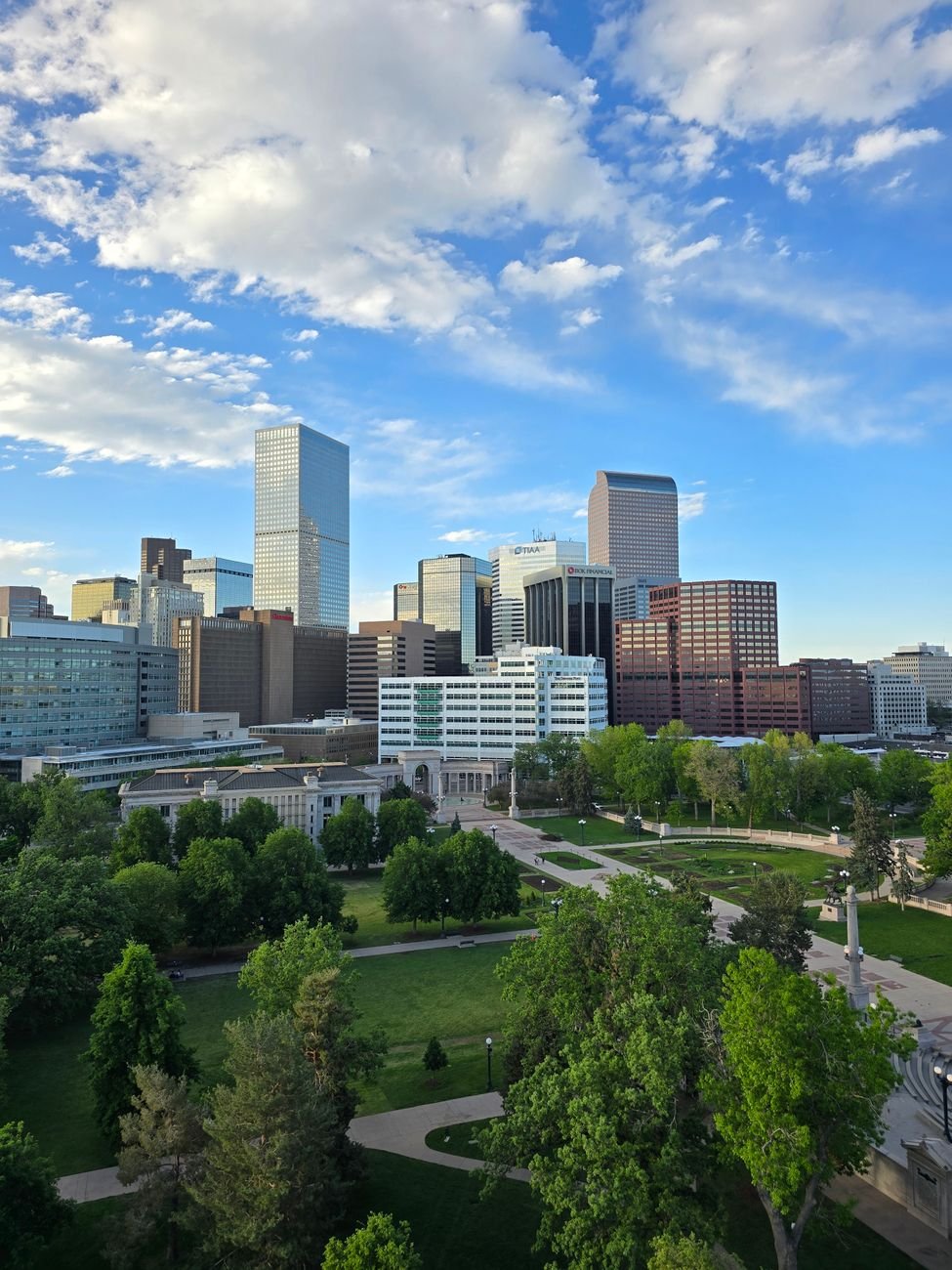
On a Tuesday night in July, the boathouse dock at Washington Park is still crowded with paddleboarders at half past eight, because at this altitude the sun doesn't quit until well after most East Coast dinners have been cleared. Somebody's dog is doing laps around a pickup volleyball game on the Big Green. A kid on a bike is yelling at his friend to hustle before the ice cream truck finishes its loop. This is what summer things to do in Denver actually look like on an ordinary weeknight, not a brochure, just a city that spends nine months waiting for exactly this kind of light. The mountains sit right there on the western edge of every good view, but this list is about the city itself: the parks, the patios, the lakes, the ballpark. Denver isn't a layover on the way to a resort town. It's a place that knows how to use a long summer evening, and the following spots, gathered from a summer of actually showing up to them, are where that use happens most reliably.
Summer Things to Do in Denver Start in the Parks
Every neighborhood here organizes itself around a park, and in summer those parks turn into the real social centers of the city. Locals plan their weeks around which one is closest, which has water, and which has shade when the afternoon heat sets in. Start with the two biggest.
Washington Park
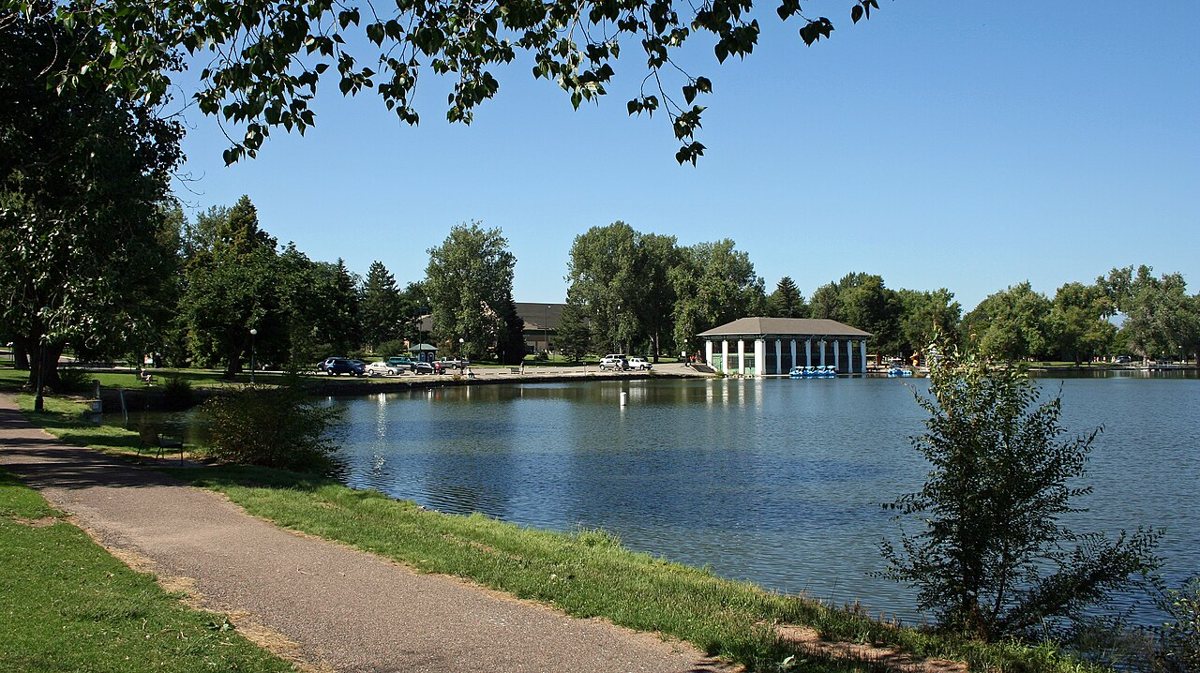
Wash Park is the one Denverites get proprietary about. Two lakes, Grasmere and Smith, split the park in half, and a 2.6-mile perimeter loop packed with runners at dawn circles both of them along with tennis courts, formal flower gardens, and enough open grass for a dozen simultaneous games of frisbee. In summer it functions as the city's living room. Rent a paddleboard or kayak from the boathouse on Grasmere Lake and paddle a slow circuit while the Front Range shows up faintly behind the trees. Bring your own board instead and you can put in almost anywhere along the shoreline; regulars tend to launch from the grass near the boathouse, where the water stays calmest. The insider move is timing: go before eight in the morning or after six in the evening, both to dodge the heat and to catch the park at its most local, before out-of-towners find parking. Afterward, locals often walk east to South Gaylord Street, where a run of small restaurants and coffee shops stays busy into the evening. It sits in south-central Denver, an easy bike ride from South Pearl Street and the Wash Park neighborhood itself.

City Park
City Park is Denver's largest, and it earns that size. Ferril Lake sits at the center with paddleboats and a walking path that lines up the downtown skyline against the mountains in one frame, which is the single best free photo op in the city and doesn't require a filter or a tripod. The park also holds the Denver Museum of Nature and Science along its eastern edge, a municipal golf course, tennis courts, and on summer evenings the free City Park Jazz series draws blankets and folding chairs onto the lawn near the pavilion. Anyone chasing a quieter lap skips the paved path directly along Ferril Lake and cuts instead through the trees on the park's north side, where the crowds thin out fast. Go for a sunset walk around the lake and you'll understand why this park, not the zoo or the museum next to it, is the actual draw for a lot of locals. Picnic tables and grills dot the grass near the pavilion, and on weekend evenings it's common to see three or four family cookouts going at once within sight of each other.

Denver Zoo
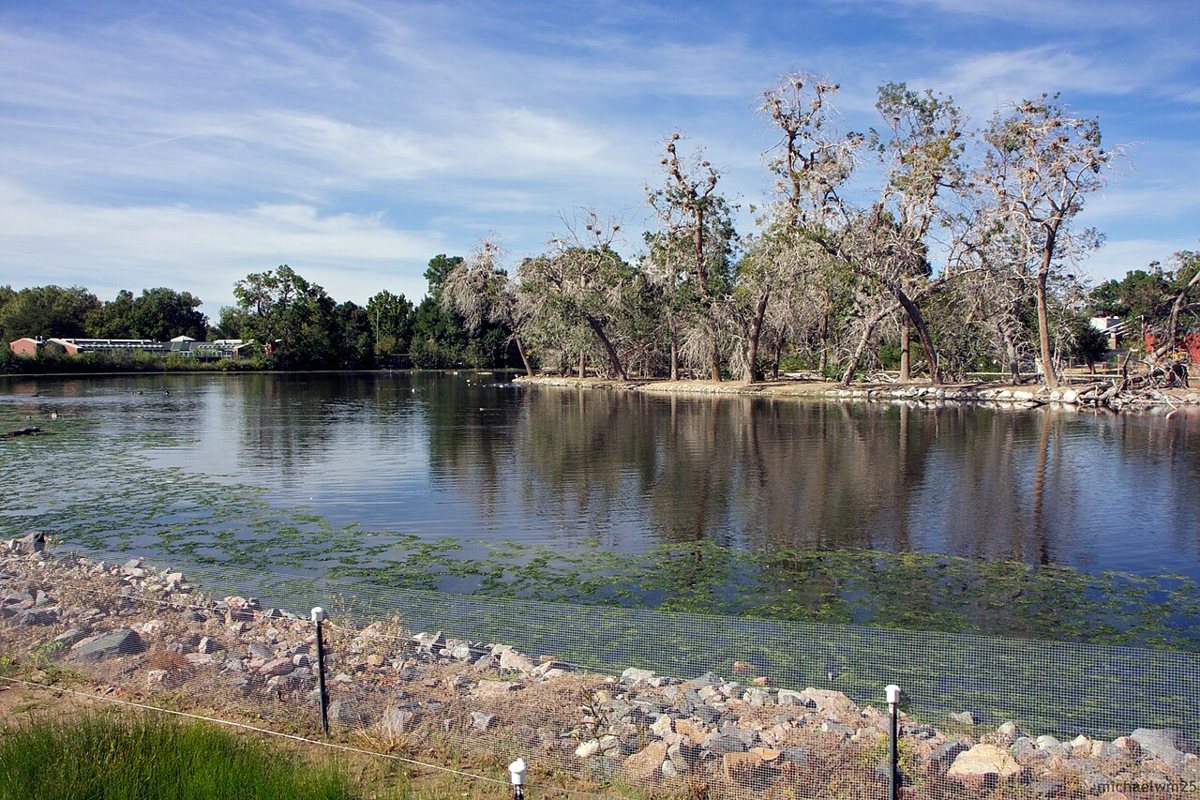
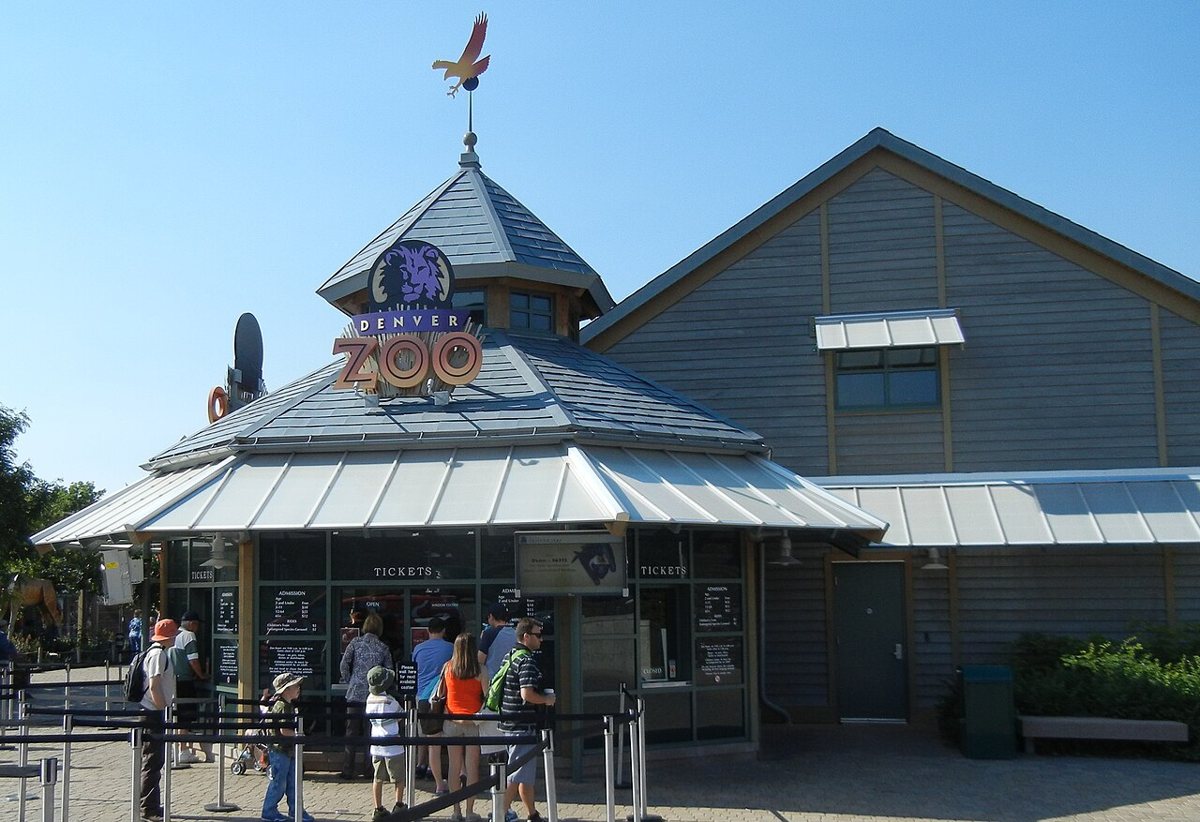
The zoo sits inside City Park's northeast corner and stays a genuine draw for adults as well as kids, thanks to a conservation-forward reputation and exhibits like Predator Ridge and the elephant habitat that give animals real room to move. It's also among the older zoos in the country, and the layout still shows some of that age in the mature trees shading the walkways between exhibits. Summer mornings are the play here: animals are more active before the heat sets in, and the shaded paths through the older parts of the grounds keep things bearable even in August. Afternoons bring direct sun across the newer, more open exhibits, so a hat and water matter more here than almost anywhere else on this list. Pair a zoo morning with lunch at one of the casual spots along Colfax or East 23rd Avenue and you've got a full City Park day without ever getting in a car.

Outdoor Culture and Live Music
Denver's summer culture calendar leans almost entirely outdoors, and the two anchors are a rock amphitheater the whole country knows and a garden most visitors underestimate.
Red Rocks Amphitheatre
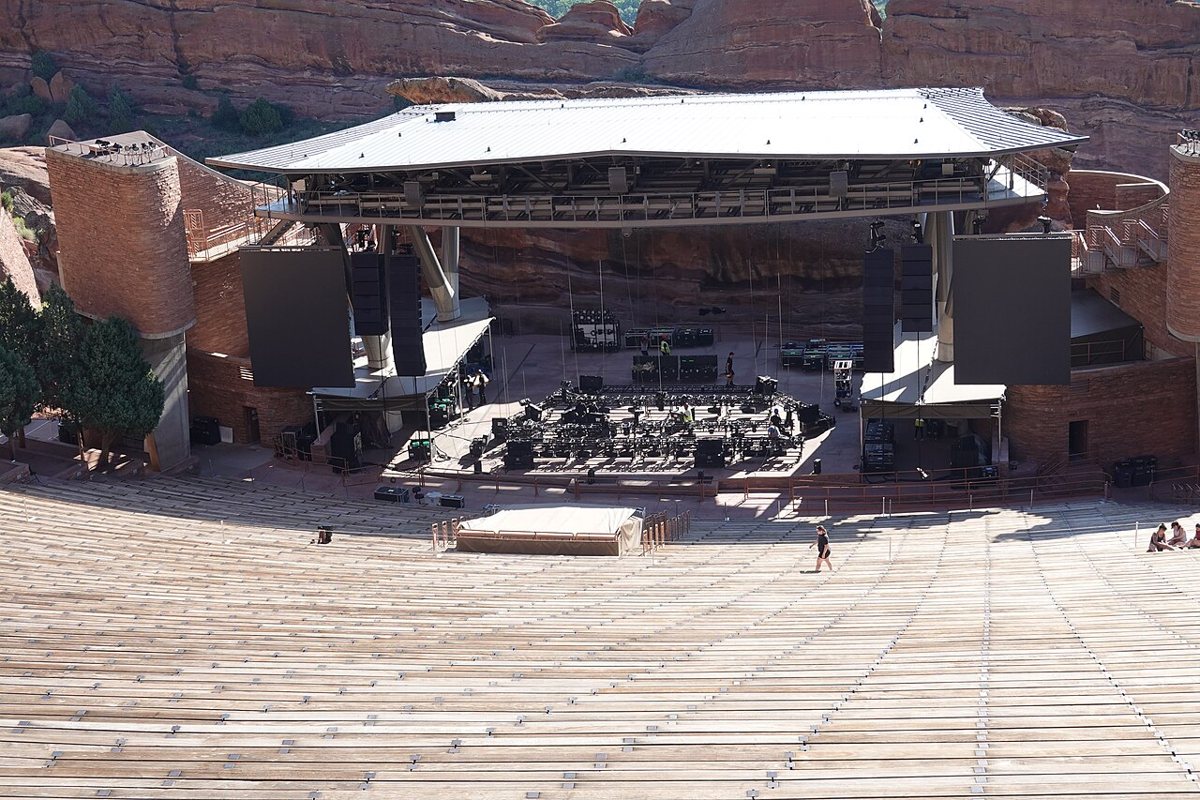
Red Rocks is the sandstone-walled venue tucked into the foothills southwest of the city, carved from towering slabs of red Fountain Formation rock, and it earns its reputation honestly: no recording captures what it's like to sit inside those two rising walls while a band plays with the whole metro area glowing below. Much of the amphitheater was built by the Civilian Conservation Corps back in the 1930s and 40s, and that history is part of why the place feels less like a modern venue and more like something the landscape produced on its own. You don't need a concert ticket to visit. Free fitness classes run on the amphitheater steps on summer mornings, and the surrounding park has hiking trails, including the Trading Post Trail, that loop through the rock formations without a crowd. The visitor center near the top has exhibits on the venue's history and a restaurant with a deck looking out over the rocks, a good stop if you'd rather sit than climb. Go early, whether for a workout class or just to climb the steps at sunrise, because the parking lot fills fast once the day heats up. It's a short drive west of the city, not a mountain-town excursion, and locals treat it as a regular part of a Denver summer rather than a special trip. The trails connect to the broader Matthews/Winters Park system just to the north, so hikers looking for more distance than the Trading Post Trail offers can keep going well past the amphitheater itself.

Denver Botanic Gardens
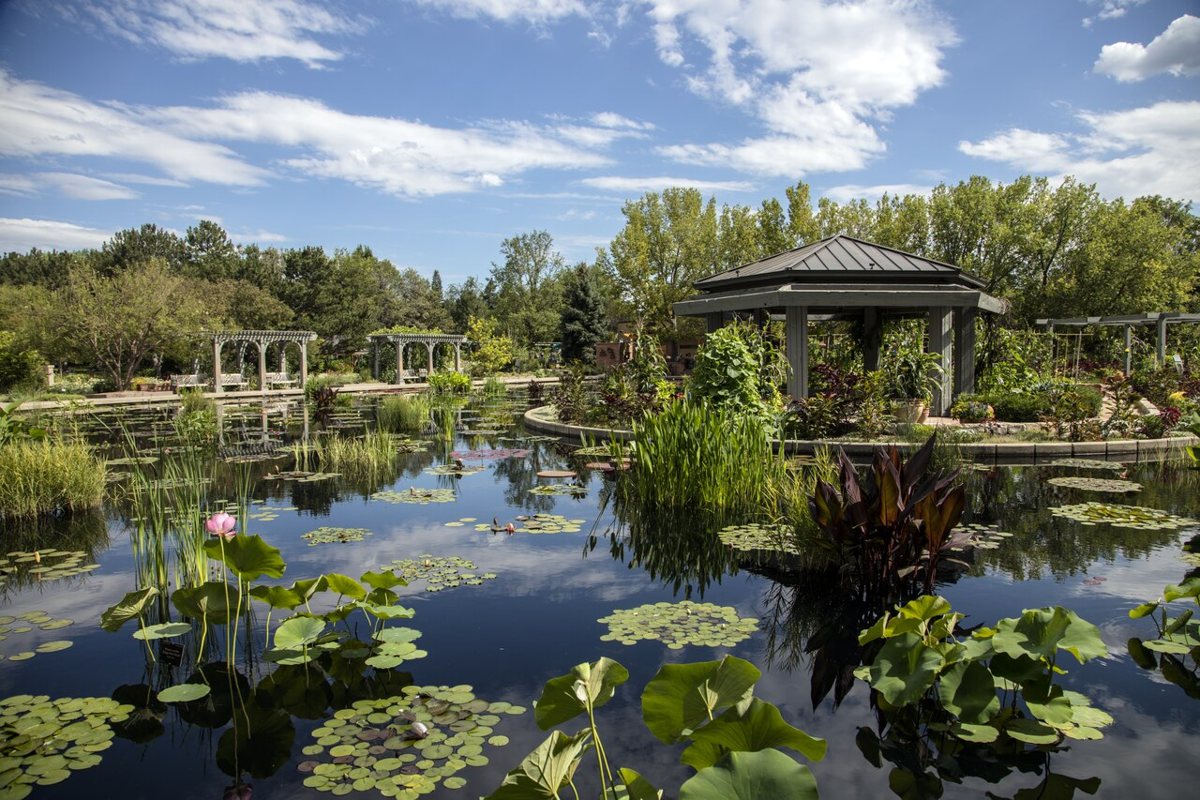
The York Street gardens get overlooked by visitors chasing bigger landmarks, which is a mistake. The Monet-inspired borders, the Japanese garden, and the water features make these grounds photograph better than almost anywhere else in the city, and the summer concert series brings bands to the great lawn for evening shows with the gardens as a backdrop. The conservatory, a domed tropical greenhouse near the entrance, is worth a stop even in summer, since the humidity inside makes for a strange, welcome contrast to Denver's dry heat outside. Go in the late morning to see the plantings at their best, before the light turns harsh and the paths fill with tour groups, then come back another evening for a concert on the grass with a picnic. It sits between Cheesman Park and Congress Park, an easy add-on to either neighborhood, and both of those parks reward a slow walk of their own if there's extra time.
Neighborhoods Made for Slow Summer Evenings
Some of the best Denver summer nights aren't built around a single attraction at all. They're built around a walk through a specific stretch of the city with no particular destination.
Larimer Square and Union Station
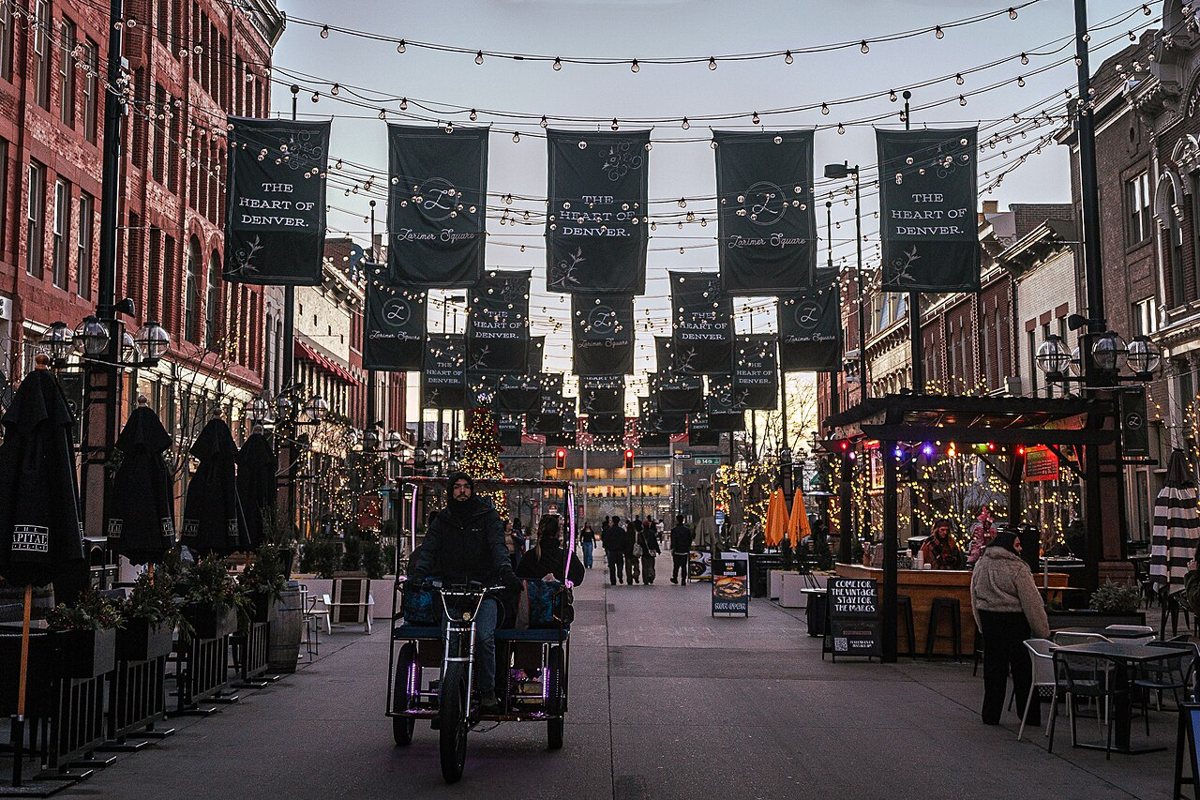
Larimer Square, the oldest block in downtown Denver, strings lights over its patios and keeps its brick storefronts busy well past dark, which makes it the natural start of a LoDo evening. The block's cast-iron storefronts date back to Denver's earliest years as a city, and most of the restaurants here still work outdoor seating into narrow spaces between the original buildings. Walk it slow, then head a few blocks over to Union Station, the restored train depot whose Great Hall now functions as a communal living room, all leather couches, board games, and people meeting for drinks under the original chandeliers. Amtrak still runs out of the station, so it's common to see someone rolling a suitcase past the bar on their way to a platform. If you want to keep the night going, look for a RiNo rooftop bar nearby, where downtown's grid and the mountain skyline both show up at once. This part of downtown is compact enough to cover entirely on foot, and most of it sits within a few blocks of the 16th Street corridor if you'd rather walk than drive.

RiNo Art District and Five Points
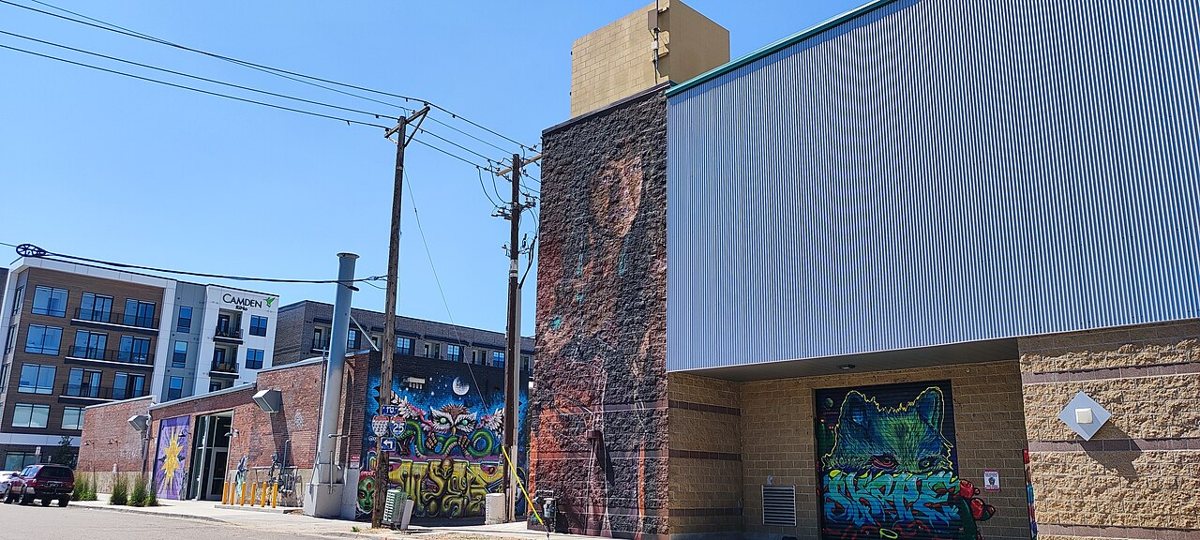
RiNo, the old rail-yard and warehouse district north of downtown, has spent two decades turning industrial buildings into galleries, taprooms, and studio space, and the alleys between Larimer and Walnut hold some of the most ambitious street murals in the country, many of them repainted or added to every year. It borders Five Points, the historic center of Denver's Black cultural life and the birthplace of the city's jazz scene, still marked by landmarks along Welton Street and a musical legacy that shows up every summer at neighborhood festivals. The two districts blur into each other enough that a single walk can cover a mural-hunting loop through RiNo and a stop at a Five Points institution for lunch. Wander both on foot, duck into a gallery, and budget time for the rest of what RiNo packs into a few blocks, which cluster thick enough in this stretch that a short walk covers half a dozen stops without needing a car.

South Broadway and Cherry Creek North
For a different pace, South Broadway through Baker is Denver's indie strip: vintage shops, record stores, and a stretch of low-key restaurant patios that stay busy on summer nights without ever feeling like a tourist corridor. The stretch known locally as Antique Row adds a run of secondhand furniture and design shops for anyone willing to browse. Cherry Creek North, on the other end of the spectrum, is the polished version, an upscale shopping district with wide sidewalks built for browsing on a warm evening and enough restaurant patios to make a full night of it without repeating a block. Neither needs a plan beyond showing up and walking until something looks good. Both corridors also work well split across a single evening: start with dinner and browsing on South Broadway, then finish with a slower drink in Cherry Creek North once the temperature drops and the sidewalks empty out a little.
Cooling Off Along the Water
Denver summers run hot and dry, and the city's answer is a network of trails and small lakes that make it easy to find shade or water within a short ride of almost anywhere.
Cherry Creek Trail
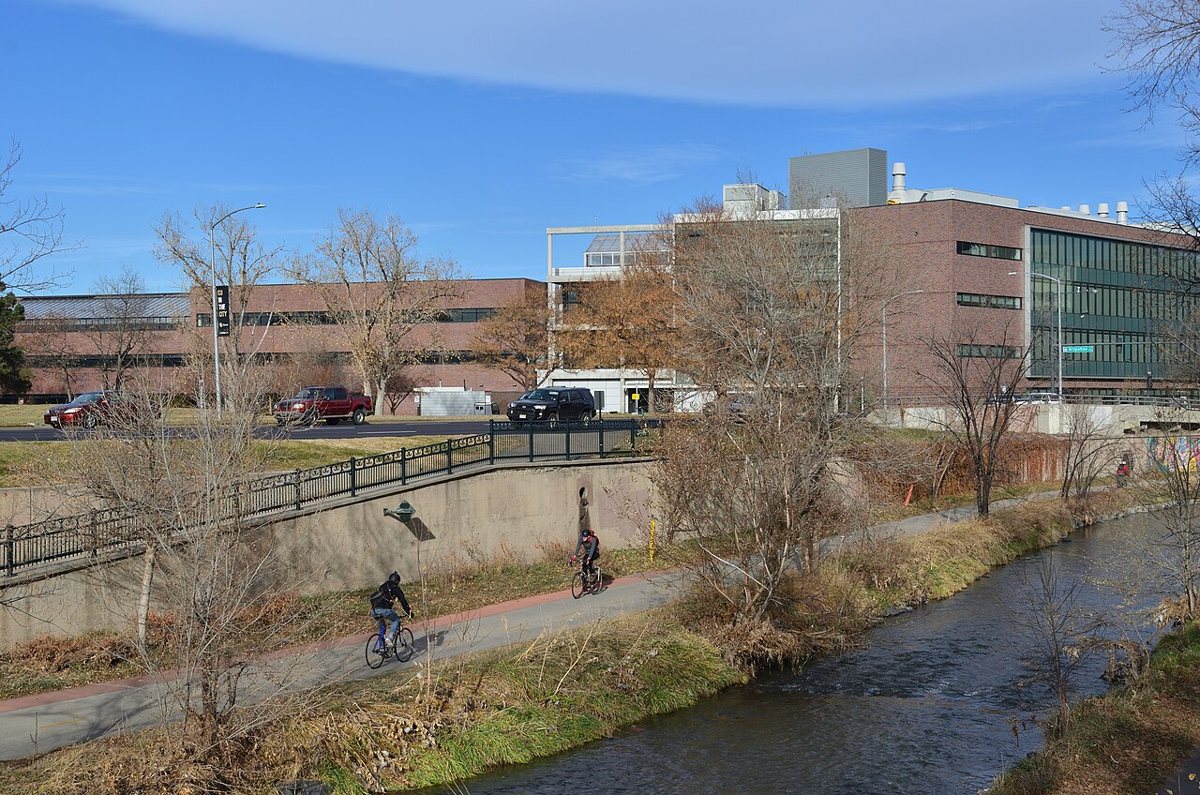
This paved path follows Cherry Creek from Confluence Park downtown all the way out to Cherry Creek State Park, and it's the backbone of Denver's bike culture. It runs mostly below street level, cut into its own creekside corridor, so a surprising stretch of the ride feels removed from downtown traffic even though you're never far from it. Rent a bike near Union Station, ride south through Cherry Creek North for coffee, and loop back before the afternoon heat builds. Mornings are best, both for temperature and for the light on the water, and the shaded sections near the underpasses offer the only real relief once the sun climbs higher.

Confluence Park
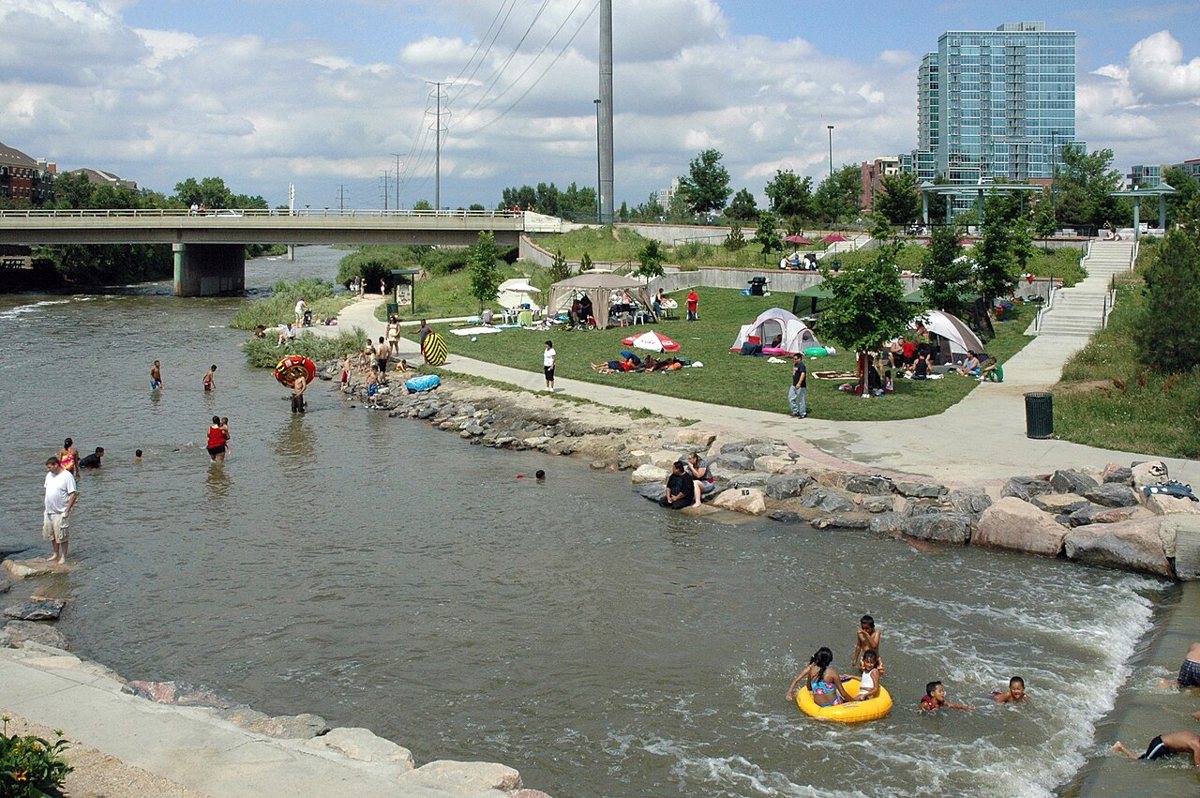
This is the spot where Cherry Creek meets the South Platte River, right at the edge of downtown and Highland, and on any warm afternoon it's full of kayakers, tubers, and people just standing in the current to cool off. A man-made whitewater feature draws paddlers looking to practice, and the grassy banks make it an easy spot to watch from dry land with a coffee in hand. REI's flagship store sits right across from the park, and plenty of people rent a kayak or paddleboard there before walking straight down to the water. It connects directly to both the Cherry Creek Trail and the South Platte River Trail, so it works as a turnaround point for a longer ride.

Sloan's Lake
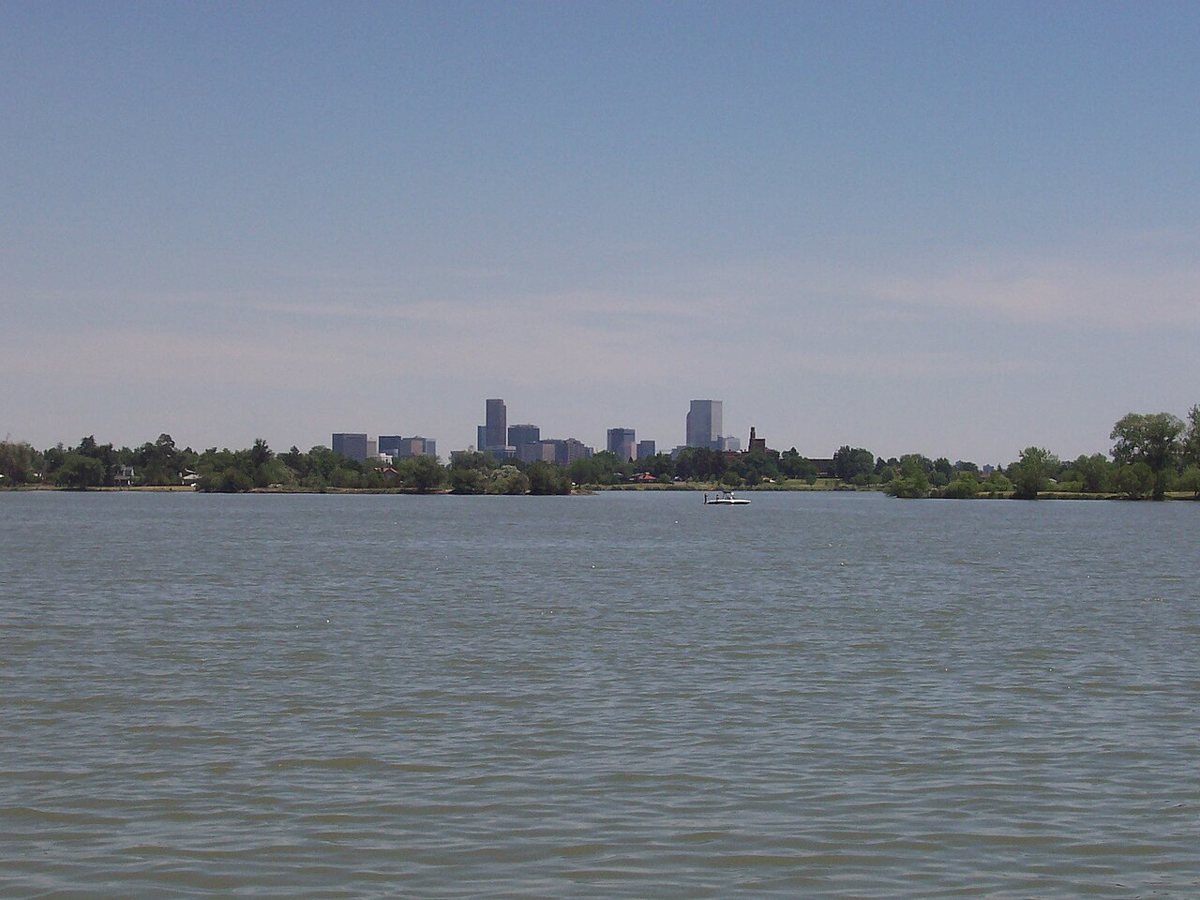
Denver's second-largest park wraps around a genuine lake with mountain views across the water, and it draws a different crowd than Wash Park, more paddleboards and fewer picnic blankets. Elitch Gardens amusement park sits along one edge, so it's an easy combination day for anyone traveling with kids who want rides and water in the same afternoon. Sailors and windsurfers use the lake too, since the open water here catches more wind than Wash Park's smaller lakes ever do. The west side of the lake path, away from the amusement park noise, is the quieter stretch for a sunset walk. It's in the Sloan's Lake neighborhood, just west of Highland, and close enough to Edgewater's restaurants to fold into the same outing.

Baseball, Art, and Places to Duck the Heat
Round out a Denver summer with two stops that reward a full afternoon: a ballgame and a museum built for exactly this kind of heat.
Coors Field
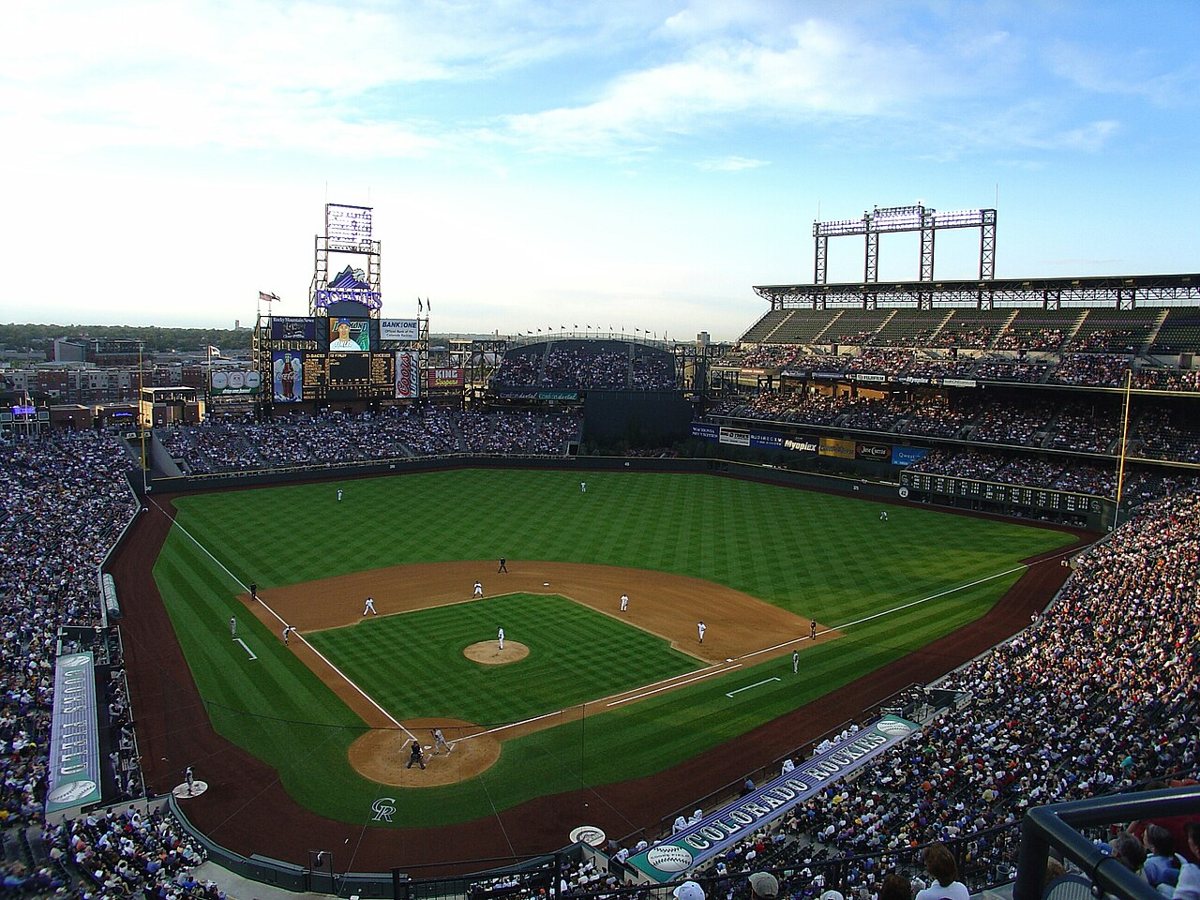
A Rockies game at Coors Field remains a genuinely local way to spend a summer evening, purple seats and all, marking the row exactly one mile above sea level. The ballpark sits right in LoDo, so a game folds naturally into a longer night that starts with dinner nearby and ends on a patio a few blocks away. The rooftop deck in left field and the wide concourses make it easy to wander during a slow inning without losing track of the game, and the thin air here is part of why balls tend to carry a little farther than they do at sea level. Locals know to check the outfield concourse for the mountain views that open up once the sun starts dropping behind the stands, and a night game in July often ends with a temperature drop that catches people who left their jacket in the car.

Denver Art Museum
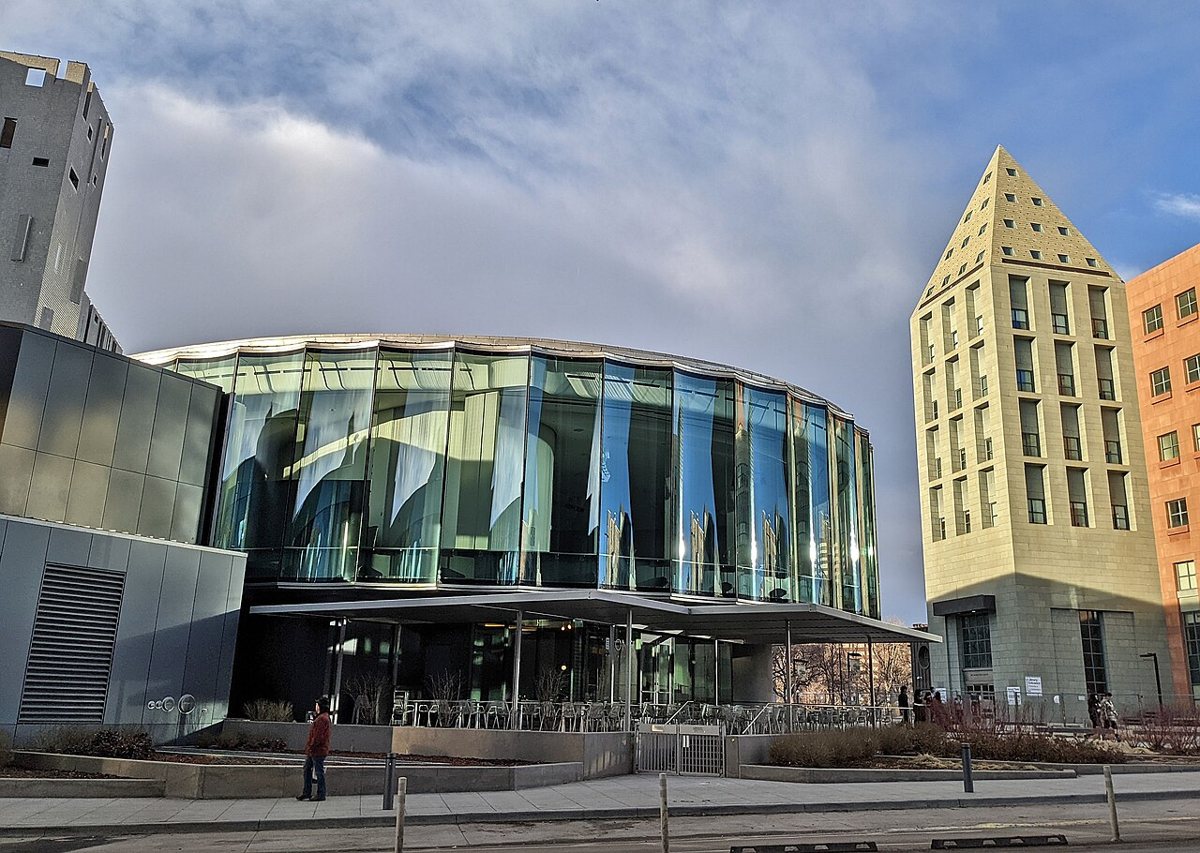
When the afternoon heat gets serious, the Denver Art Museum is the reliable retreat, its angular titanium-clad Hamilton building alone worth the walk-through. Architect Daniel Libeskind's design draws its own reactions before visitors even reach the galleries, all sharp angles and shifting panels that look different depending on where the sun sits. The museum's Native American art collection is recognized as among the most significant in the country, and it sits alongside rotating contemporary shows and a photography collection that changes often enough to reward repeat visits. The air conditioning makes it a smart midday stop between outdoor plans, and the museum café gives you a reason to linger over lunch instead of rushing back into the heat. It anchors the Golden Triangle neighborhood, an easy walk from Civic Center Park, and pairs naturally with the Clyfford Still Museum next door for anyone who wants a second collection in the same afternoon.

Getting Around, Timing It Right, and What's Actually Free
Denver's grid downtown is walkable, and the light-rail and bus network run by RTD connects most of the neighborhoods on this list without a car, though a bike is often the faster option once you're in the flatter parts of the city. Altitude and dry air mean sunburn and dehydration sneak up fast, so carry water even on an easy walk. The thinner atmosphere here also lets more UV through than it would at sea level, so sunscreen matters even on a mild, cloudy-looking afternoon. Afternoon thunderstorms are common in summer and tend to roll through fast, usually clearing within an hour, so it's rarely worth rearranging a whole day around one. Mornings before nine and evenings after six are the sweet spot for anything outdoors, both for temperature and for avoiding the thickest crowds.
- City parks, including Washington Park, City Park, Confluence Park, and Sloan's Lake, are free to enter and open daily.
- Denver Botanic Gardens and the Denver Art Museum sometimes offer free or reduced-cost hours; check current listings before you go.
- Free fitness classes at Red Rocks and the City Park Jazz concert series cost nothing beyond getting yourself there.
- Walking Larimer Square, RiNo's mural alleys, and the Cherry Creek Trail costs nothing but time.
- Parking downtown and near Red Rocks can be tight in peak season, so arriving early solves most of it.
None of this requires a drive into the high country to feel like a real Colorado summer. That's the part visitors tend to miss and locals stopped needing to explain a long time ago. The mountains are there on the horizon, a fact of the skyline more than a plan for the day, and the actual summer happens closer in: a lake with a paddleboard, a patio that doesn't empty out until midnight, a ballgame with the sun still up in the seventh inning. After three boom cycles and two decades of watching this city redraw its own map, the parks and the water are still the parts that haven't changed, and they're still the best reason to be here in July. Pick two or three from this list for a weekend, not all of them, and leave room for whatever the evening light happens to do on its own.