Best Day Trips From Denver You Shouldn't Miss
Denver's mountains, foothills, and high plains all sit within a tank of gas, and the best day trips from Denver reward whichever direction you point the car.
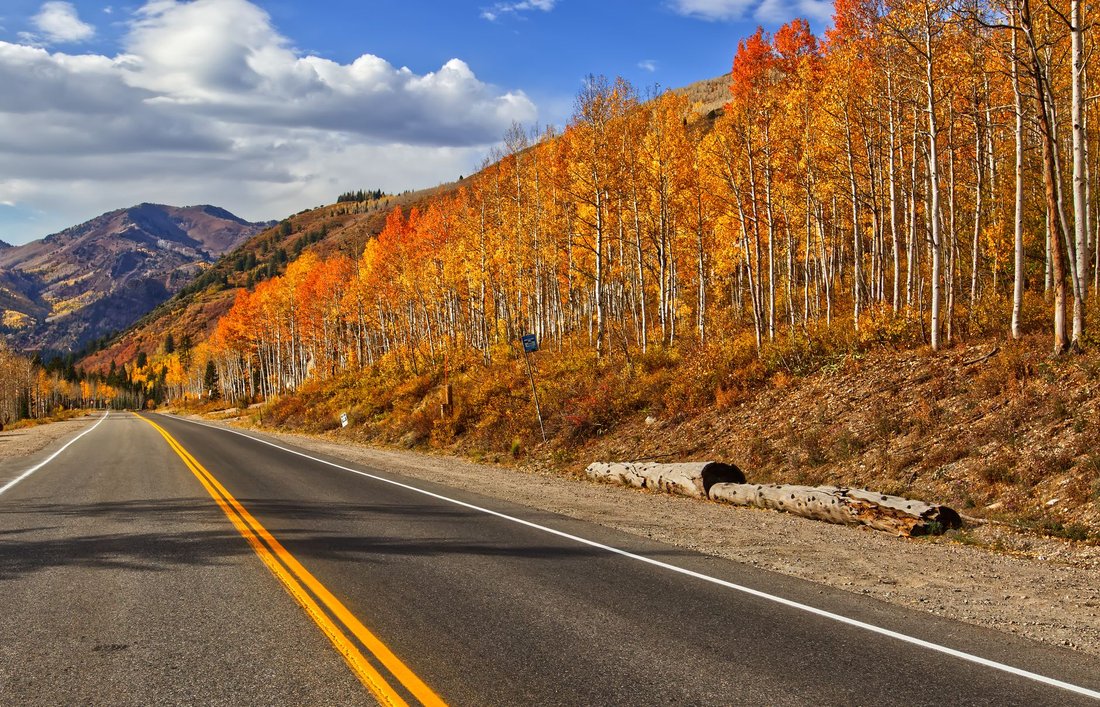
By 6:45 a.m. on a Saturday in September, the parking lot at the Georgetown trailhead already has eight cars in it, windows fogged, engines ticking as they cool. Nobody's talking much. There's a thermos of gas station coffee getting passed between two guys in fleece vests, and somewhere up the drainage an elk bugles, that weird rusty-gate sound that still makes first-timers jump. None of it is a special occasion. It's a normal weekend for a normal number of Denver people, because the whole point of living here is that you can wake up in your own bed and be standing in a subalpine basin by breakfast. That proximity is the entire argument for the best day trips from Denver: nowhere else stacks a functioning downtown, a two-hour drive to 14,000 feet, and an equally short drive out onto the plains where the horizon just quits. This guide covers the real range of it, not just the obvious mountain loop everyone already knows.
The organizing idea below is direction and character, because that's how locals actually think about it. West means altitude and old mining grit. The foothills mean a shorter version of the same thing, doable after a late start. South means red rock and glacier-carved granite. East means you finally see how big Colorado actually is once the peaks disappear behind you.
West on I-70: Mining Towns and High Alpine Air
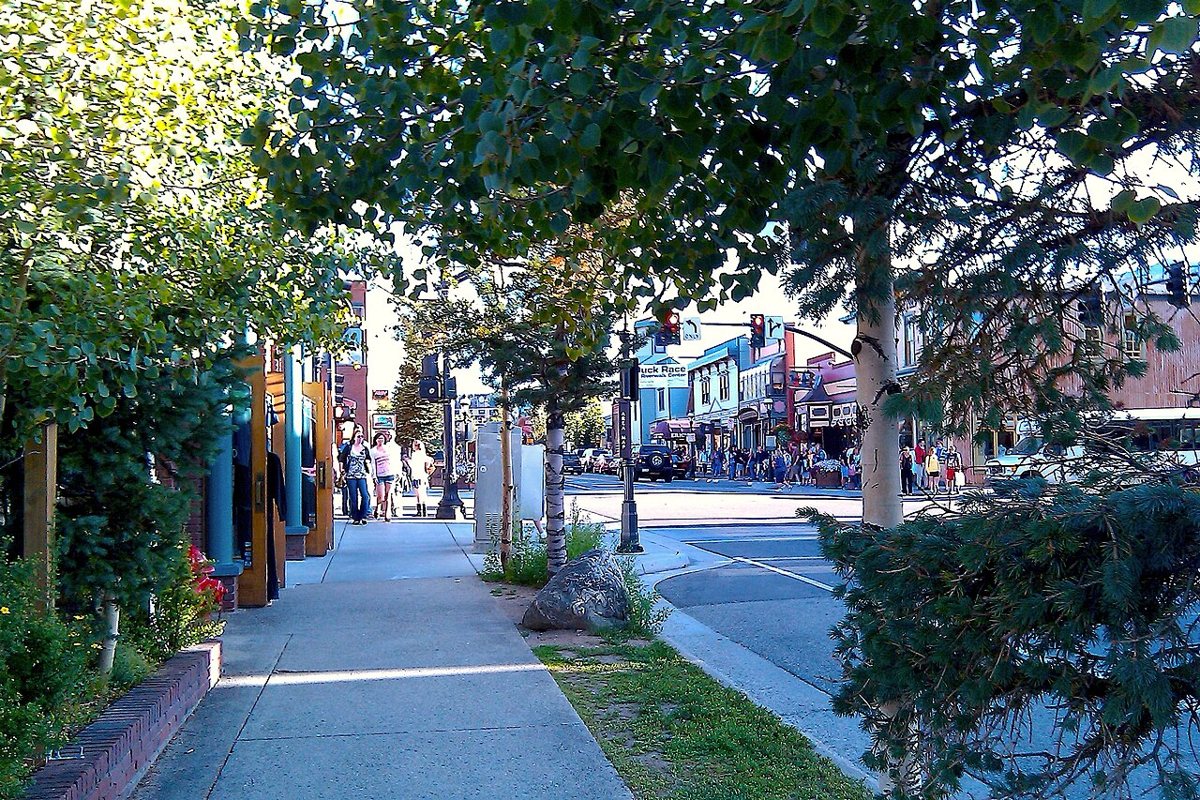
Georgetown sits about an hour west of Denver, tucked in a narrow valley that used to be one of the richest silver districts in the territory, and it still looks the part. The false-front Victorian buildings on the main drag haven't been Disneyfied into a theme park version of themselves; people actually live upstairs from the shops. Walk the historic district, poke into the old church, and if you time it right, ride the narrow-gauge railway that loops over to Silver Plume on restored steam and diesel equipment. The insider move is to skip the summer weekend crowds and go on a weekday afternoon in shoulder season, when the aspens up the side canyons are turning and the town empties out to something close to its actual population.
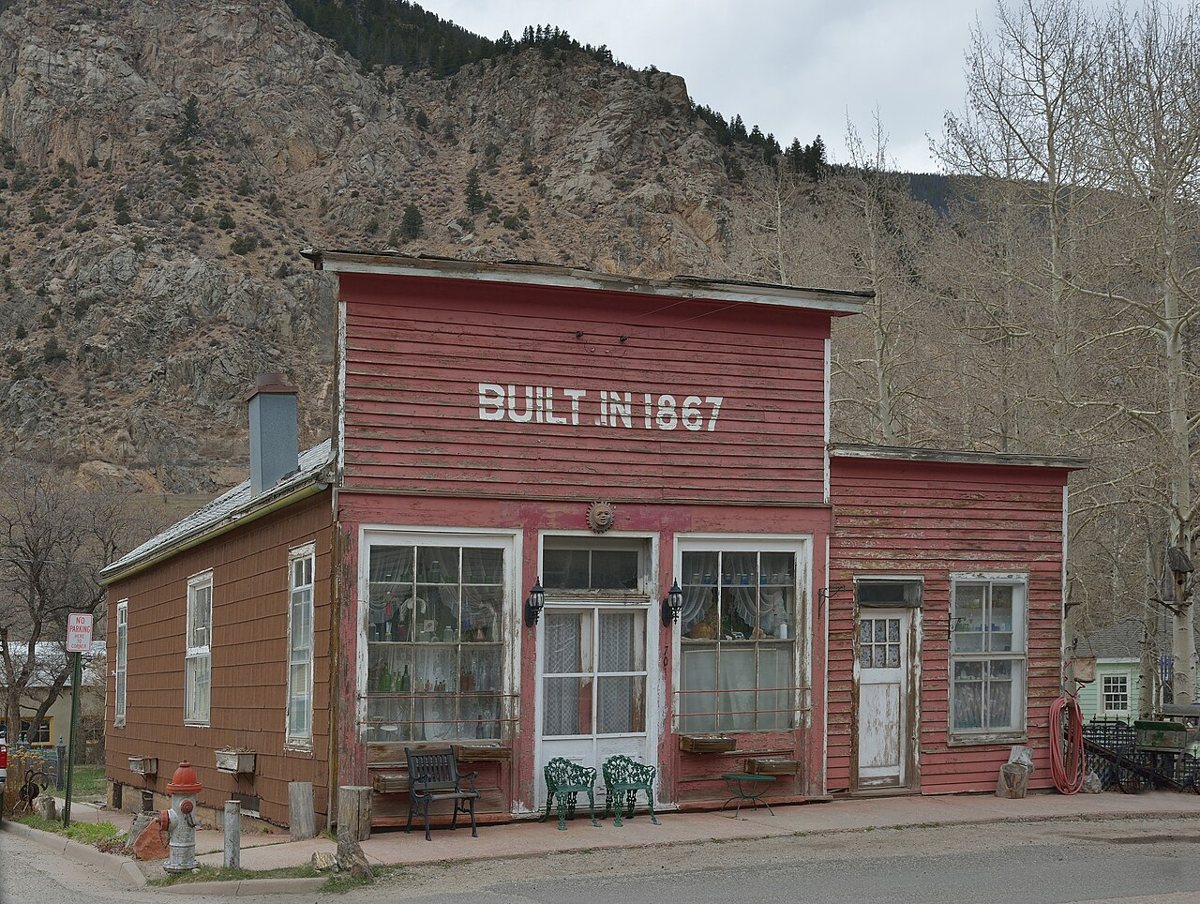

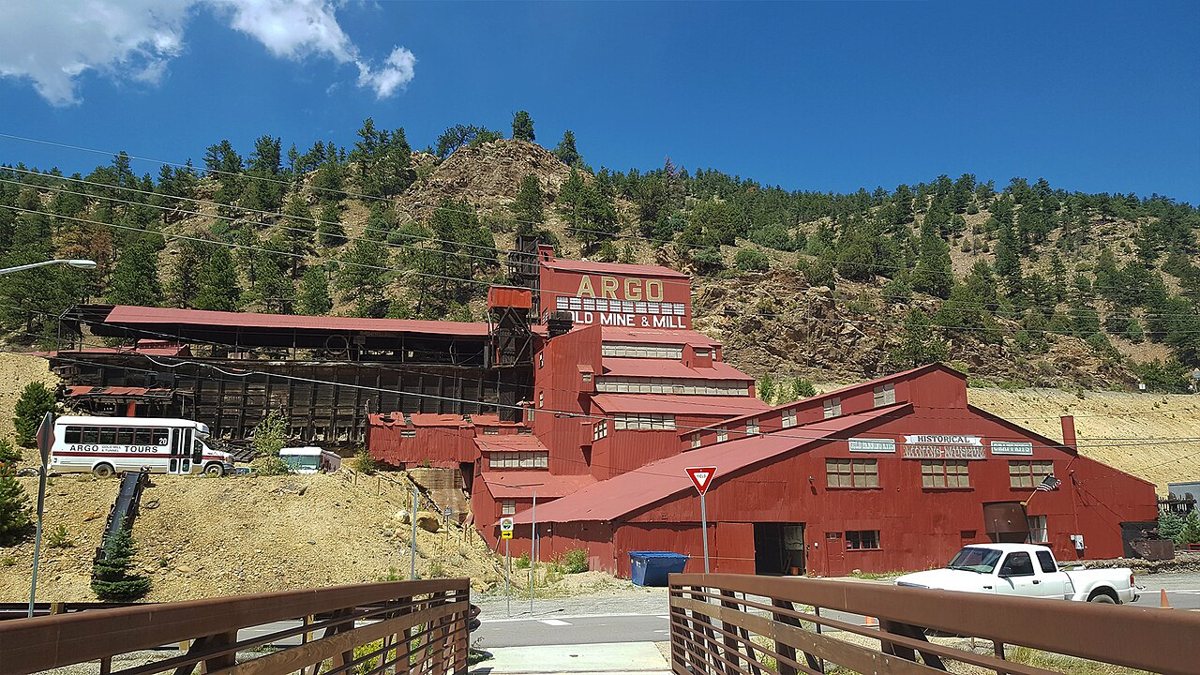
Idaho Springs, about 45 minutes from downtown Denver, is the workingman's version of a mountain stop: less curated than Georgetown, more useful. It's a former gold camp that still smells faintly of sulfur from the hot springs pool built into the hillside, and it's the last real town before I-70 starts climbing in earnest. Soak at the mineral springs, grab a burger at one of the diners that's been feeding miners and climbers since before the interstate existed, then use it as a jumping-off point for the Mount Evans road, one of the highest paved roads on the continent, which switchbacks up past mountain goats and bighorn sheep to a summit that puts you above 14,000 feet without a single step of hiking. Check current road status before you go; it's seasonal and weather closes it fast even in July.

Mount Evans and the High Alpine Detour
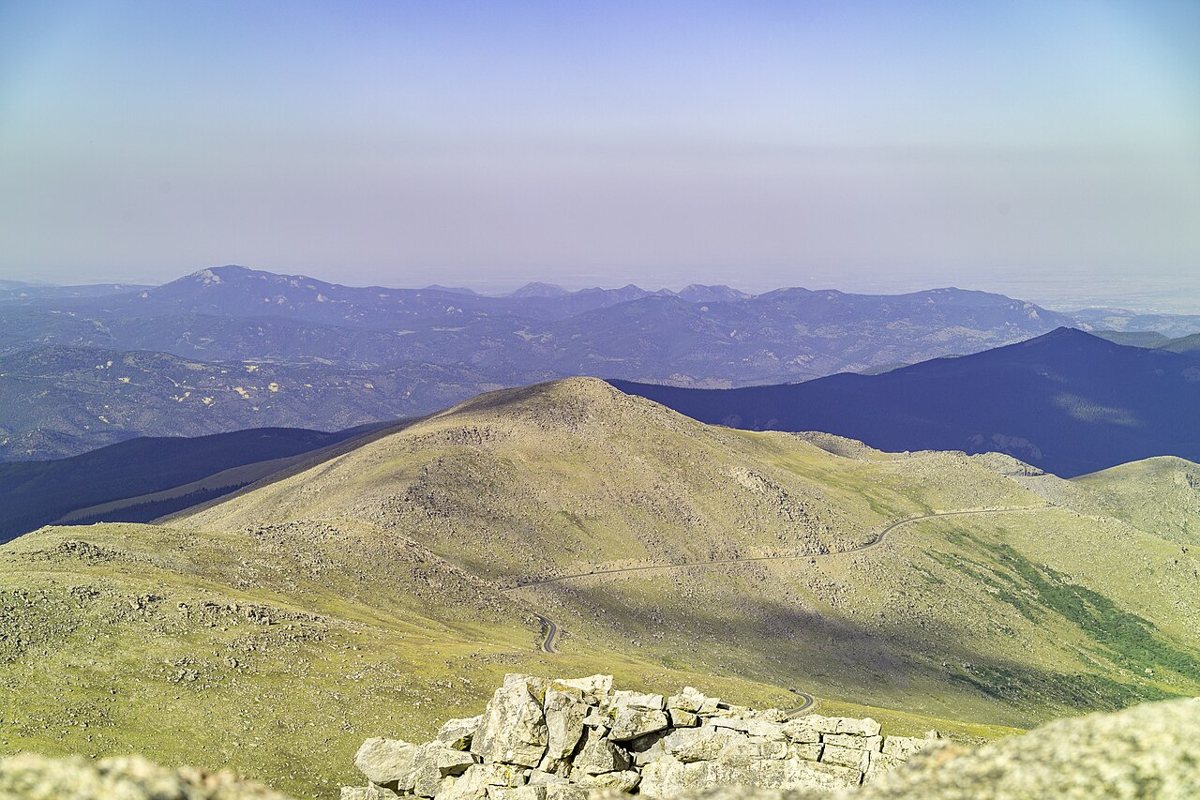
Mount Evans deserves its own mention separate from Idaho Springs because the drive itself is the destination. The road tops out near the summit, and on a clear morning you can see a startling percentage of the Front Range laid out below. Locals treat it as a rite of passage for out-of-town guests: drive them up, watch them get lightheaded from the elevation, buy them a green chile burrito on the way back down. Go early. Afternoon thunderstorms build fast at that altitude and the road has no guardrail illusions to hide behind.

Continue west and you hit the ski towns proper, Breckenridge, Frisco, and Winter Park among them, roughly ninety minutes to two hours out depending on traffic through the Eisenhower Tunnel. These are worth a summer day trip for the free concerts, mountain coasters, and lake paddling around Dillon Reservoir, even though most people only think of them in a snow context. That's the one thing worth saying plainly: Denver is not a ski town, it's a city that happens to sit near several, and locals who actually live here treat a trip to Breck the way someone in Chicago treats a trip to a lake house, an occasional indulgence, not an identity.

The Foothills: Short Drives, Big Payoff
Golden is fifteen minutes from downtown and somehow still gets slept on by visitors chasing the higher peaks. It's a legitimate town with a working brewery at its center, a school of mines, and Clear Creek running right through downtown cold enough to make your ankles hurt in July. Walk the creekside path, tour the brewery, and drive five minutes up to Lookout Mountain for the overlook and Buffalo Bill's grave, which has one of the better views of the plains meeting the mountains you'll find anywhere in the metro. Of everything here, Golden is the easiest to pull off on a Tuesday after work, honestly, if you're not worried about getting back before dark.
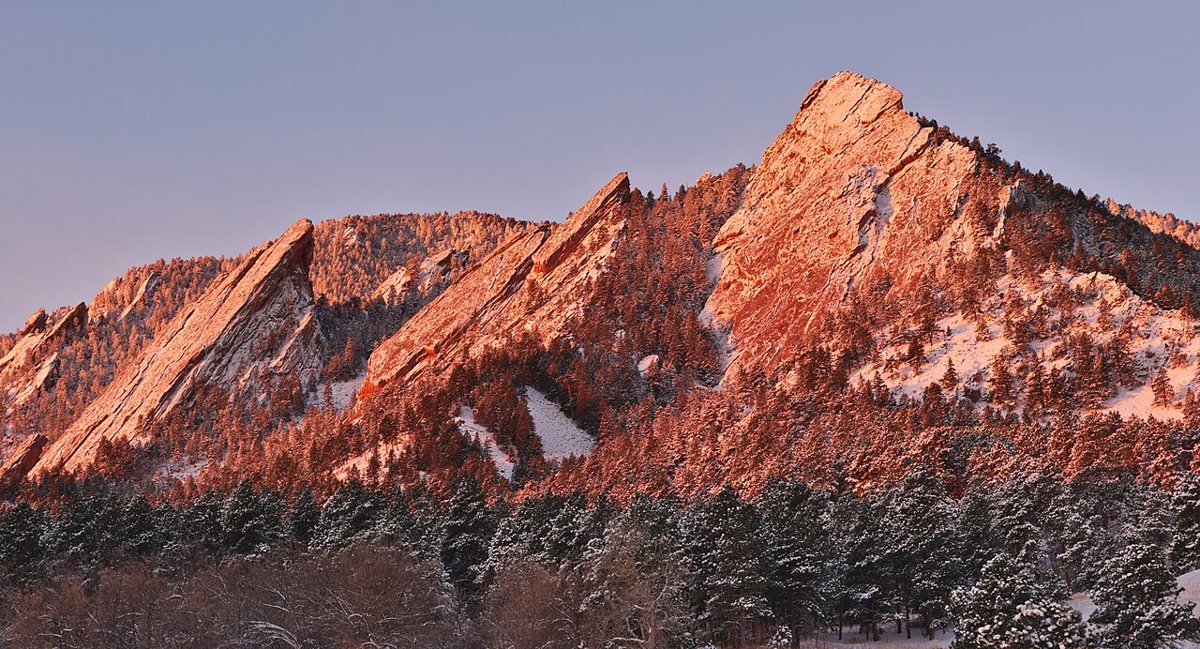
Boulder, forty minutes north, gets treated as a suburb by people who've never actually spent a day there, which undersells it. The Flatirons rise directly behind downtown in a way that no photo quite captures until you're standing under them, and the Pearl Street pedestrian mall is one of the better people-watching blocks in the state. Hike the Chautauqua trails right up to the base of the rock formations, then come back down for a meal on Pearl. It pairs naturally with a stop for a nearby hike, since half the trailheads in the foothills funnel through Boulder anyway.

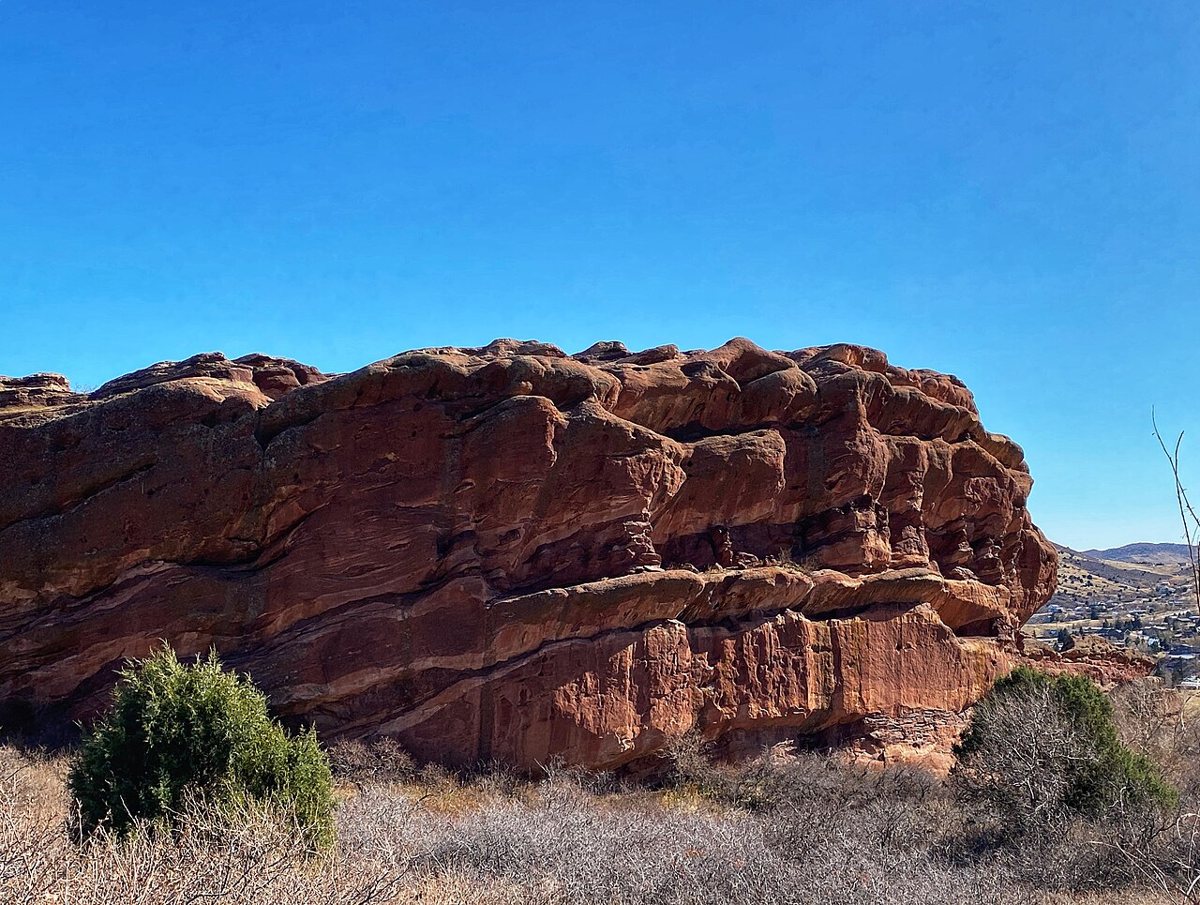
Red Rocks Park and Amphitheatre, about a half hour southwest, is not a secret and shouldn't be treated like one; it's one of the most photographed music venues on earth and it earns that reputation. Even without a concert, walk the trails around the sandstone monoliths at sunrise before the crowds show up, when the light turns the rock the color of a struck match. The visitor center has exhibits worth ten minutes if you want context on how the formations got there.

South of Denver: Red Rock and Granite Country
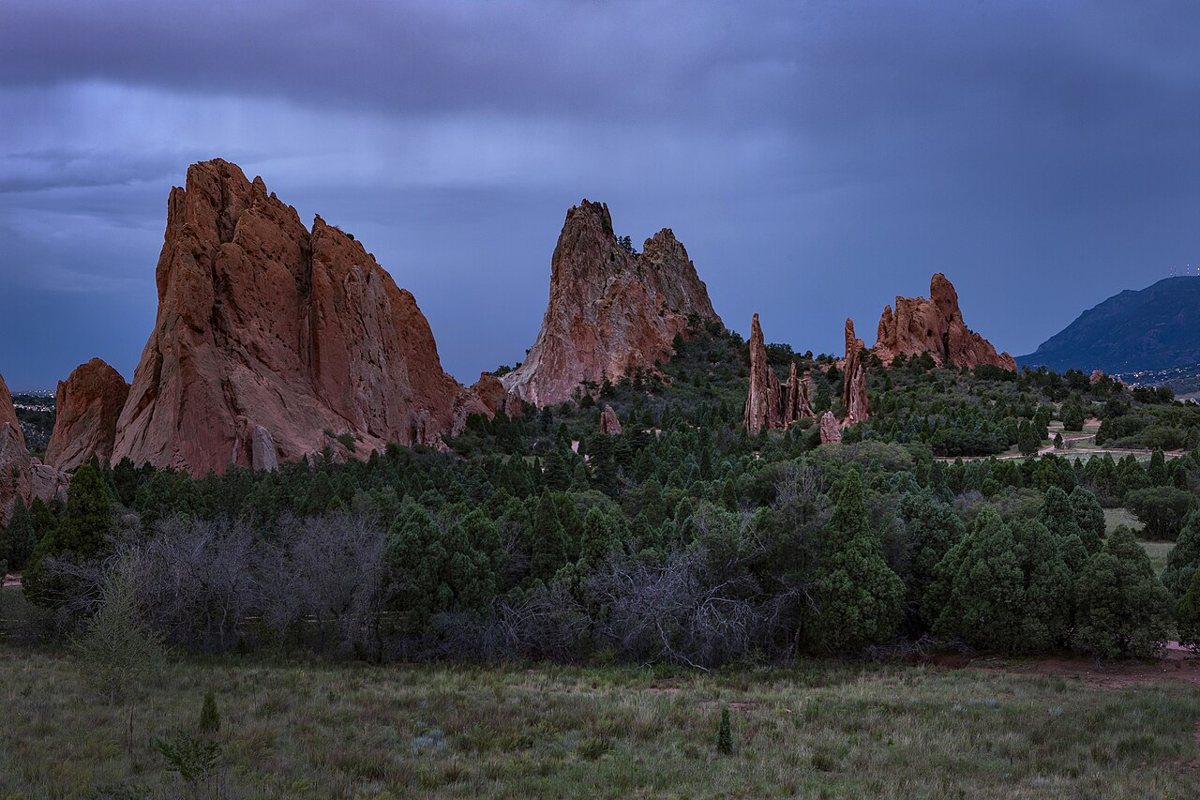
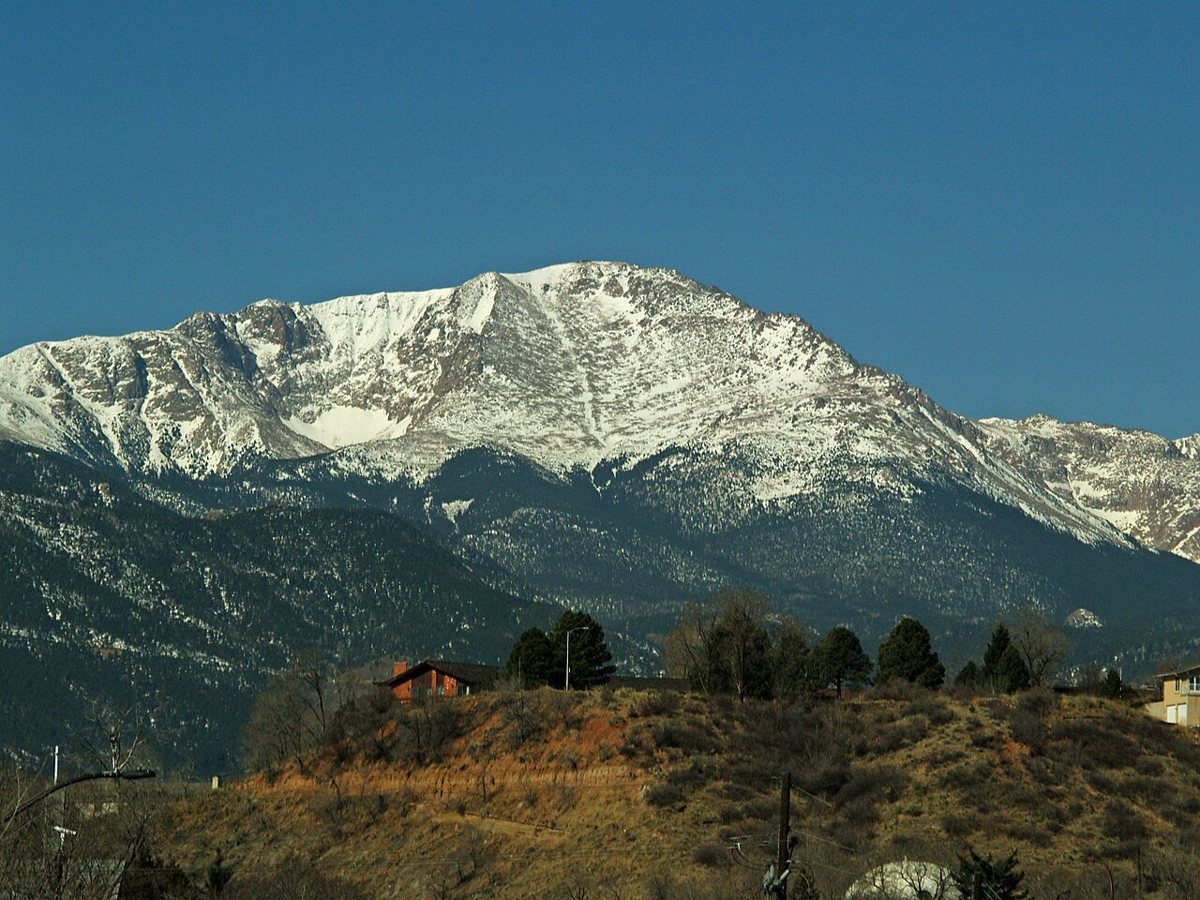
Colorado Springs sits about seventy-five minutes south and functions almost as a second small city with its own day-trip menu inside it. The headline stop is Garden of the Gods, a free public park of tilted red sandstone fins that looks like a movie set until you remember it's a real geological accident. Walk the main loop, which is paved and manageable for almost anyone, or find one of the side trails if you want distance from the tour buses. Pair it with a look at Pikes Peak, either driving the highway to the summit or catching the cog railway, for the peak that gave America's most patriotic song its inspiration.

Pikes Peak itself, reachable by road or rail, tops out above 14,000 feet with views that stretch out over the plains in one direction and deeper into the Rockies in the other. The summit visitor center has a donut shop that locals will earnestly argue is worth the altitude headache, which tells you something about how Coloradans think about small pleasures earned through effort.

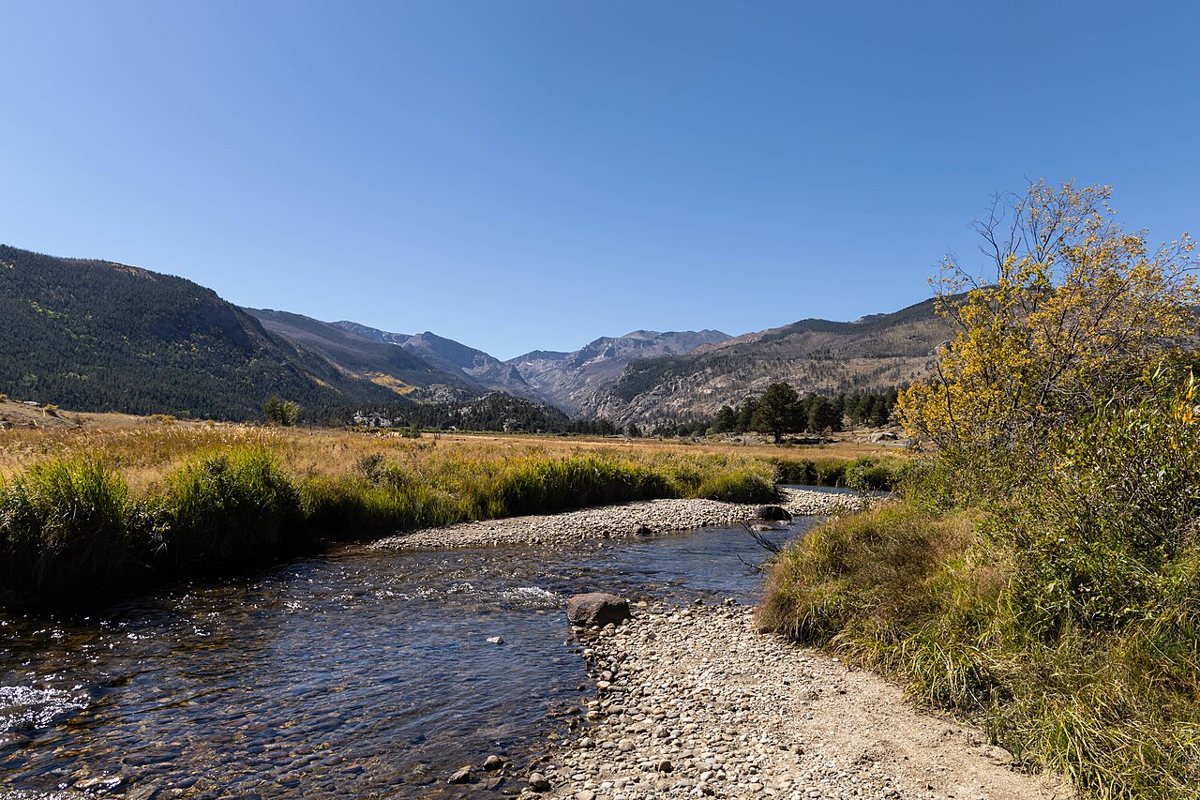
Rocky Mountain National Park, closer to two and a half hours via Estes Park, is a longer haul but rewards a full day with tundra above treeline, elk herds bugling through the fall rut, and alpine lakes that stay a startling turquoise well into August. Trail Ridge Road, the highest continuous paved road in the country, crosses the park above 12,000 feet and is only open seasonally, so check status before committing to the drive. Get there early; the park's timed-entry system and parking limits fill up fast in summer, and locals plan around sunrise rather than fight it.

Estes Park as Basecamp
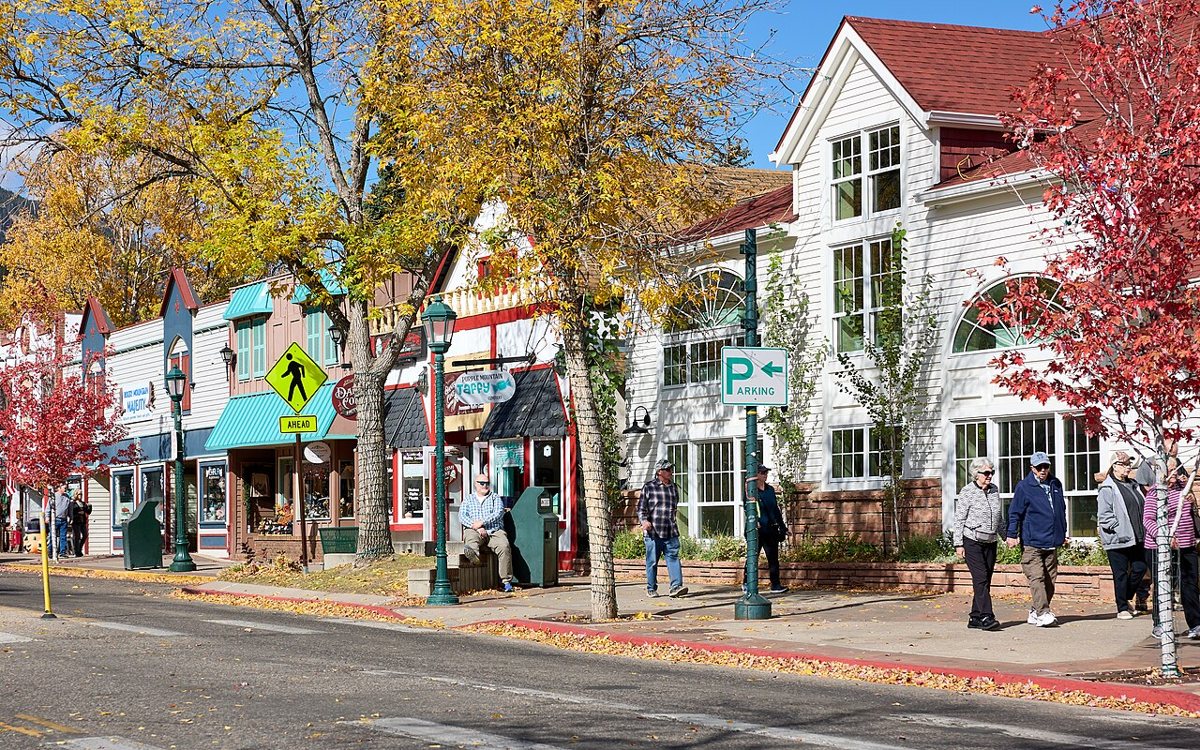
Estes Park itself, the gateway town, is worth an hour before or after the park for lunch on the lake and a look at the historic hotel that inspired a famous horror novel. It gets thick with tourists in July; a shoulder-season weekday trims the crowd considerably and lines up better with elk rutting season, which is its own spectacle worth witnessing.

East Onto the Plains: A Different Colorado Entirely
Drive an hour east of Denver and the mountains disappear behind you, replaced by a horizon so flat it plays tricks on your depth perception. This is the part of the state most visitors skip entirely, and it's a mistake, because it's the Colorado that actually grows the food and runs the trains that built Denver in the first place. Small agricultural towns out here have their own quiet rhythm: grain elevators, diners that haven't changed a menu item in decades, and a kind of sky you don't get boxed in by mountains. It's not a flashy day trip, but it's an honest one, and it recalibrates what "Colorado" even means after a few too many mountain weekends.
Scenic Drives Worth the Tank of Gas
Beyond single destinations, some of the state's best day trips from Denver are really about the drive itself. The Peak to Peak Highway connects Estes Park down through Nederland and Central City along a ridge with almost constant mountain views, best in late September when the aspen groves along the route turn a solid gold that makes people pull onto the shoulder just to look. Central City and Black Hawk, about forty-five minutes west, offer a gambling-town detour with genuinely well-preserved 1870s architecture if cards aren't your thing; the opera house alone is worth the stop.
Palisade and the Western Slope, If You Have the Whole Day
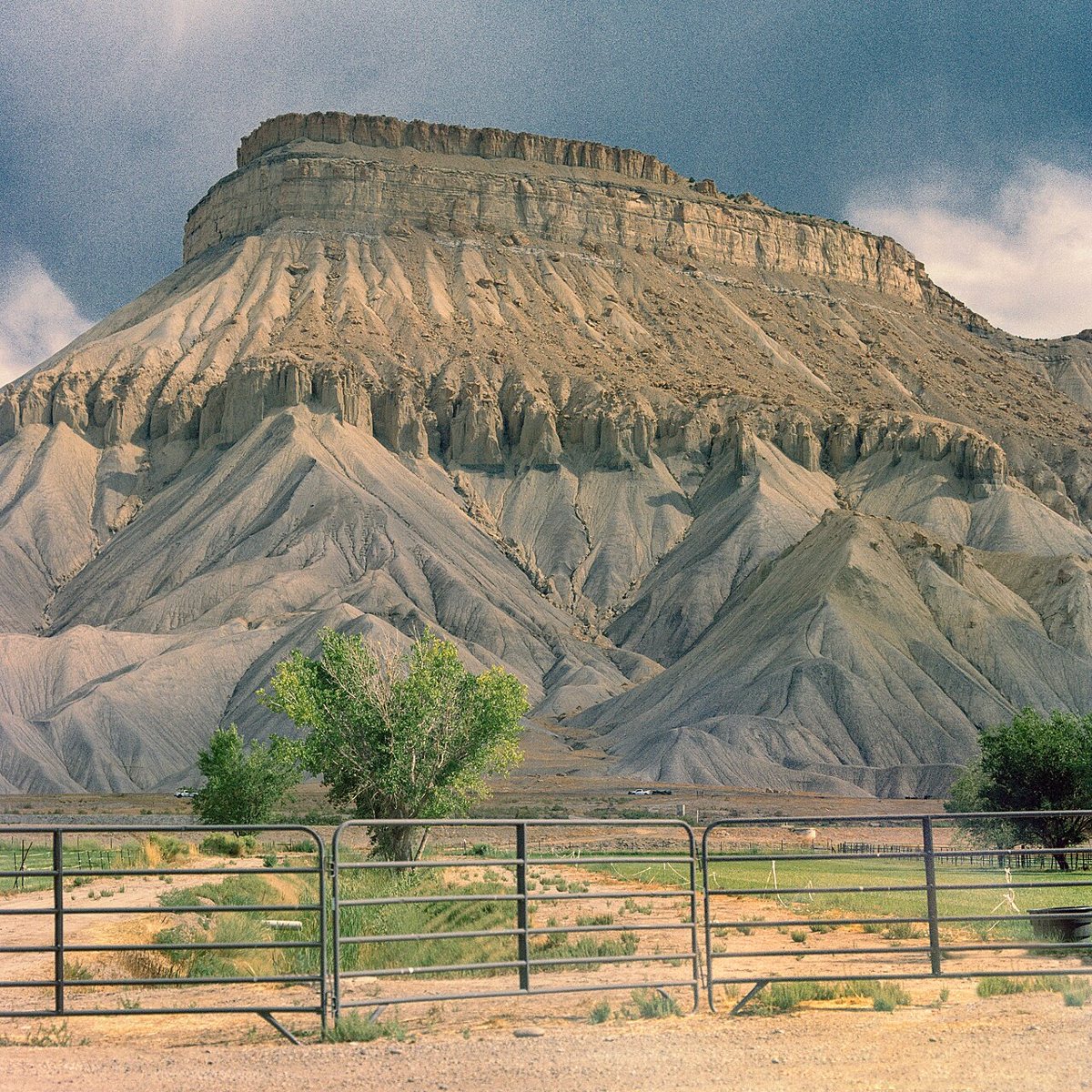
Palisade sits roughly three and a half hours west via I-70, further than a typical day trip but doable if you leave before sunrise and don't mind the drive back in the dark. It's Colorado's fruit belt, an improbable pocket of warm microclimate wedged between mesas that produces the peaches locals build entire August menus around. Wine tasting rooms line the small downtown, and roadside stands sell fruit by the box in season. It's a stretch for a single day, but for a serious foodie detour or a summer peach run, it earns the miles.

Getting Around and Timing It Right
Most of these trips work fine in a regular car; you don't need four-wheel drive for Georgetown, Golden, or Garden of the Gods, though winter trips into the higher country call for good tires and a look at the mountain corridor traffic reports before leaving. I-70 westbound backs up badly on weekend mornings in ski season and again on Sunday afternoons coming back; locals either leave absurdly early or wait out the crowd with a second cup of coffee. Summer afternoons bring thunderstorms to anything above treeline, so plan high-elevation stops for morning. Many of the best stops cost nothing at all: Garden of the Gods is free, Red Rocks trails are free outside of ticketed events, and wandering downtown Golden or Georgetown costs only what you choose to spend on lunch. If you're stacking a trip with other Denver plans, a lot of visitors will fold in a Denver brewery stop on the way out of town or a nearby hike the morning before heading home.
What Makes the Best Day Trips From Denver Worth It
What actually distinguishes Denver isn't any single trip on this list, it's the fact that a resident can credibly ask "mountains or plains this weekend" and mean it as a real choice with real, different rewards. People who move here for the ski access eventually figure out the deeper appeal is the range of it: alpine tundra one Saturday, red sandstone the next, empty prairie the one after that, all inside a couple hours of the same driveway. Pick a direction you haven't gone in a while and go.