Best Things to Do in Denver You Shouldn't Miss
From the Great Hall at Union Station to the sandstone benches at Red Rocks, a local's honest lap through the city that keeps getting called a gateway and never asked to be one.
Six-forty on a Tuesday in October, and the trailhead lot at Wash Park is already half full. Runners loop the water in fleece vests while a guy in scrubs power-walks a lap before his shift starts. To the west, the Front Range catches the first orange light like someone flipped a switch on the whole mountain range at once. Nobody here is dressed for a ski trip. They're dressed for a lunch break at 5,280 feet, in a city that treats being outside as a civic duty. That's Denver, and it's why the best things to do in Denver mix mountain-adjacent good luck with a downtown, a museum row, and a handful of neighborhoods that earned their own reputations long before anyone outside Colorado noticed.
What follows isn't a checklist built for a layover. It's organized the way a local would actually move through the city: downtown first, then the park that anchors two major institutions, then the neighborhoods worth walking on purpose, then the green space that makes Denver feel smaller and friendlier than its population suggests, and finally the one attraction everyone's heard of, addressed on its own terms. Along the way you'll pass through Capitol Hill's bohemian pocket of old mansions and coffee shops, the brunch corridor threading through Highland and LoHi, and Five Points, the neighborhood that anchored Denver's Black cultural life for generations and still carries that history in its jazz clubs and murals. None of these get a stand-alone section here, but they shape the streets between the stops that do.
Best Things to Do in Denver Start Downtown and in LoDo
Lower downtown, LoDo to everyone who lives here, is where Denver's brick warehouses got converted into lofts and taprooms decades before RiNo copied the formula a few blocks northeast. It's flat, walkable, and stitched together by the free 16th Street corridor, which makes it the natural starting point before you fan out toward the parks and neighborhoods. Most first-time visitors spend more time here than anywhere else on this list, and that's not a bad instinct, since three of the city's most reliable stops sit within a fifteen-minute walk of each other.
Union Station
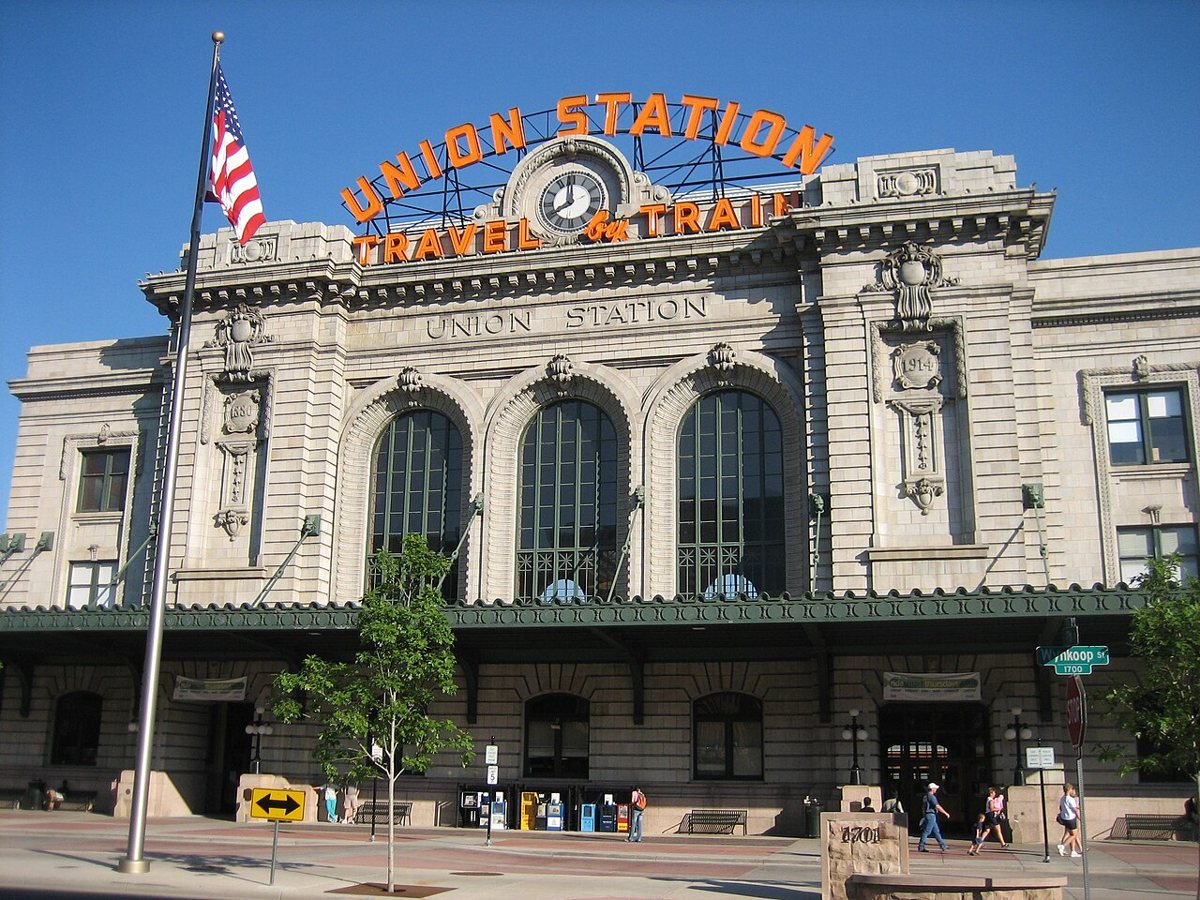
The restored 1914 train depot anchors the west end of downtown in LoDo, and the Great Hall inside is one of the few genuinely free indoor public spaces in the city that doesn't feel like an afterthought. High ceilings, communal tables, a boutique hotel tucked upstairs, and a row of small food and coffee counters make it worth ducking into even if you have nowhere to be. Grab a coffee, sit at one of the long tables, and watch the mix of commuters catching the light rail to the airport and travelers checking into the hotel. On weekend mornings the tables fill with locals reading actual newspapers, which says something about the pace this building was built to accommodate. Come in the early evening, when the neon sign out front lights up and the crowd thins from its midday rush.

Larimer Square
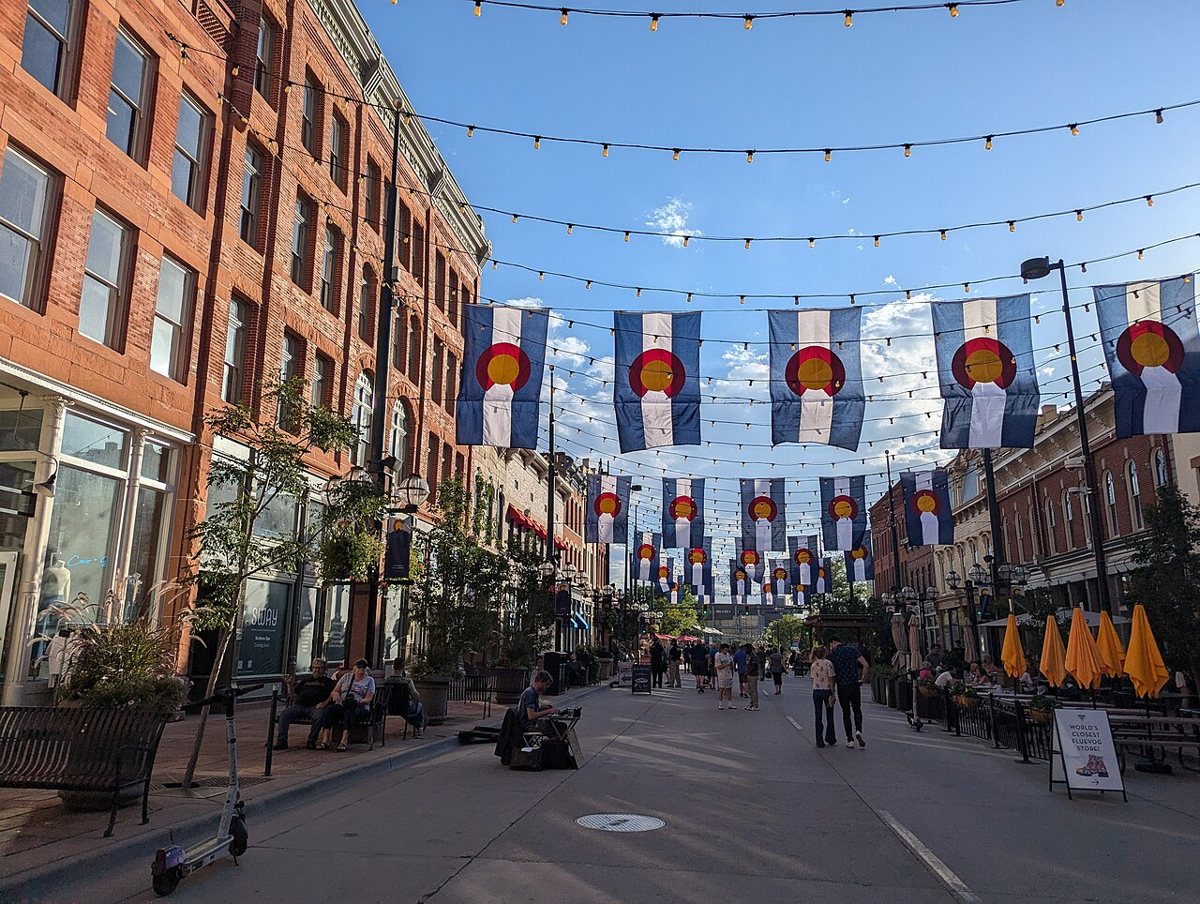
This one block of gas-lamp-lit Victorian storefronts is technically Denver's oldest commercial block, and it still functions like one, with restaurants and small boutiques lining patios strung under lights year-round. It sits in LoDo, a short walk from Union Station, compact by design and meant for an evening stroll rather than an afternoon itinerary. Walk the block slowly, eat outside if the weather allows, and duck into whichever storefront looks interesting rather than following a plan. If you want a sense of what locals eat here, look for a counter serving a bowl of green chile rather than the tourist-facing Denver omelette down the street, and know that red or Christmas style both have their defenders in this city. Locals come at dusk, after the office crowd has cleared out but before the dinner rush peaks.

Coors Field and a Rockies Game
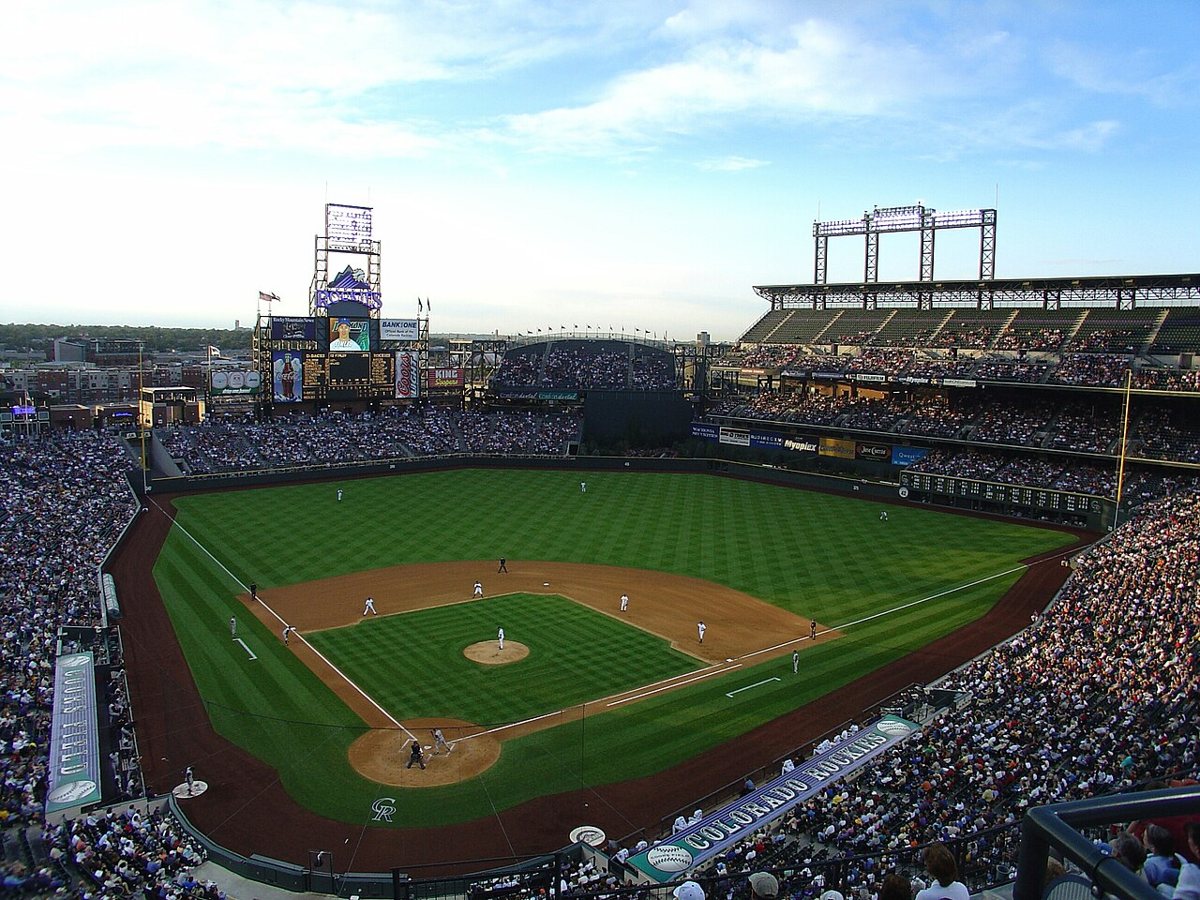
The Colorado Rockies play in a brick ballpark that fits into the LoDo streetscape rather than looming over it, and the row of purple seats in the upper deck marks the exact point one mile above sea level, a detail that only makes sense once you've seen it in person. The elevation isn't just trivia here, either, since thinner air is part of why the ball carries differently than it does at sea-level parks, something Rockies fans will explain to you unprompted. Catch a game if the schedule lines up with your visit, or just walk the perimeter on an off day to see the brickwork and the plaza in this stretch of LoDo. Regulars know that upper-deck tickets run cheaper and put the mountains behind the outfield in your sightline all game long.

City Park and Denver's Museum Row
Head east from downtown and the city opens up into City Park, Denver's largest, and the neighborhood around it does double duty as museum row. Two of the city's biggest draws sit inside the park boundary, which makes this section walkable in a single outing if you're willing to spend most of a day here. Pace yourself, because between the park itself and its two anchor institutions, it's easy to burn an entire afternoon without realizing it.
City Park
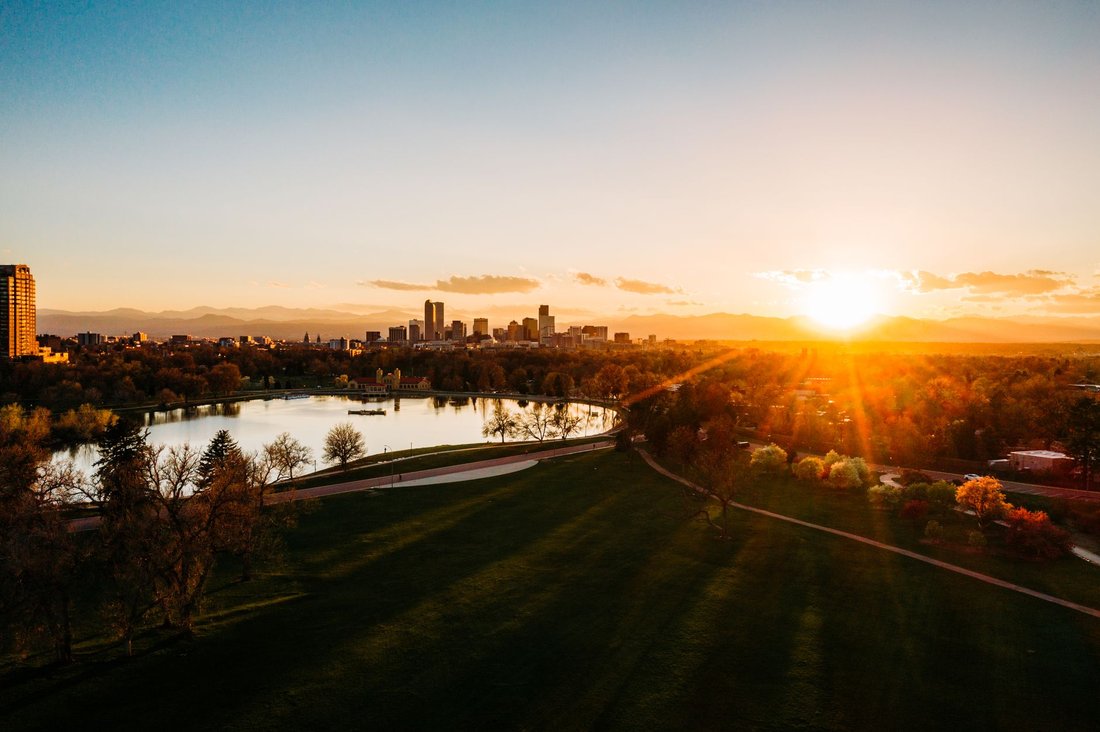
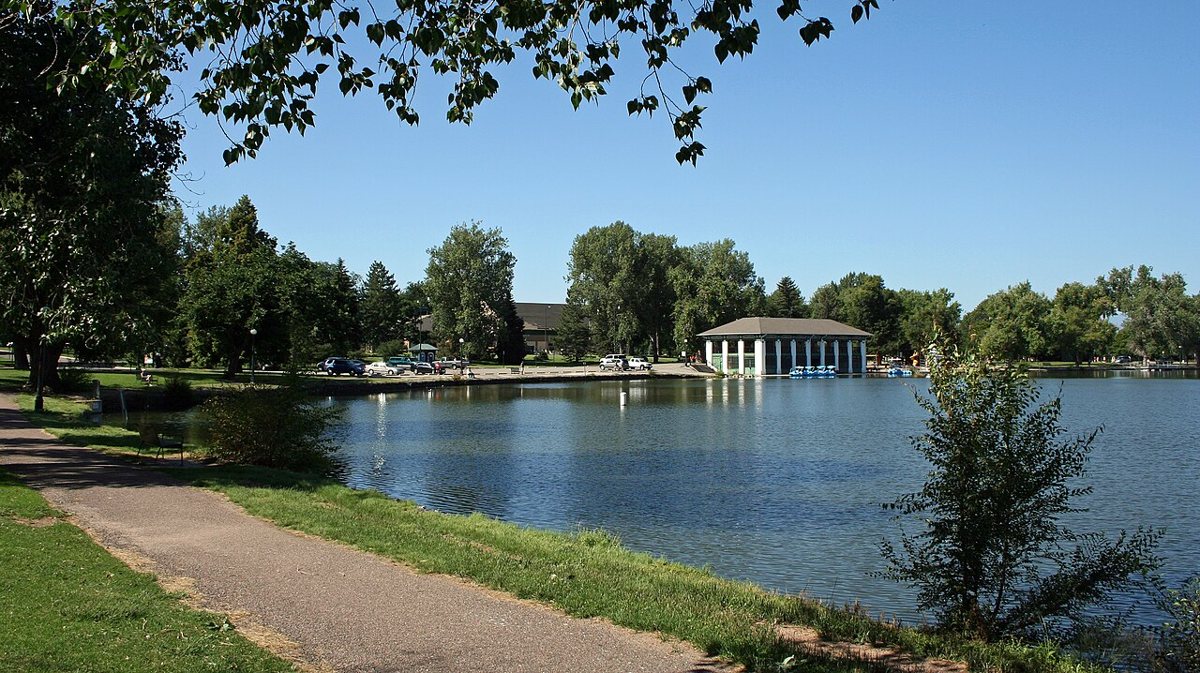
Established in the late 1800s, City Park sits east of downtown, bordering City Park West and Congress Park, and it's big enough to hold a lake and a golf course, with a running loop threading between them without feeling crowded. Its east-west axis lines up the downtown skyline against the mountains in one frame, a view locals still stop to photograph even after years of walking past it. Take the perimeter path on foot or by bike, rent a paddle boat on Ferril Lake when it's open for the season, or just find a bench near the pavilion. Families tend to cluster near the playgrounds on the park's west side, while the east side stays quieter and better for a slow walk. Skip the crowds near the entrance and head behind the band shell about an hour before sunset, when the skyline and the peaks line up together without a single power line in the shot.

Denver Museum of Nature and Science
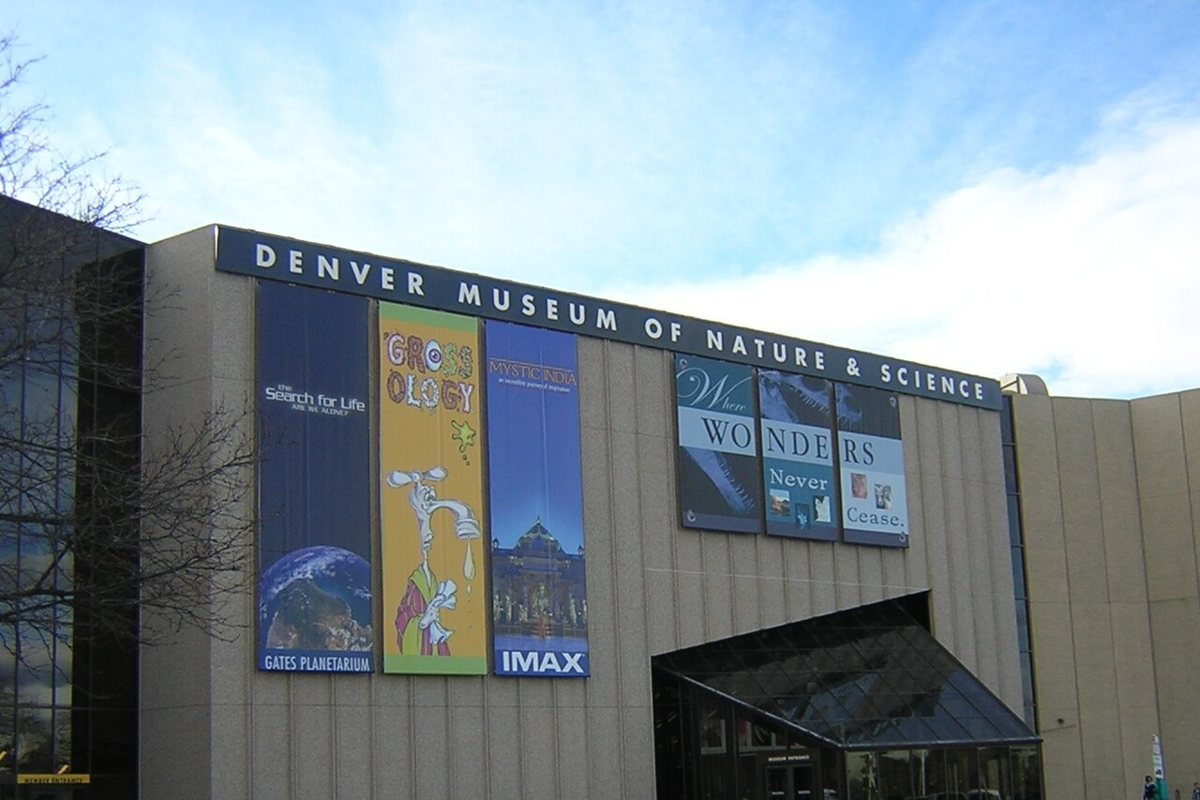
This is the anchor institution on City Park's east side, with a fossil collection deep enough to hold your attention for hours, a planetarium, an IMAX theater, and wildlife dioramas built with more craft than the format usually gets credit for. Budget a few hours minimum, and check current showtimes for the planetarium before you plan the rest of your visit around it. The gem and mineral hall tends to get overlooked in favor of the dinosaurs, but it's worth ten minutes on its own. Weekday mornings outside of school field trip season run close to empty, and the wildlife dioramas on the upper floors get skipped by most visitors headed straight for the dinosaurs.

Denver Zoo
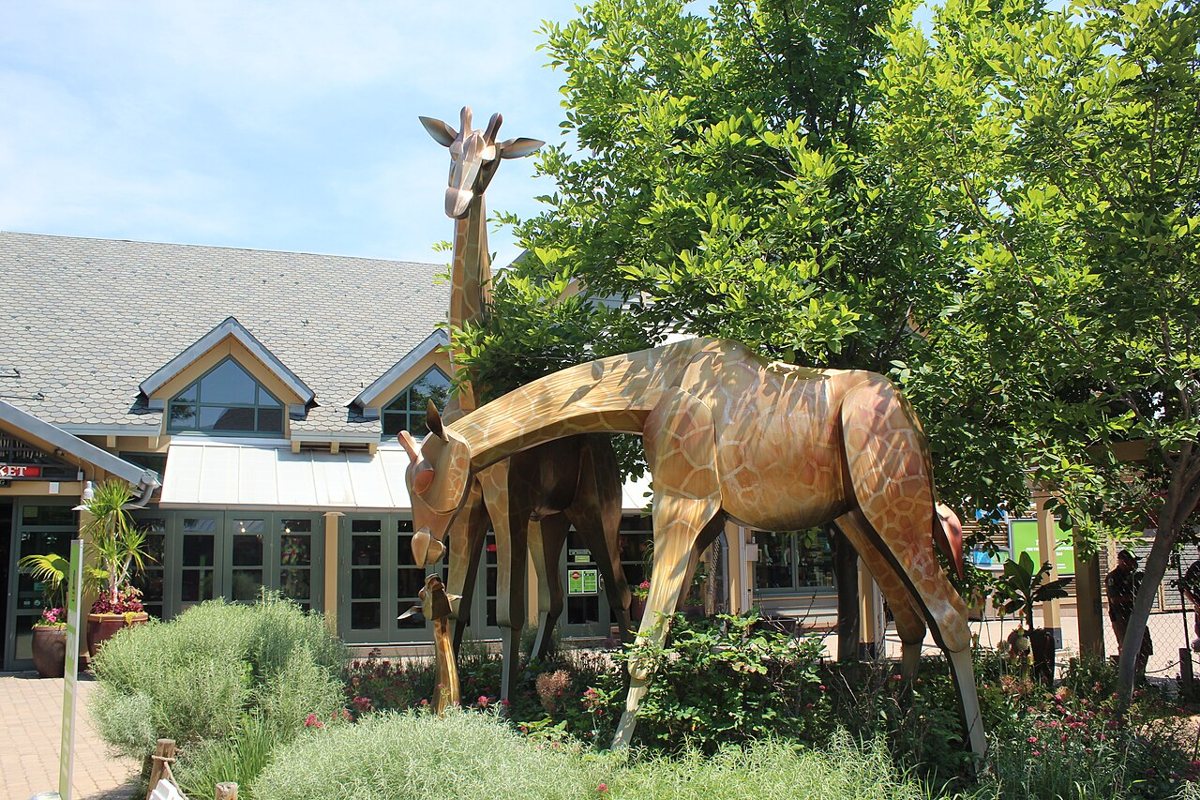
Sharing City Park with the science museum, the Denver Zoo has built a reputation on conservation work as much as exhibits, with an elephant herd and a predator-focused habitat. A walk-through aviary puts you at eye level with birds most visitors have never seen outside a screen. Arrive close to opening when the animals are most active, and plan for a half day if you want to see the whole grounds without rushing. Bring water and expect a fair amount of walking, since the grounds stretch further than they look from the entrance. Few visitors linger at the toucan exhibit near the entrance, which makes it usually the quietest corner of the zoo.

Civic Center Culture
South of downtown, near the gold-domed State Capitol, Civic Center Park anchors a smaller but no less serious cluster of institutions, and the park itself hosts food trucks and events through the warmer months.
Denver Art Museum
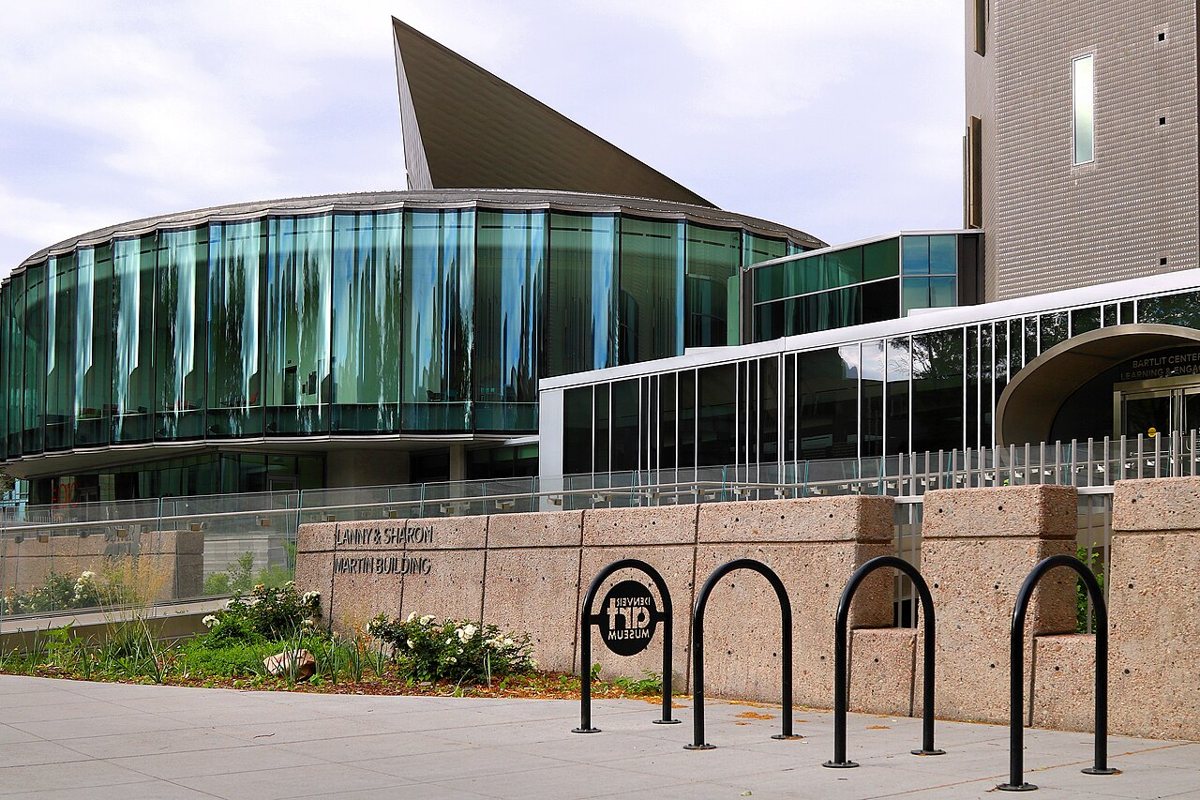
The building itself, an angular titanium addition designed by Daniel Libeskind, anchors Civic Center and is worth the walk before you even step inside, and the collection backs it up with one of the deeper holdings of Native American art in the country alongside rotating major exhibitions. Start on the upper floors and work your way down, and check what's currently showing before you go since the special exhibitions rotate. Give yourself at least two hours if a major traveling show is up, since the lines inside can slow the pace even when the building outside looks quiet. Photographers get the sharpest angles of the exterior from the west side near the parking structure in late afternoon light, when the shadows carve the building into distinct planes.

RiNo and the River
A few blocks northeast of Union Station, a stretch of old warehouses has been turned into galleries and breweries, with some of the most photographed mural walls in the city covering whatever's left of the brick. The transformation happened fast enough that longtime residents still call it by its old freight-yard name half the time out of habit.
RiNo Art District
River North, RiNo for short, sits northeast of downtown and took Denver's industrial leftovers, covering nearly every available wall with murals before filling the ground floors with taprooms and gallery spaces. It functions as an open-air art walk that happens to double as the city's brewery scene concentrated into a few walkable blocks, and Denver takes its breweries-per-capita bragging rights seriously enough that this isn't an exaggeration. Wander on foot without a fixed route, follow the alleys as much as the main streets, and stop into a taproom when you find one that looks right. Aim for a weekday afternoon if you want photos of the murals without foot traffic in every frame, and save the crowded First Friday gallery walks for when you want the social energy instead.
Confluence Park
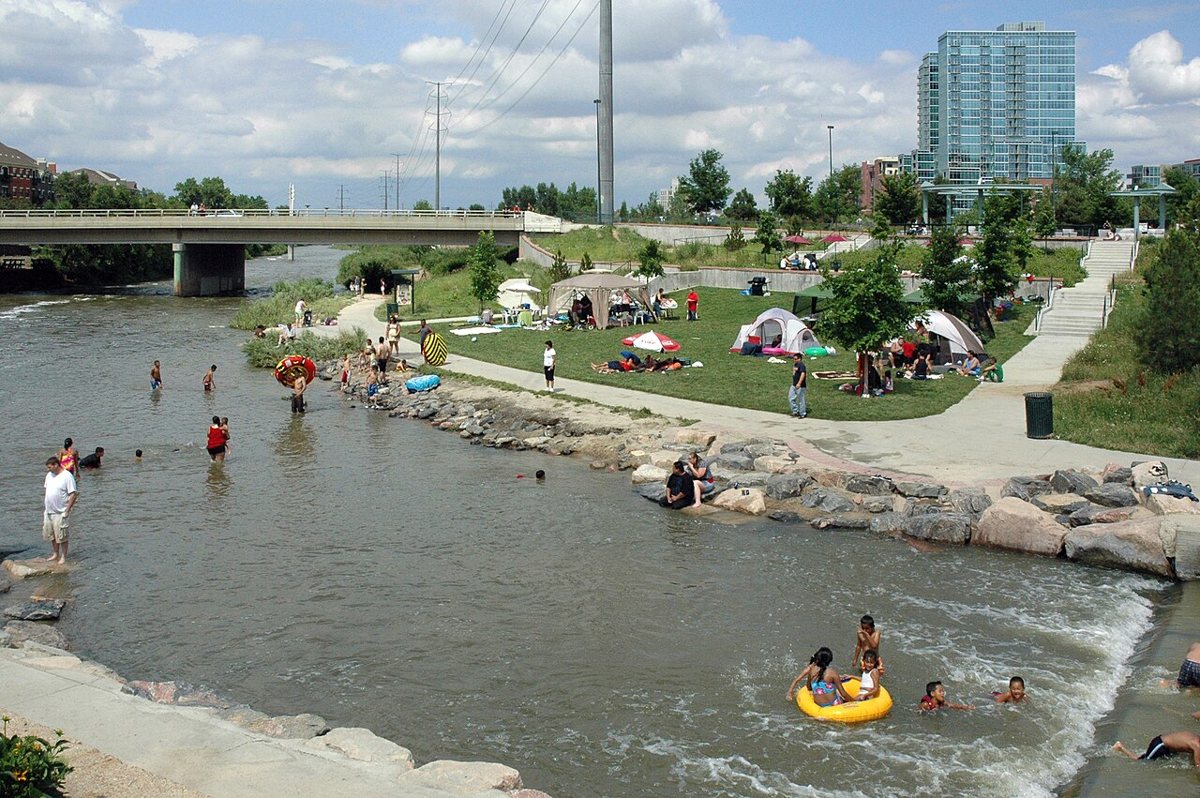
This is the literal spot where Cherry Creek meets the South Platte River, and it's also where Denver was founded, a fact that gets lost under the kayakers and tubers who use it as a put-in every summer. It sits right at the seam between LoDo and RiNo, so it works as a natural connector between the two, and the Platte River Trail running through it eventually links up with paths that reach far outside the city. Sit on the rocks and watch paddlers play in the man-made wave feature, or pick up the trail and keep walking in either direction. Early evening on a hot day is when the wave feature sees the most action, with local kayakers running the same line over and over to practice tricks.

Green Space With a Mountain View
Denver's park system does a lot of the heavy lifting for quality of life here, and two of them are worth building time around rather than squeezing in as an afterthought. Both sit south and east of downtown, close enough to Cherry Creek's upscale shopping strip to pair with an afternoon there if you want a change of pace.
Washington Park
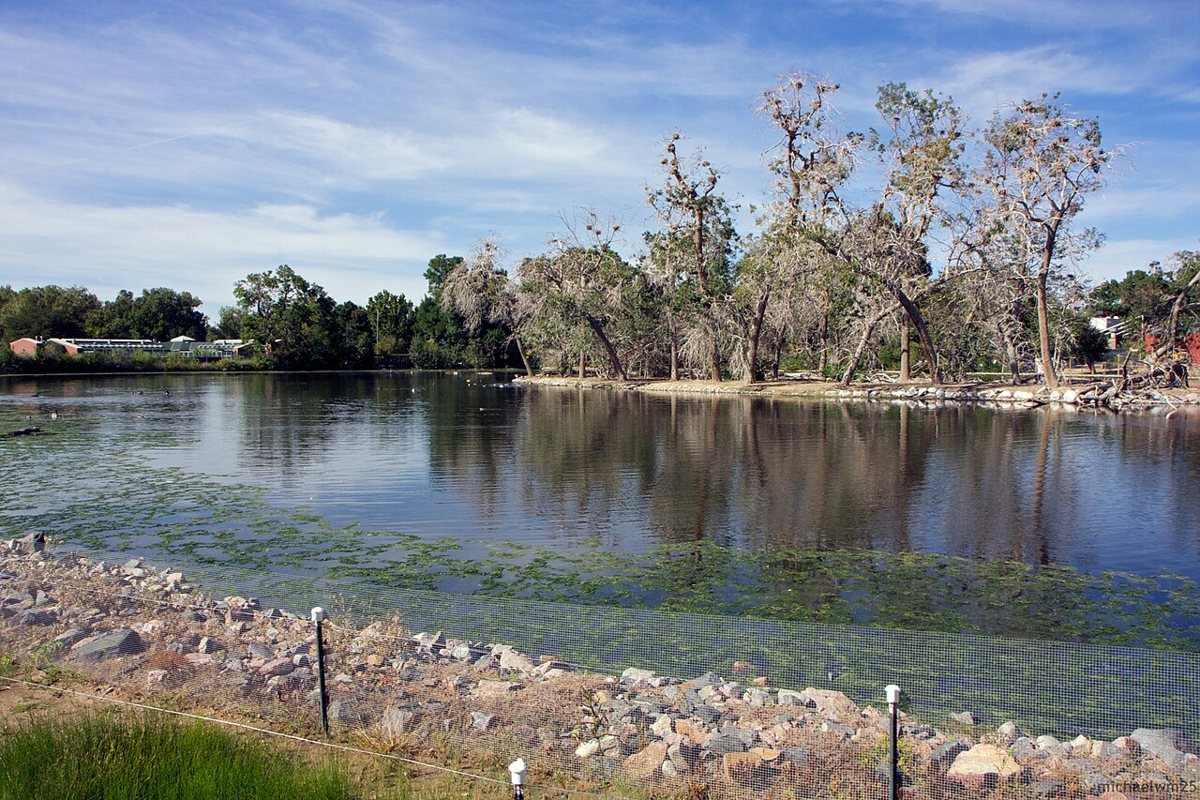
Wash Park, as it's called by anyone who's spent more than a week in Denver, sits in the Wash Park neighborhood south of downtown and has two lakes and formal flower gardens, wrapped by a perimeter loop that comes in at just under three miles, which makes it a genuine lunch-break run for people who work downtown and live nearby. Run or bike the loop, rent a paddle board on the lake when the season allows, or just picnic near the gardens. On warm weekends the grass fills with volleyball nets and blankets, and the energy leans more neighborhood cookout than tourist attraction, which is exactly the appeal. Two hours after work lets out is the loop's busiest stretch, so an early morning or midday pass gets you the same skyline views with a fraction of the foot traffic.

Denver Botanic Gardens
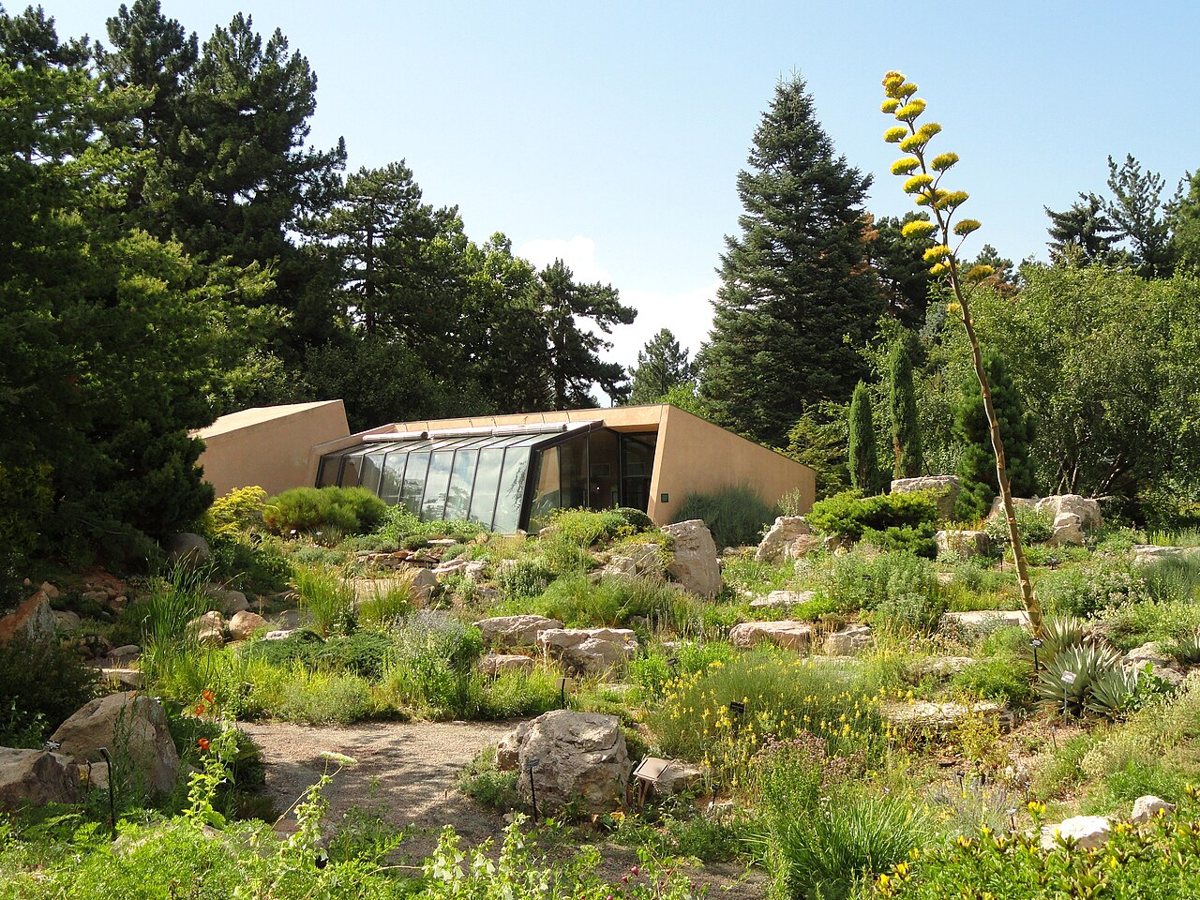
Tucked against the edge of Cherry Creek and Congress Park, the gardens hold an extensive plant collection and a dedicated Japanese garden. A summer concert series on the lawn draws a crowd who came for the music as much as the scenery. Tour the conservatory first, then work outward through the themed garden sections, and check the schedule if a concert lines up with your visit. The alpine and native plant sections are a quiet reminder of how much the surrounding landscape shapes what grows here, even inside a cultivated garden. Mornings midweek run close to empty, and the Japanese garden gets the best light of the day before ten a.m.

The Show Everyone Talks About
West of the city, past the last of the suburbs and well before anything resembling ski country, sits the one attraction most visitors already know by name. It's worth being precise about what it is and isn't, since outsiders tend to lump it in with the mountain towns two hours further west, and locals get genuinely irritated by that mix-up.
Red Rocks Amphitheatre
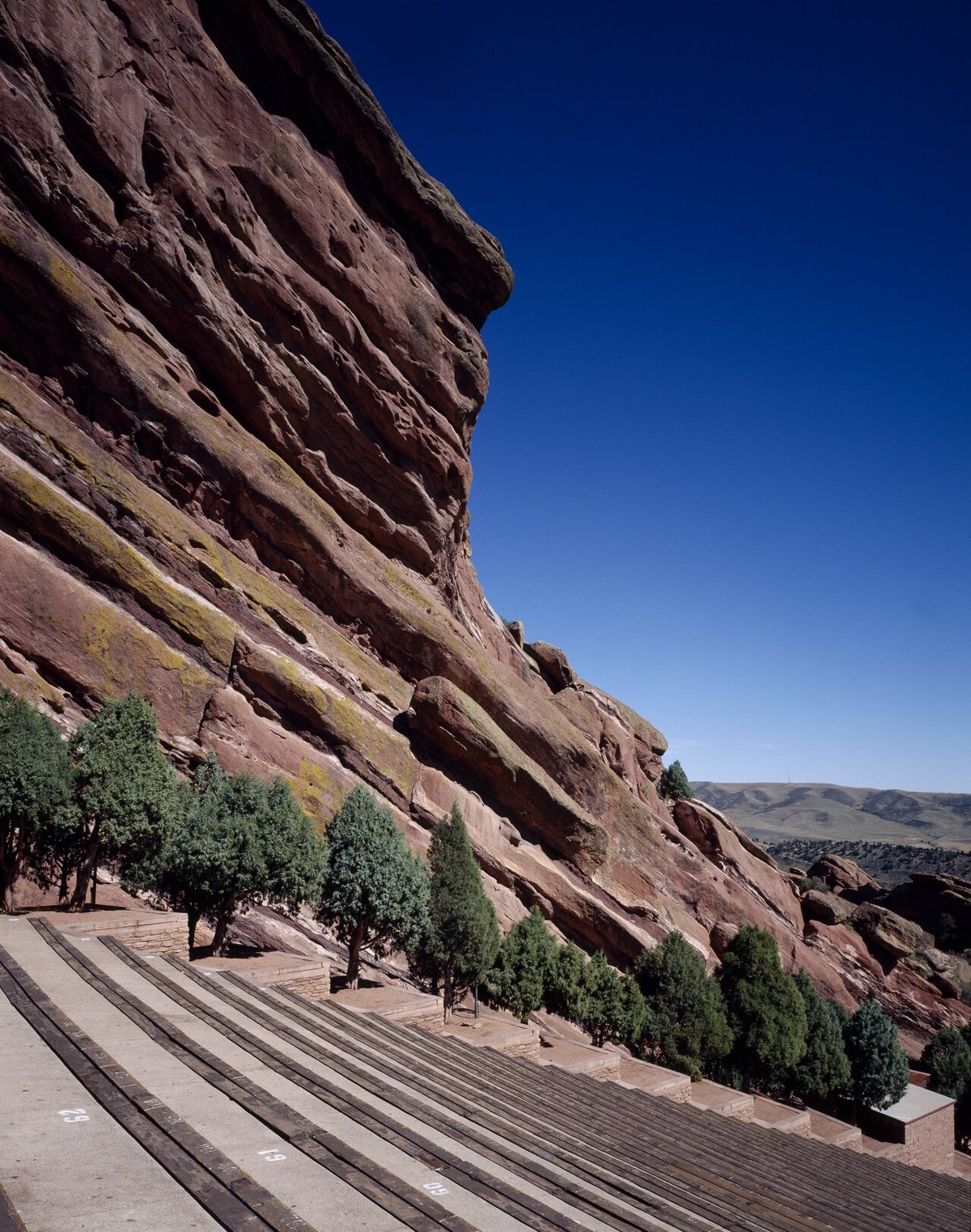
Two massive sandstone monoliths in Morrison, roughly twenty to thirty minutes from downtown by car, form a natural amphitheater with acoustics good enough that touring acts build entire tour stops around a single Red Rocks date. That drive time is worth noting, since Morrison has nothing to do with the actual mountain towns two hours further west. The venue is public land during the day, though, and locals use the stairs for a workout the same way anyone else uses a stadium staircase, free of charge and without a ticket in hand. Time a concert if the schedule cooperates, or show up in daylight hours to climb the stairs and take in the view over the plains toward downtown. The park surrounding the amphitheater also has hiking trails worth a look if you'd rather skip the stairs and still get the views. An early morning stair session is a genuine local habit, not a tourist workaround, and the visitor center side offers full views of the rock formations without needing a show ticket at all.
Getting Around, Timing Your Days, and What's Actually Free
Getting around
- Downtown, LoDo, and RiNo are close enough to cover on foot or by light rail, so a car mostly matters for reaching City Park, Wash Park, the Botanic Gardens, or Red Rocks.
- Light rail connects Union Station to the airport directly, which makes it an easy first and last stop on either end of a trip.
- Parking in LoDo and RiNo fills up fast on weekend evenings, so arriving earlier in the day or using transit saves time you'd otherwise spend circling blocks.
- Biking works well across most of the flatter neighborhoods, and bike-share stations are common enough downtown and around the parks to make a rental worth considering.
Timing it right
- Summer brings long daylight and the fullest calendar of outdoor events, but also the biggest crowds at Red Rocks and the parks.
- Shoulder seasons, spring and fall, tend to be quieter with mild weather still good enough for walking every neighborhood on this list.
- Winter days are shorter and colder but rarely miserable by altitude standards, and museum visits pair well with the season.
- Always check current hours before heading to a museum, garden, or venue, since schedules shift by season.
What's free
- City Park, Washington Park, and Confluence Park cost nothing to walk, run, or picnic in.
- The Great Hall at Union Station is open and free to sit in even if you're not catching a train.
- The murals throughout RiNo function as an open-air gallery with no admission at all.
- Red Rocks is usually free to visit during daylight hours outside of ticketed events, including the stair workout locals treat as routine.
- Civic Center Park and the walk around the State Capitol grounds cost nothing and take less than an hour.
None of this adds up to Denver being a warm-up act for somewhere else. The mountains are visible from half the spots on this list, which is exactly the point: they're a backdrop here, not the destination, and the gap between the two matters more than outsiders usually give it credit for. A day that starts with coffee in the Great Hall, moves through a museum, and ends with a run around a lake at altitude isn't a consolation prize for missing a lift ticket. It's a specific kind of city life that happens to have better light and thinner air than most, and it doesn't need a chairlift to prove it. Ask a local what they did last weekend and there's a decent chance the answer involves three or four of these places strung together into one ordinary Saturday, not a bucket list checked off once and never revisited.