Spring Things to Do in Denver You Shouldn't Miss
Snow one day, patio weather the next. Here's how Denver actually spends the weeks between the last freeze and the first real green.
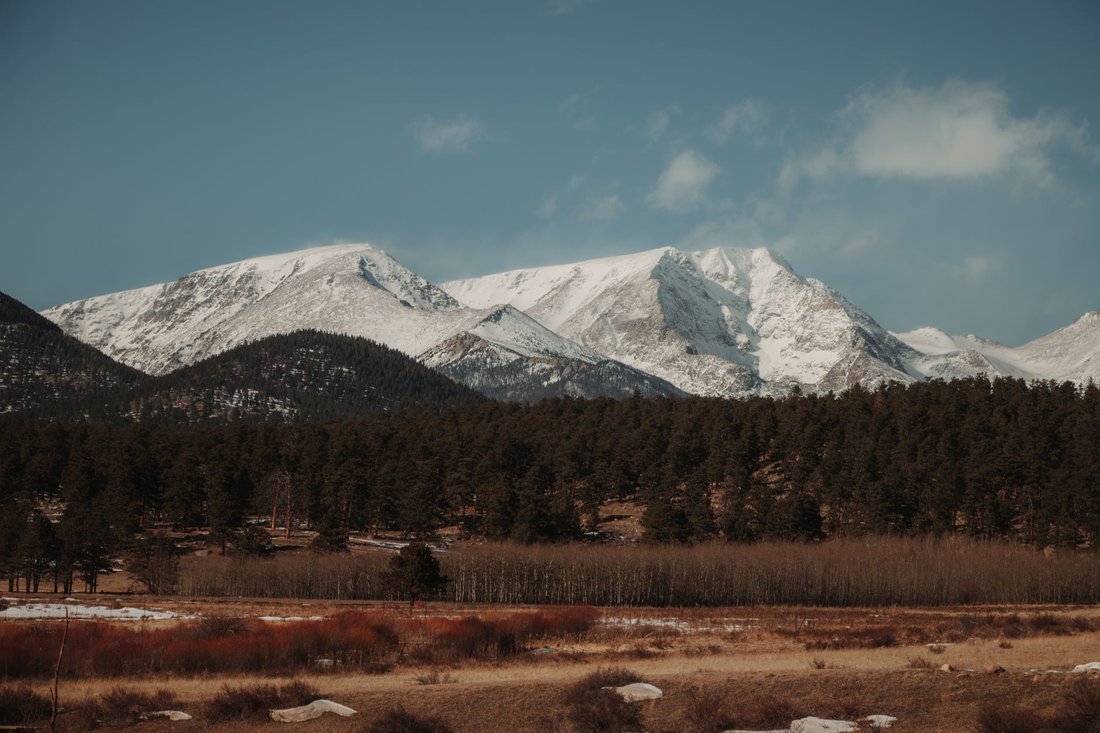
The first Saturday it hits 68 degrees in March, Sloan's Lake fills with people who were shoveling a driveway four days earlier. Paddleboards come out of garages. Someone's grilling brats in a parking lot at Empower Field before a soccer match. By Tuesday it's snowing sideways again, and nobody who's lived here more than a winter bats an eye. That whiplash is the whole story of spring things to do in denver: the city doesn't wait for consistent weather to start living outside, it just adapts hour to hour, and the people who get the most out of the season are the ones who keep a fleece and a pair of sunglasses in the car at all times.
This is a guide built for that swing season, the one locals quietly love more than summer because the crowds haven't arrived yet, the trails are still muddy-green instead of dust-brown, and the whole city seems to exhale after a long winter. Here's where to go, month by month and mood by mood, from the first trailhead of the season to opening day at Coors Field.
Getting Outside While the Snow Still Melts
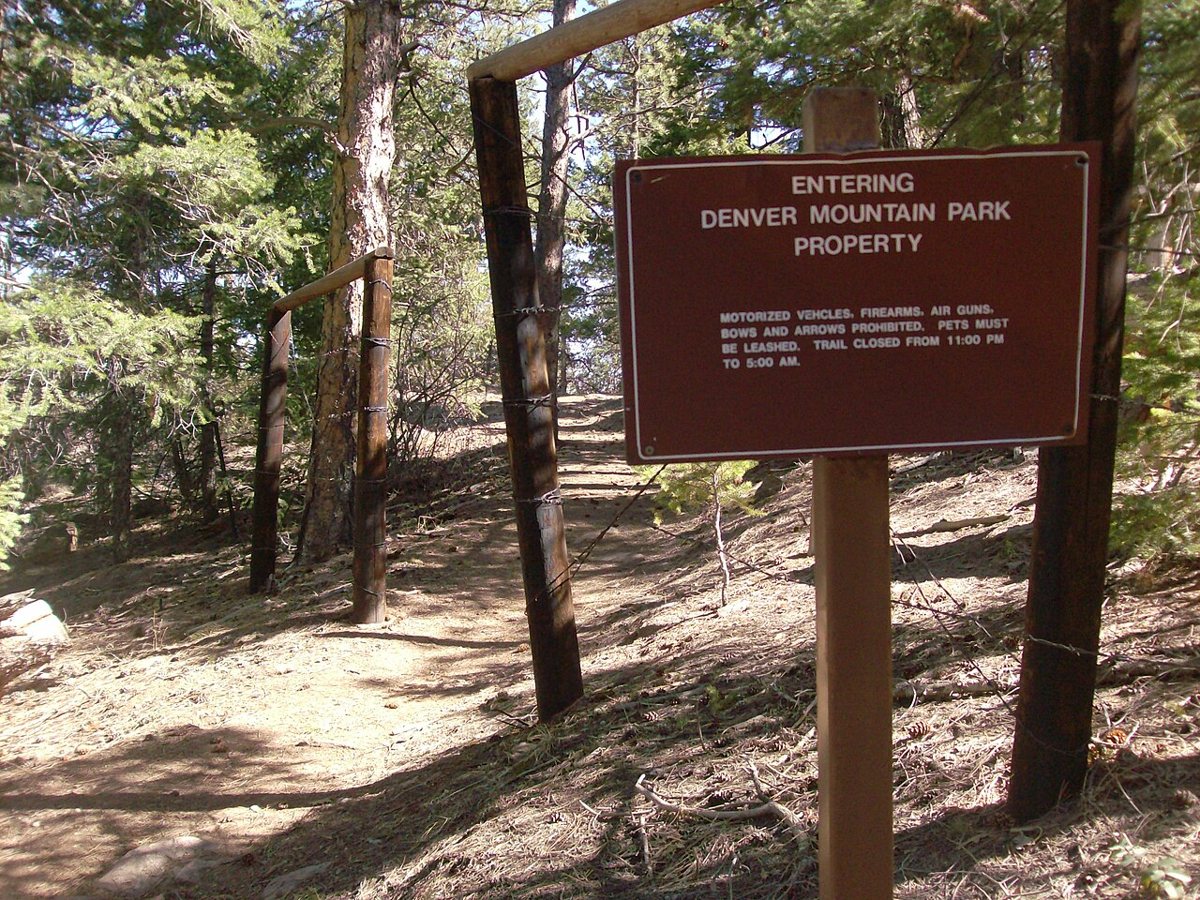
Spring in Denver is a math problem: elevation plus sun angle plus whatever storm rolled through Tuesday. The trick locals know is to chase the front range foothills before the high country, since anything above 9,000 feet holds snow into May or later.
City Park
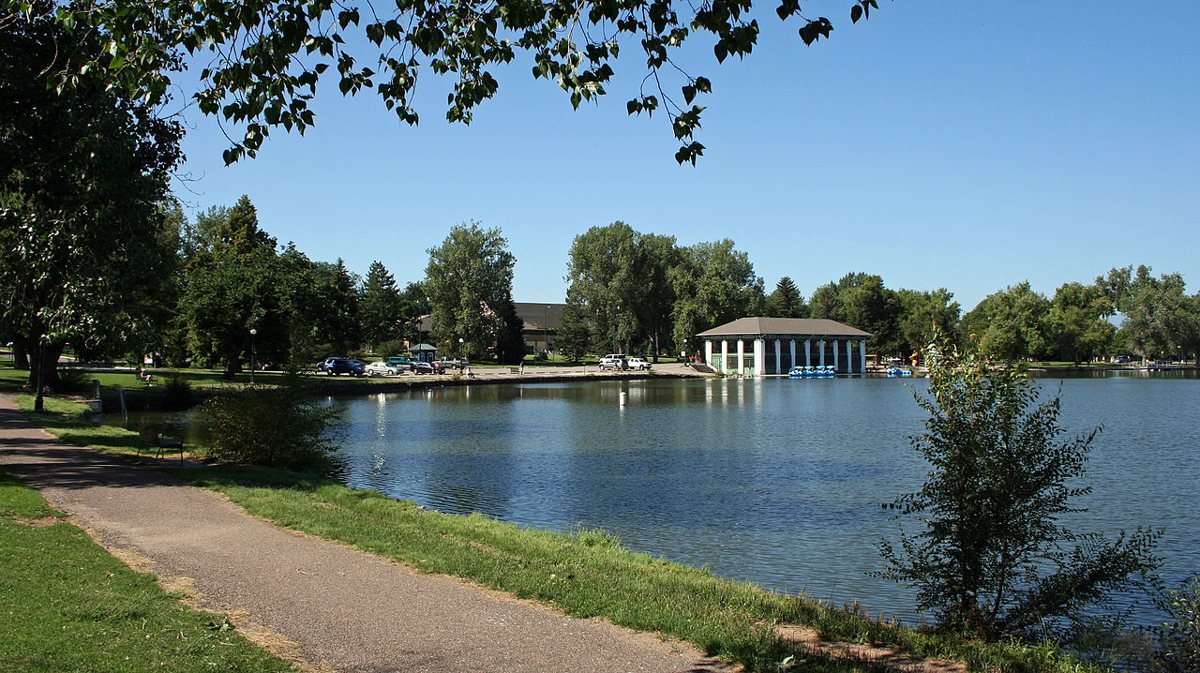
City Park is where Denver goes to confirm spring actually arrived. The magnolias and crabapples along the paths near the Denver Museum of Nature & Science start blooming in April, joggers reclaim the loop around Ferril Lake, and the golf course reopens for people itching to get a club in their hands again. It's flat and easy, unglamorous even, which is exactly why it works this time of year when steeper trails are still a mud pit. Bring a frisbee, rent a paddleboat once the lake thaws, and take the long way past the museum to see who's lined up for the latest exhibit. Get there before 9 a.m. on a weekend and you'll have the lake loop mostly to runners and dog walkers instead of picnic crowds. It sits in east-central Denver, right around City Park.

Washington Park
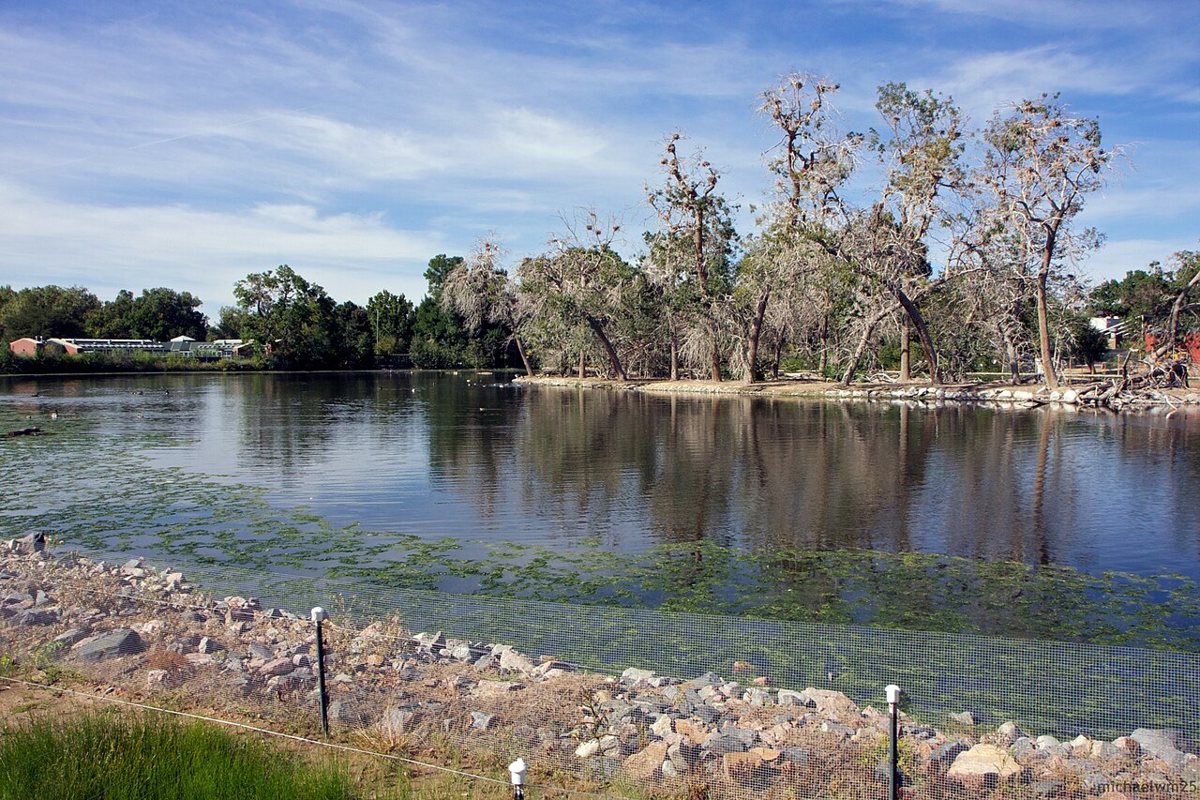
Wash Park is the neighborhood flex of Denver spring. The flower beds around Smith Lake get replanted early, the tennis courts fill up the second temperatures clear 55 degrees, and the 2.6-mile perimeter path becomes a rolling parade of runners training for spring races, new dogs on new leashes, and people who clearly bought a rec league jersey specifically to wear to the park. It's less about a single attraction and more about watching a neighborhood come back to life outdoors after a winter spent inside. Worth knowing: the east side near the lake gets sun first in the morning and stays shaded and cooler by afternoon, useful information once the season tips toward 80-degree days in May. It's in the Washington Park neighborhood, south-central Denver.

Cheesman Park and the Denver Botanic Gardens
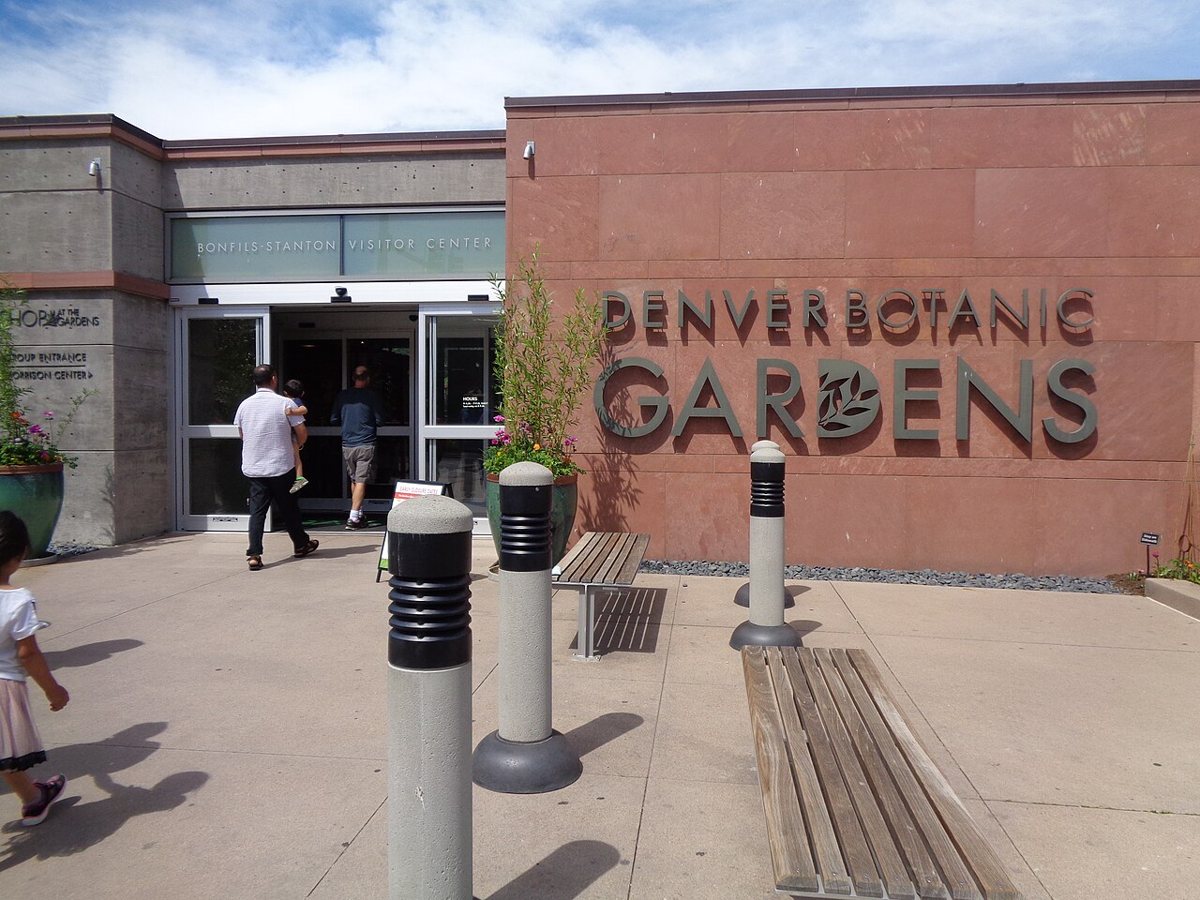
Cheesman Park's cherry and crabapple trees put on one of the city's better unofficial spring shows, usually peaking in April with the downtown skyline as a backdrop from the pavilion steps. A short walk away, the Denver Botanic Gardens spends spring waking up its beds one section at a time, from early bulbs to the Japanese garden's slow unfurl, and it's a genuinely different visit in April than it is in July. Go in spring specifically because the gardens are less packed, the light is softer for photos, and the plant list changes almost weekly. Check current hours before you go, since spring hours can differ from peak summer scheduling, and weekday mornings are far quieter than weekend afternoons. You'll find both in the Cheesman Park / Congress Park area, east Denver.

Confluence Park and the Cherry Creek Trail
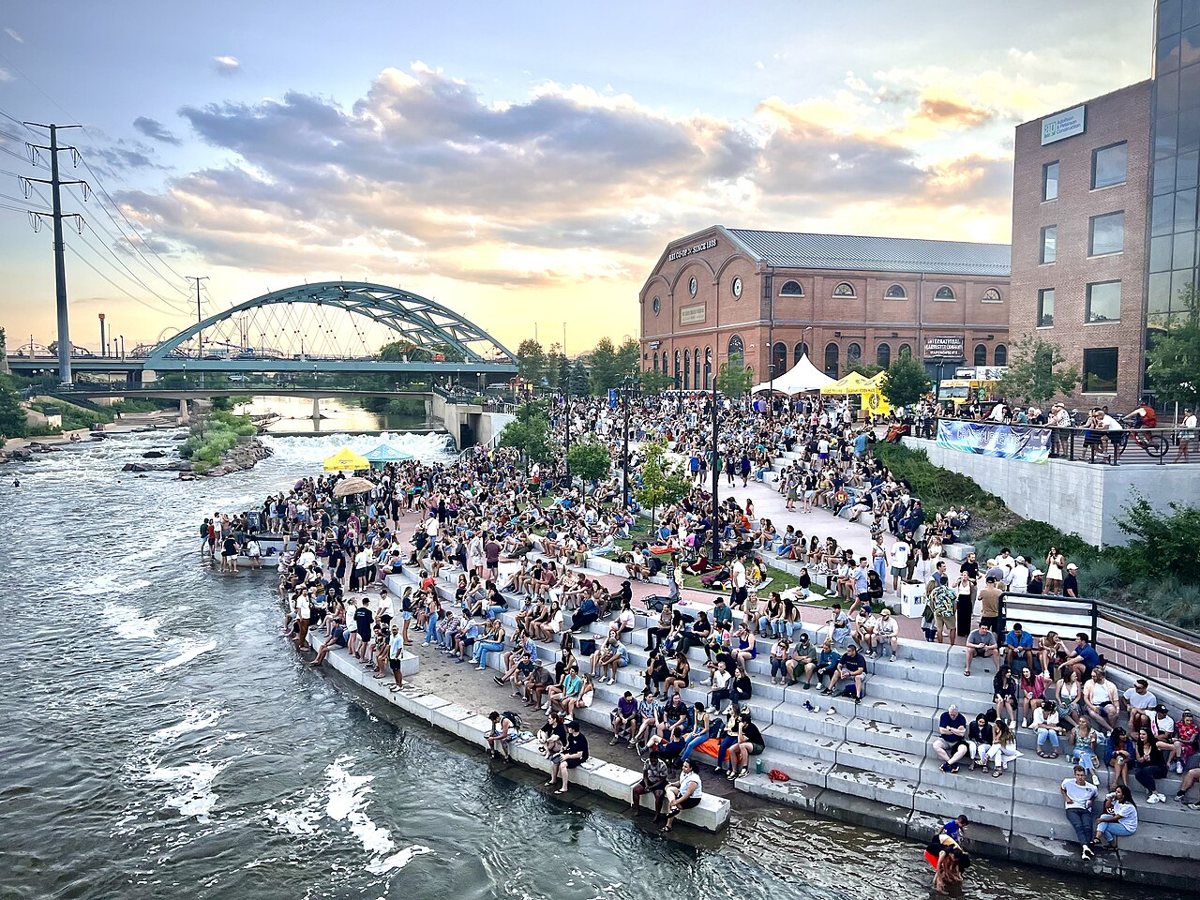
Once the South Platte's snowmelt surge starts, Confluence Park becomes the place to watch the river actually do something. Kayakers and paddlers use the whitewater feature as soon as flows pick up, while everyone else just leans on the railing and watches. It connects directly to the Cherry Creek Trail, which in spring turns into the city's default cardio route as soon as the ice clears, stretching from downtown out toward Cherry Creek and beyond. It's flat, paved, shaded in patches, and one of the few places in Denver where you can bike for miles without hitting a stoplight. Worth knowing: snowmelt run-off means the river is colder and faster than it looks in spring, so it's better viewing than swimming until well into summer. You'll find both on the edge of downtown, in LoDo.

Red Rocks Amphitheatre
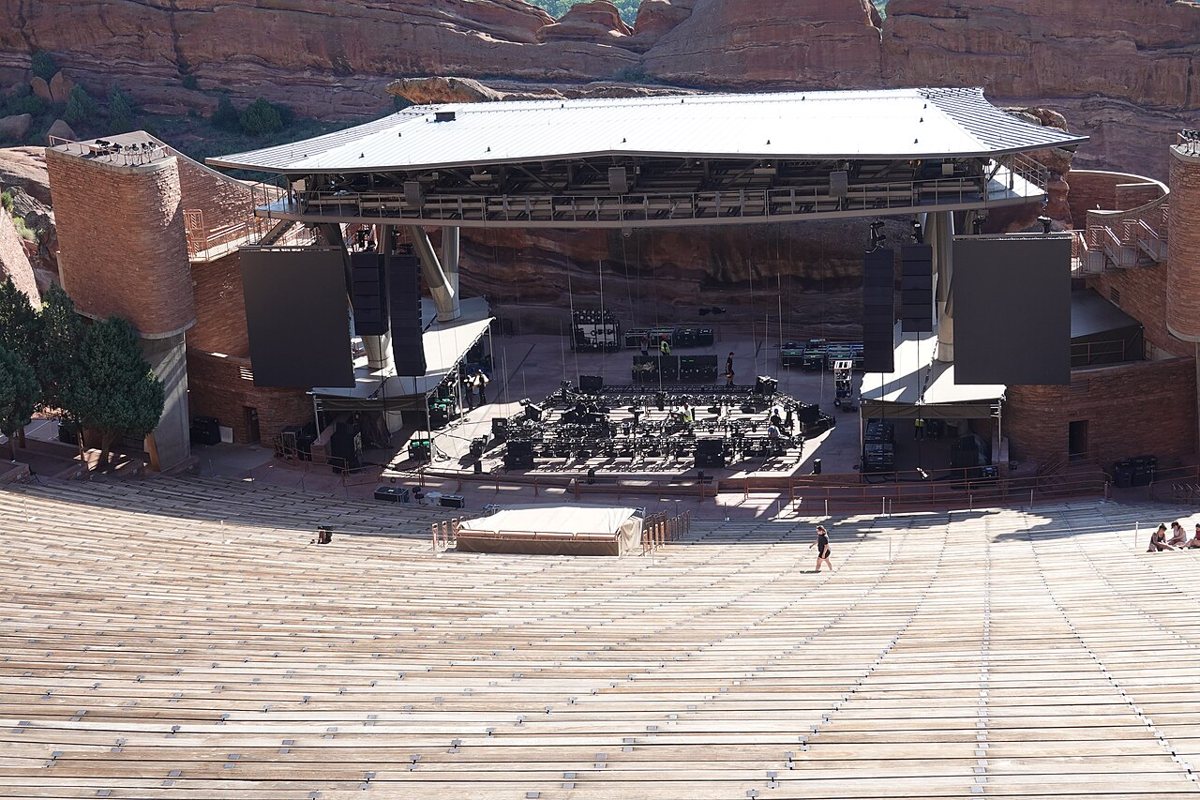
Long before the concert season revs up, Red Rocks in spring belongs to hikers and stair-climbers. The Trading Post Trail loops right through the sandstone formations with fewer people and cooler temperatures than summer, and the amphitheatre's public stairs are open for anyone who wants a legitimately brutal workout with a mountain view as a reward. Concerts typically start filling the calendar as spring turns to summer, so late spring is often the last stretch to visit for the geology and the quiet rather than a headlining act. Time it right: mornings here can still be near-freezing in March even when downtown Denver is comfortable, so dress in layers and check conditions before you drive out. It's in Morrison, about 20 minutes west of downtown.

Spring Things to Do in Denver: Patios, Breweries, and Brunch
The day Denver's patios reopen for the season is a bigger cultural event than most holidays. Restaurants that spent winter with heat lamps and plastic sheeting suddenly throw the walls open, and entire neighborhoods reorganize themselves around outdoor seating.
Highland and LoHi Patios
The Highland and LoHi corridor along 32nd Avenue is ground zero for Denver's brunch-and-patio culture, and spring is when it fully reopens. Rooftop bars with downtown skyline views start filling up on the first genuinely warm Saturday of the year, and the sidewalk cafes along Tennyson and 32nd turn into an all-day scene of mimosas, breakfast burritos loaded with green chile, and dogs tied to patio railings. It's worth timing a visit for early spring specifically because reservations are still easy to get before the summer rush locks tables up weeks out. LoHi's rooftop spots fill up fast once it's warm, so an early lunch beats a late dinner if you actually want a table with a view. It sits in Highland/LoHi, northwest of downtown.
RiNo's Warehouse Breweries
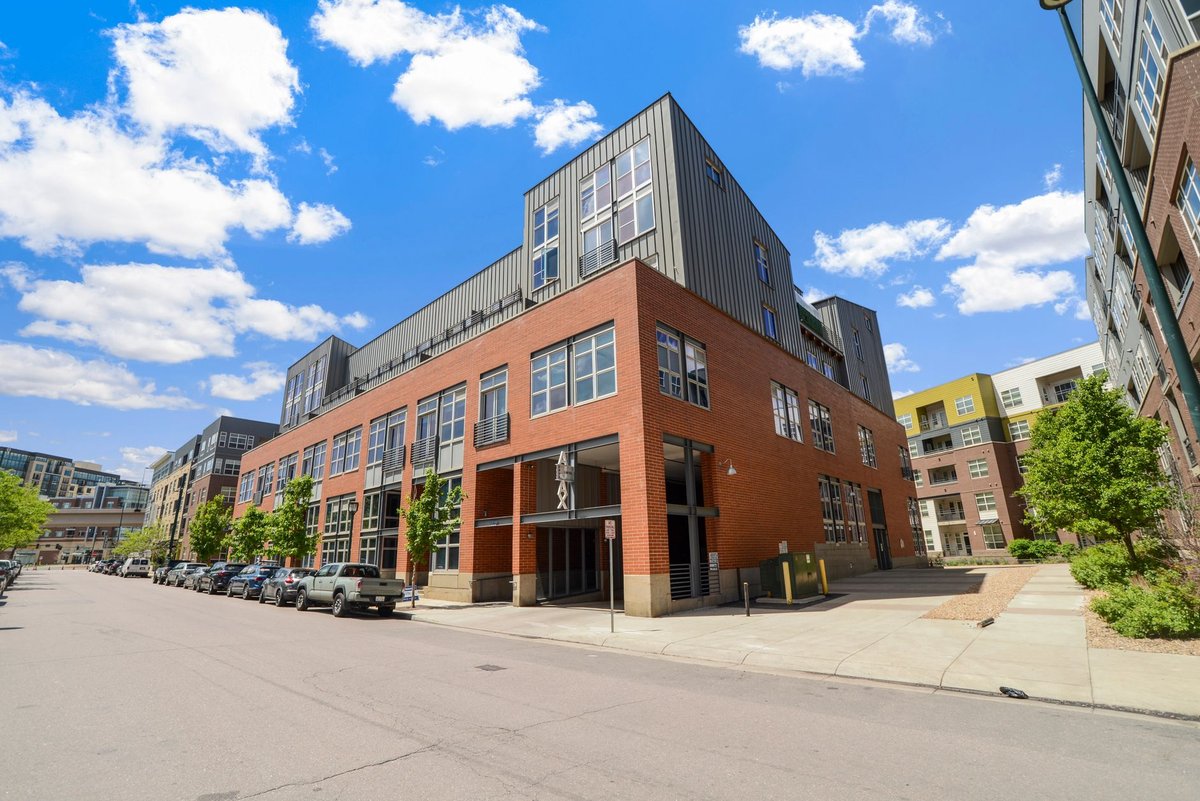
RiNo's converted warehouses turn their garage doors up the moment it's warm enough, and the neighborhood's dense cluster of breweries becomes a genuine walking crawl again after a winter of staying indoors. This is also when the murals RiNo is known for photograph best, with longer daylight and none of the summer haze that can dull the colors by July. Spend an afternoon working through a few taprooms on foot rather than driving, since parking gets tight once patio season is in full swing. It's an easy pairing with a RiNo taproom crawl if you want to make an entire day of it. Skip the crowds by going on a weekday afternoon rather than a weekend evening, and you'll actually get to see the murals without a crowd in every photo. It's over in RiNo (River North), northeast of downtown.
South Broadway in Baker
South Broadway's indie strip through Baker wakes up in spring with the same energy as everywhere else, but with a scrappier, more bohemian edge, more vintage shops with doors propped open, more record stores blasting something loud onto the sidewalk, more patios attached to dive bars than to anything polished. It's a good spring destination precisely because it doesn't require good weather to be interesting, so it's a solid backup plan on one of those days that starts sunny and turns to sleet by 3 p.m. The move locals swear by is parking once and walking, since the stretch between roughly Alameda and 6th has the highest concentration of independent shops and bars. It's in Baker, south of downtown.
Spring Sports and Big Events
Rockies Opening Day at Coors Field
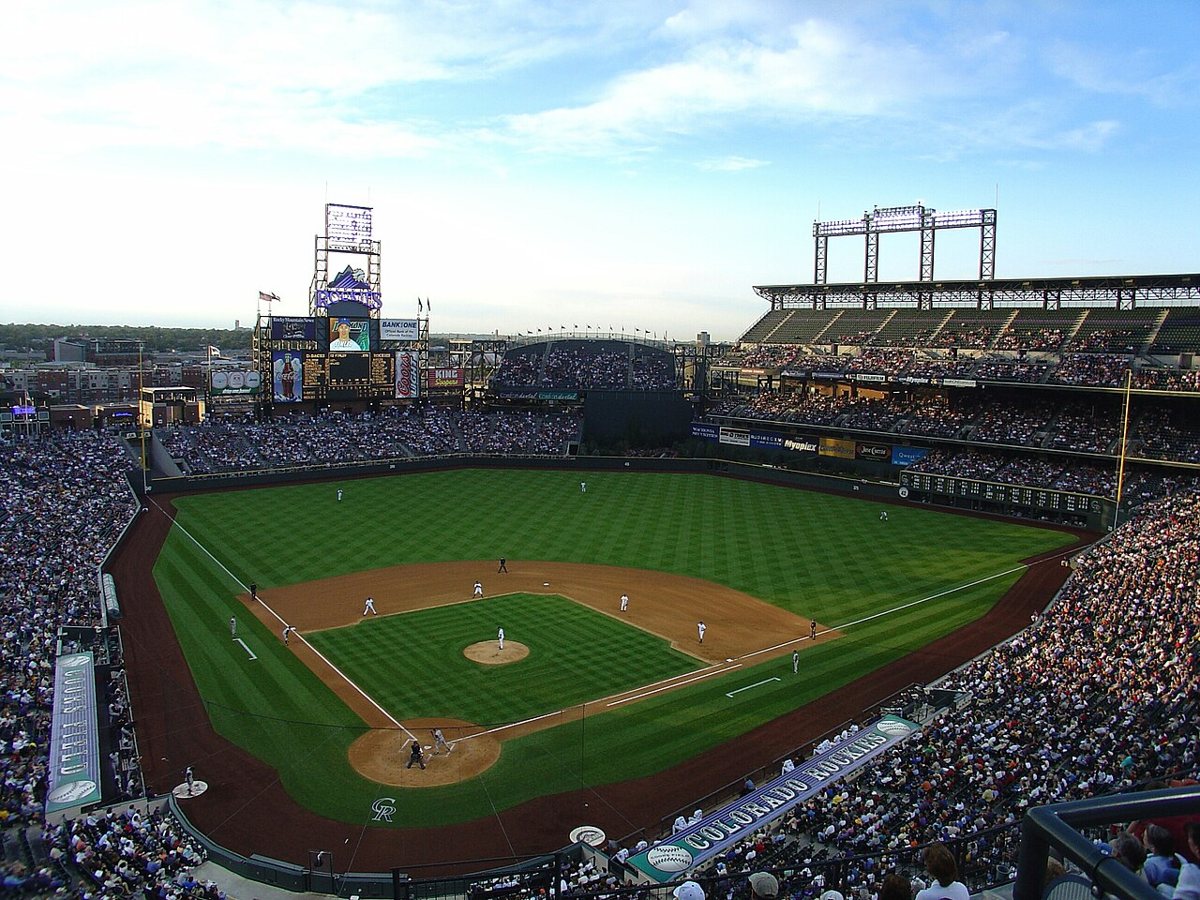
Nothing marks the true start of Denver spring like Opening Day at Coors Field. The Rockies open at Coors Field in early April most years, and the day itself functions as an unofficial civic holiday, with downtown bars filling before first pitch and LoDo turning purple and black for blocks around the stadium. Even a regular-season game in April or May is worth catching for the ballpark experience alone, thin mountain air that famously helps balls carry, a rooftop party deck in left field, and sightlines to downtown that you don't get in most ballparks. Insider tip: check current game schedules and ticket prices before you go, since single-game pricing swings a lot depending on the opponent and day of week. Area: LoDo, downtown.

Empower Field and Spring Soccer
Football's still months off in spring, but Empower Field stays active with concerts, community events, and increasingly with professional soccer matches, giving fans a reason to tailgate in the parking lots on a warm spring evening the same way they would in the fall. The energy is different, looser, without the playoff stakes, but the stadium experience, the sea of orange and blue gear, the pregame parking-lot grills, translates across sports. Insider tip: parking lots open well before kickoff for any event here, so arriving early gets you the full tailgate experience rather than just the game. Area: near Mile High, west of downtown.
Culture and Rainy-Day Options
The Denver Art Museum and Clyfford Still Museum
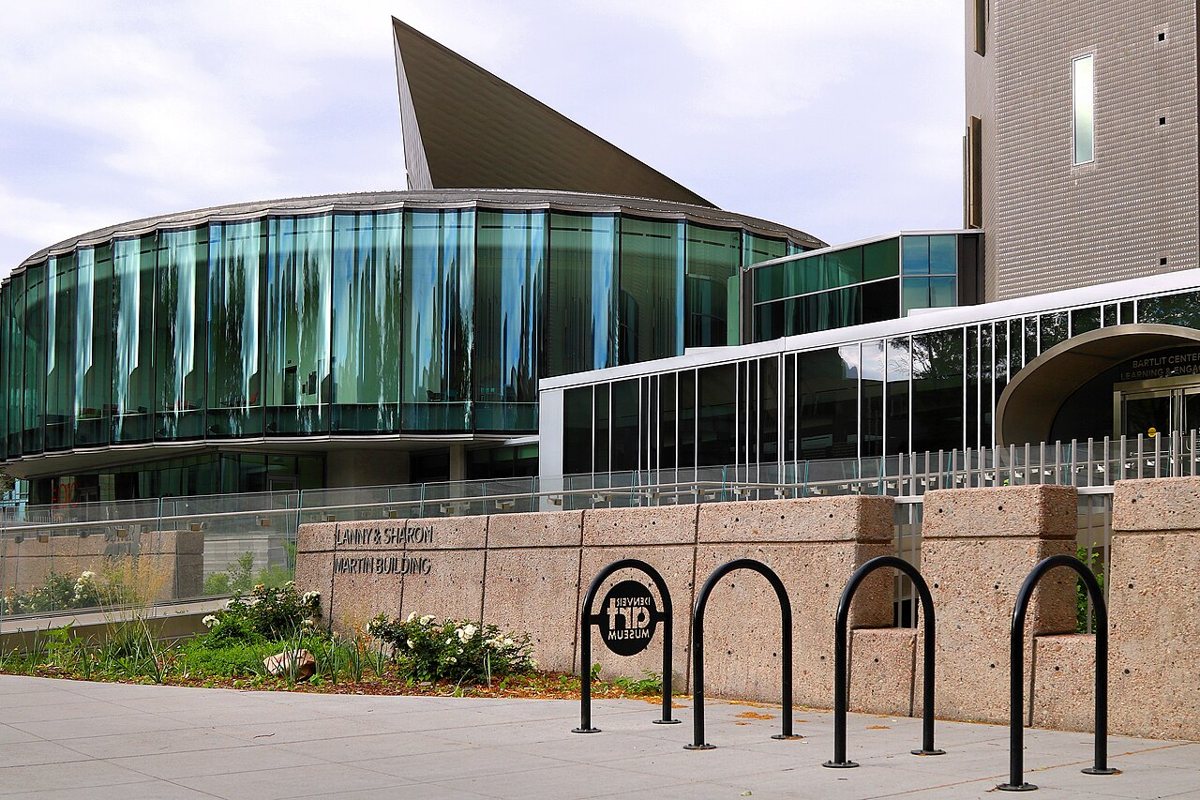
Spring's unpredictable weather makes downtown's museum row genuinely useful rather than a backup plan. The Denver Art Museum's angular titanium-clad building is worth seeing on its own, and its rotating exhibitions give repeat visitors a reason to come back each season. Next door, the Clyfford Still Museum holds the largest single collection of the abstract expressionist's work anywhere, in a quiet, purpose-built space that rewards an unhurried hour when a spring squall rolls through. Pairing both in one afternoon is an easy way to wait out weather without losing the day. A local trick: check current hours and any free-admission windows before visiting, since specific offerings change throughout the year. You'll find both in the Golden Triangle, near downtown.

Larimer Square and Union Station
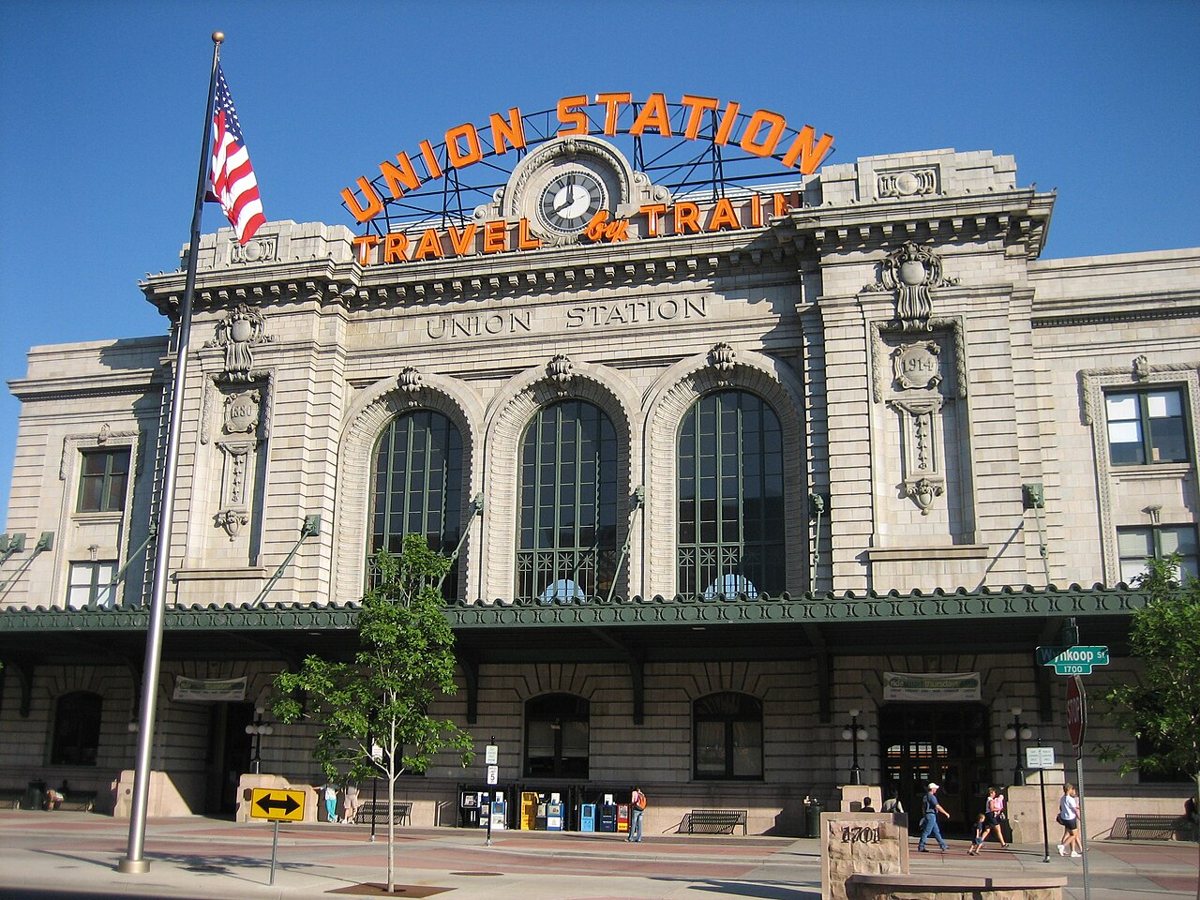
Larimer Square's gaslamp-style storefronts and string lights look their best once trees along the block start leafing out, and the block stays a reliable spot for dinner or a drink regardless of what the sky's doing. A few blocks north, Union Station's Great Hall functions as Denver's living room in shoulder season, warm light, a long communal table, restaurants and a bookstore tucked into a restored 1914 train station. Both are within easy walking distance of each other and make a solid indoor-outdoor combination for an evening when the forecast can't decide what it's doing. Worth knowing: Union Station's Great Hall is free to wander even if you're not catching a train or eating there, and it's among the better people-watching spots downtown. Both are in LoDo, downtown.

Five Points and Live Music Coming Back Outdoors
Five Points, the historic center of Denver's Black cultural life and jazz history, comes alive in spring as venues that scaled back over winter start booking fuller calendars again. Welton Street's murals and historic marquees are worth a slow walk on their own, and the neighborhood's restaurants and music venues give spring evenings here a different texture than the breweries of RiNo or the patios of LoHi, more rooted in the city's actual musical lineage. It's a good spring outing specifically because outdoor and patio seating starts reappearing at spots that were interior-only through winter, and the energy on the street picks up accordingly. Check what's booked before heading over, since the live music calendar shifts week to week and a specific act is often the reason to go. It's in Five Points, northeast of downtown.
Day Trips West Before the High Country Opens
Golden and Mount Falcon
Golden, sitting right at the base of the foothills, is usually a few degrees warmer and several weeks ahead of the true high country in spring. Mount Falcon Park's trails, including the old foundation ruins of a never-completed summer home, are hikeable well before trails at higher elevations lose their snowpack, and the views back toward the plains make the climb worth the effort. Golden's small downtown adds an easy lunch stop before or after. A local trick: south-facing sections of Mount Falcon clear of snow and mud earlier than north-facing switchbacks, so check trail reports before committing to a full loop. Both are in Golden, about 25 minutes west of downtown.

Chautauqua in Boulder
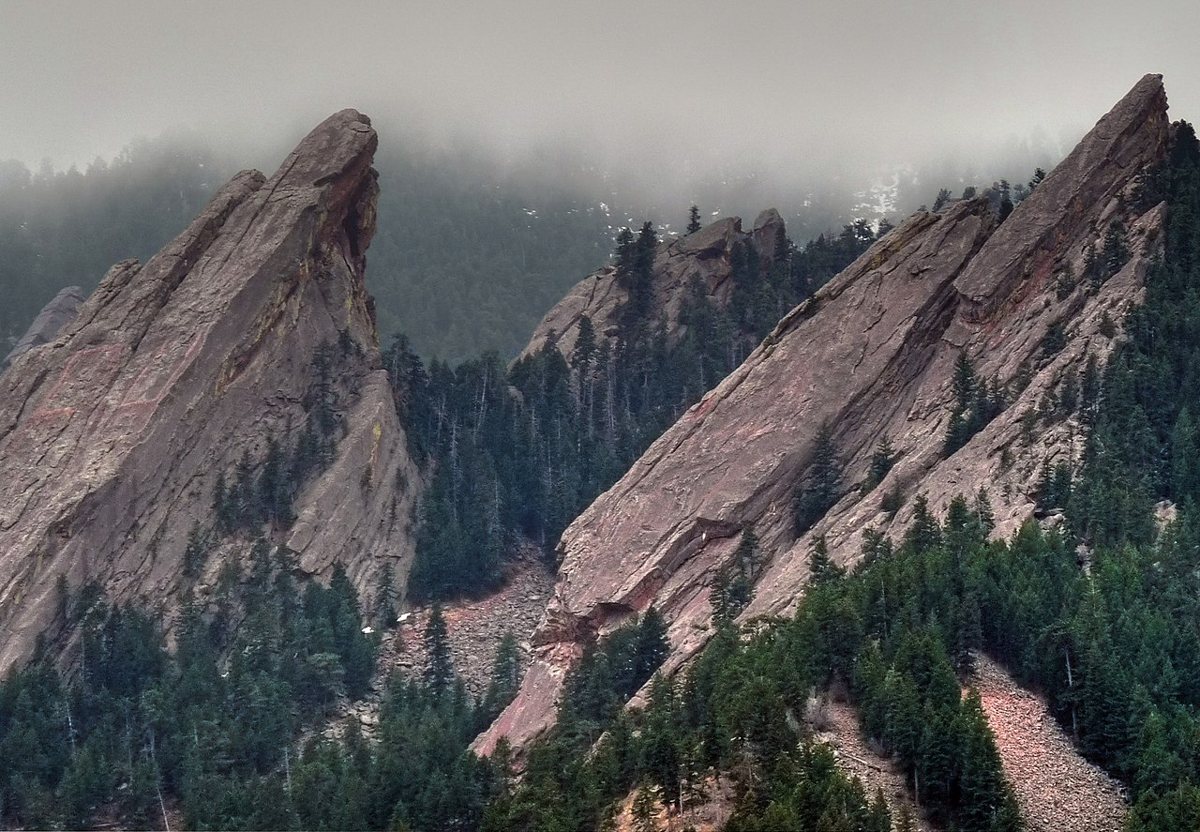
Chautauqua's meadow and the Flatirons behind it are among the most reliable early-season hikes on the whole Front Range, since the lower trails clear out fast even while peaks above stay snowy into late spring. The Chautauqua Dining Hall's porch is a good reward for anyone who'd rather sit and look at the rock formations than climb them. It's a slightly longer drive than most of what's on this list, but it's the clearest single spot to feel like the mountains have arrived without actually needing mountaineering gear. Insider tip: the main lot fills early on nice weekends, so a shuttle or an early arrival saves the hassle of circling for parking. Area: Boulder, about 40 minutes northwest of Denver.

Practical Spring Details
Spring weather here swings hard, a 70-degree afternoon can be followed by six inches of snow overnight, so layering isn't optional. Denver's public transit system, RTD, covers most of the neighborhoods in this guide, and the light rail's W Line and A Line connect downtown to Golden and the airport respectively, while a car remains the easiest way to reach Boulder and Golden, plus Red Rocks. Much of what makes spring here worth doing costs nothing: City Park, Washington Park, Cheesman Park, Confluence Park, the Cherry Creek Trail, Union Station's Great Hall, and the trails at Chautauqua and Mount Falcon are all usually free to access, with parking sometimes the only expense. Museum and garden admission, ballgame tickets, and specific event pricing change often enough that it's worth checking current listings directly before you plan around them.
What Spring Actually Means Here
Denver doesn't treat spring as a warm-up act for summer the way some places do. It's the season locals actually prefer, quieter trails, patios without the July crush, a ballpark that still has empty seats on a Tuesday, gardens changing week to week instead of sitting static in full bloom. The unpredictability isn't a flaw in the plan, it's the plan. Keep a jacket in the car, don't cancel outdoor plans over one bad forecast, and treat the whole season as an invitation to be outside constantly, because the payoff, that first genuinely warm week when the whole city seems to move its life onto a patio or a trail at once, is worth the gamble every year.