Best Museums in Denver You Shouldn't Miss
Denver's museum scene runs from a Libeskind art fortress downtown to a Wild West showman's grave on a mountain west of town, and a local who's spent two decades in these galleries picks the ones worth your Saturday.
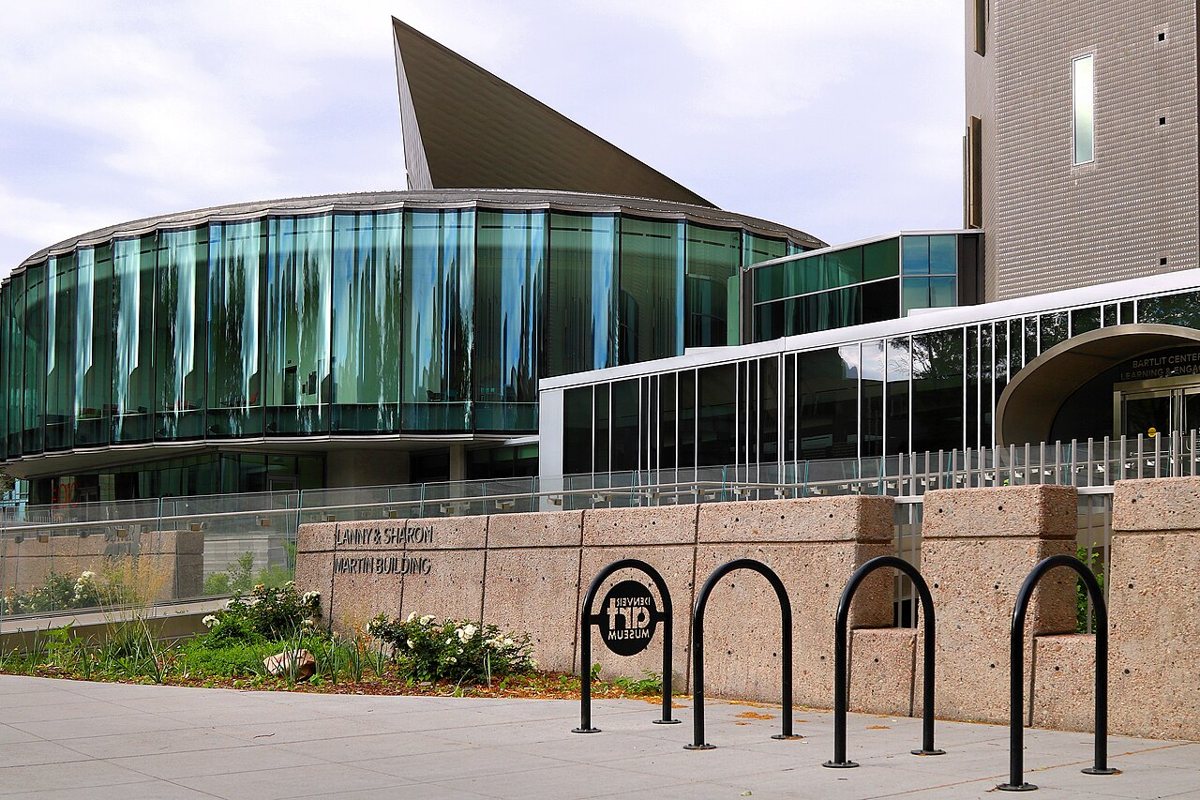

The first time I brought my nephew to the Frederic C. Hamilton Building, he stopped dead in the lobby and asked why the walls were trying to stab him. Fair question. Daniel Libeskind's titanium-paneled addition to the Denver Art Museum looks like it lost a fight with a glacier, all sharp angles jutting toward Civic Center Park. After fifteen years of walking past it, I still catch myself staring at the way the afternoon light catches those panels. That building is where any honest ranking of the best museums in Denver has to start, because this city's cultural institutions are not an afterthought squeezed between trailheads. They're the reason a lot of us who grew up here never left.
That ranking reckons with a strange, wonderful sprawl. You've got a world-class art museum a few blocks from a Victorian mansion where a Titanic survivor once lived, a science museum anchoring City Park that still smells like the dinosaur hall smelled when you were seven, and a transportation collection tucked behind warehouses on Brighton Boulevard that most visitors never hear about. Add a concrete chapel built for one abstract painter's estate and a decommissioned Air Force hangar full of restored fighter jets, and you start to see why "just hit the big one downtown" is bad advice here.
This guide walks through them by type, then by neighborhood, because that's genuinely how a local plans a museum day here. Pick your lane first, art, history and science, or the specialty collections that don't fit either box, then pick your pocket of the city. Nobody sane tries to do all twelve of these in a weekend, so treat what follows as a menu to build a season of visits around.
The Best Museums in Denver for Art Lovers Start in the Golden Triangle
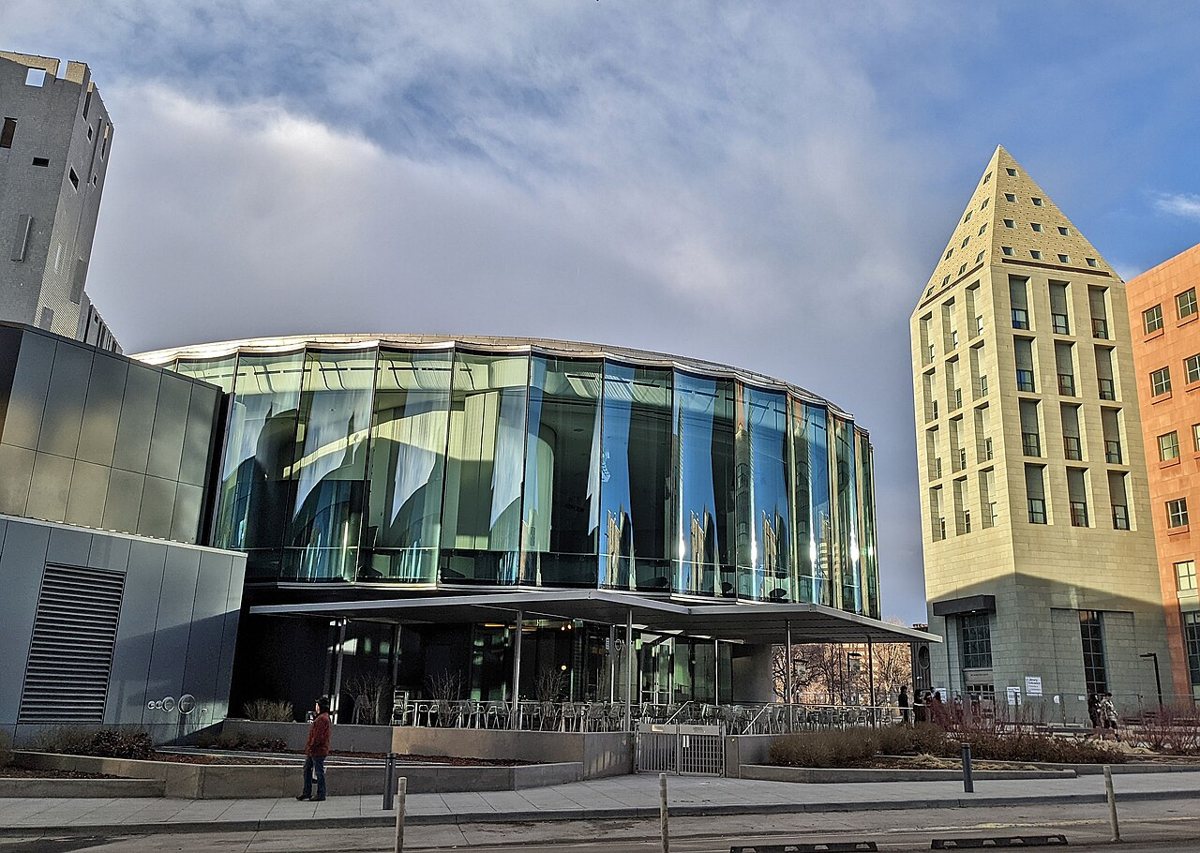
Start with the Denver Art Museum, because everything else in this town measures itself against it. The permanent collection runs deep on Indigenous art from across the Americas, a strength most East Coast museums can't touch, and the Western American Art galleries hold work that complicates the cowboy-and-cactus version of this region you might expect. Budget a full morning if you can, because the building itself is half the exhibit. Take the skybridge between the North Building and the Hamilton wing slowly, since that's where you get the best sightline back toward the mountains.
Wander the North Building's original galleries too, since that's where the Asian art and the pre-Columbian holdings live, quieter rooms most first-time visitors bypass. Insider tip: go on a weekday morning right when it opens, before the school groups arrive, and the Native Arts galleries on the upper floors are almost silent, the kind of empty-museum hush that makes you feel like you snuck in after hours. It sits in the Golden Triangle Creative District, an easy walk from Civic Center Park.

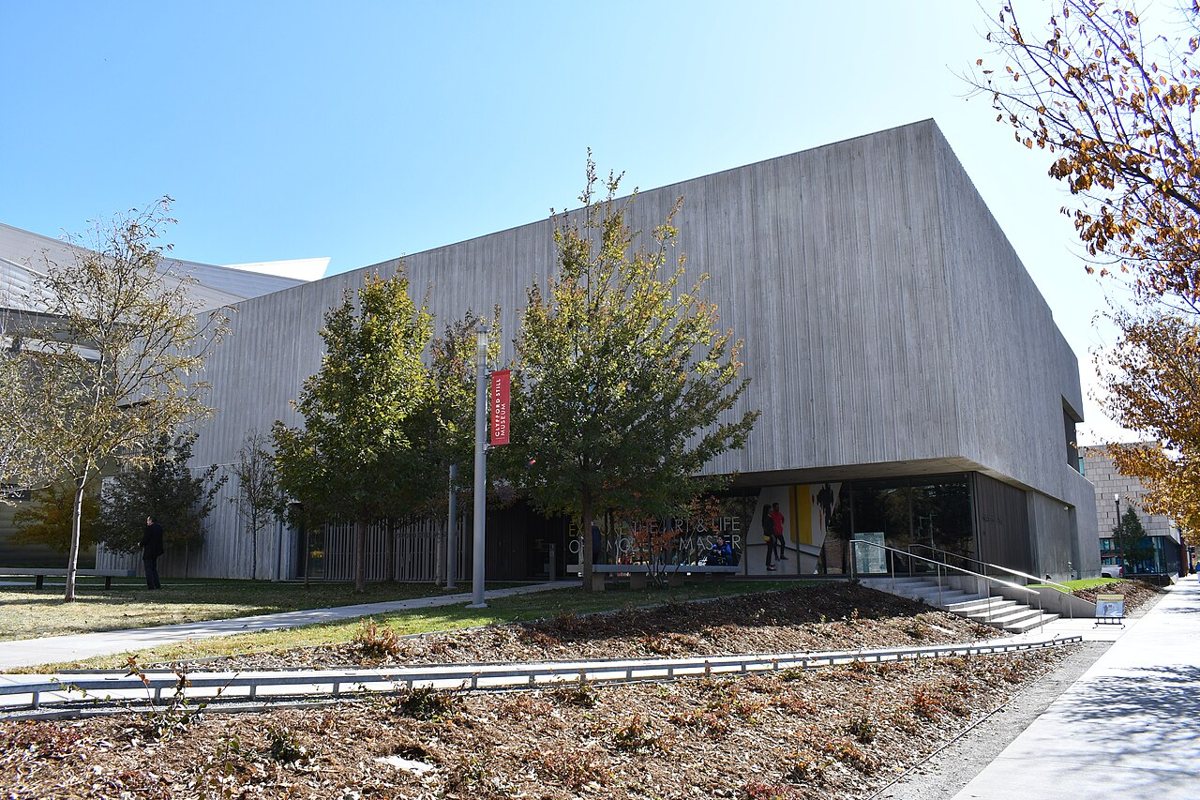
A block or two away sits the Clyfford Still Museum, which is not a museum you wander into by accident and that's exactly the point. Still was one of the founders of Abstract Expressionism alongside Rothko and Pollock, and when he died he stipulated that his entire estate go to a single American city willing to build a museum for it alone. Denver won that bid, and the result is the overwhelming majority of his paintings and works on paper housed in a concrete building that feels more like a chapel than a gallery, poured concrete walls, deliberately low light, almost no wall text competing for your attention. Go if you want to actually look at paint instead of reading placards, and give yourself permission to spend twenty minutes in front of one canvas.
The basement study center is worth asking about too, since it holds sketchbooks and archival material that rotate through in smaller, more intimate displays than the main galleries upstairs. Because the collection is so tightly focused on a single artist's evolving practice, walking room to room chronologically does something few group-collection museums manage: you watch one painter's whole mind change shape over four decades in about an hour. The rotating installations mean it rewards repeat visits in a way most single-artist museums don't, since curators regularly pull different works from the vault and rehang entire rooms. This one rarely gets crowded, so a quiet Tuesday afternoon here after the Denver Art Museum next door is one of the better ninety-minute stretches in the city.

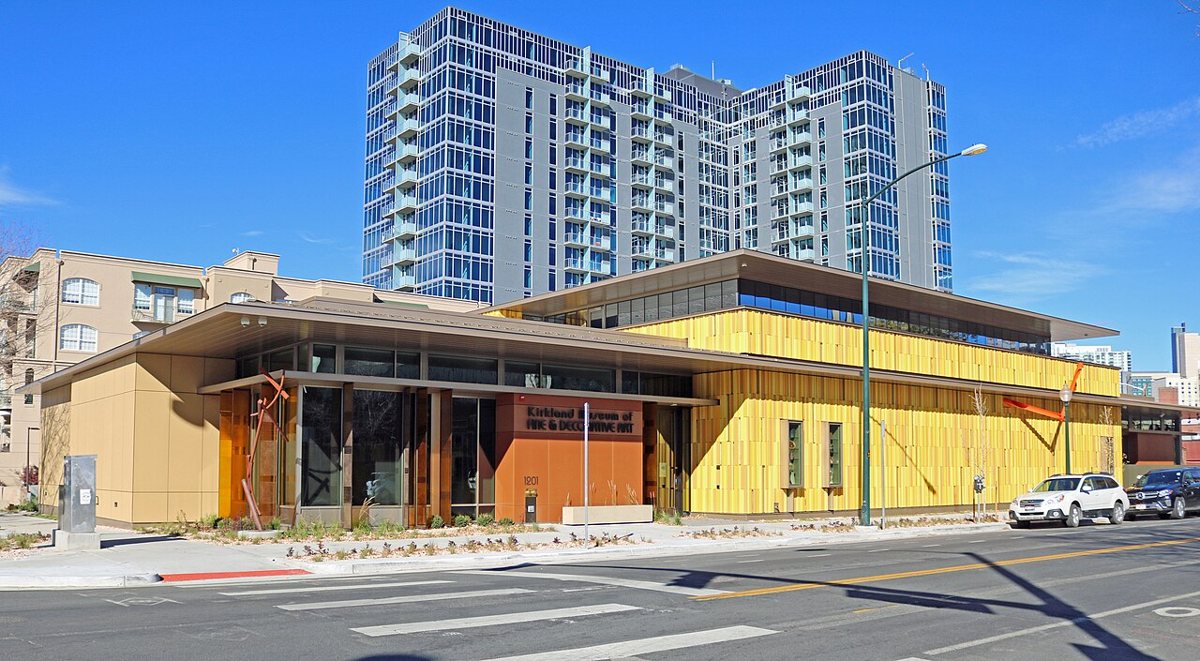
Then there's the Kirkland Museum of Fine & Decorative Art, which locals talk about less than they should. It combines a serious collection of Colorado modernist painter Vance Kirkland's work with an equally serious international collection of decorative arts and furniture, chair by chair, teapot by teapot, spanning Art Nouveau through Bauhaus and beyond. Walk the galleries slowly and you start noticing the connective tissue between a Kirkland canvas and the Scandinavian chair sitting a few feet from it, the same color logic and structural instinct showing up in wildly different mediums. The effect is disorienting in the best way, like walking through someone's extraordinarily good taste rather than a museum built by committee.
Set aside an hour, and don't skip Kirkland's own reconstructed studio, which anchors the whole building and gives the collection its emotional center, easels and paint tubes arranged the way he actually worked. It's in the Golden Triangle too, close enough to the Denver Art Museum and Clyfford Still that a determined visitor could hit all three in one long day, though I'd rather you didn't rush it.

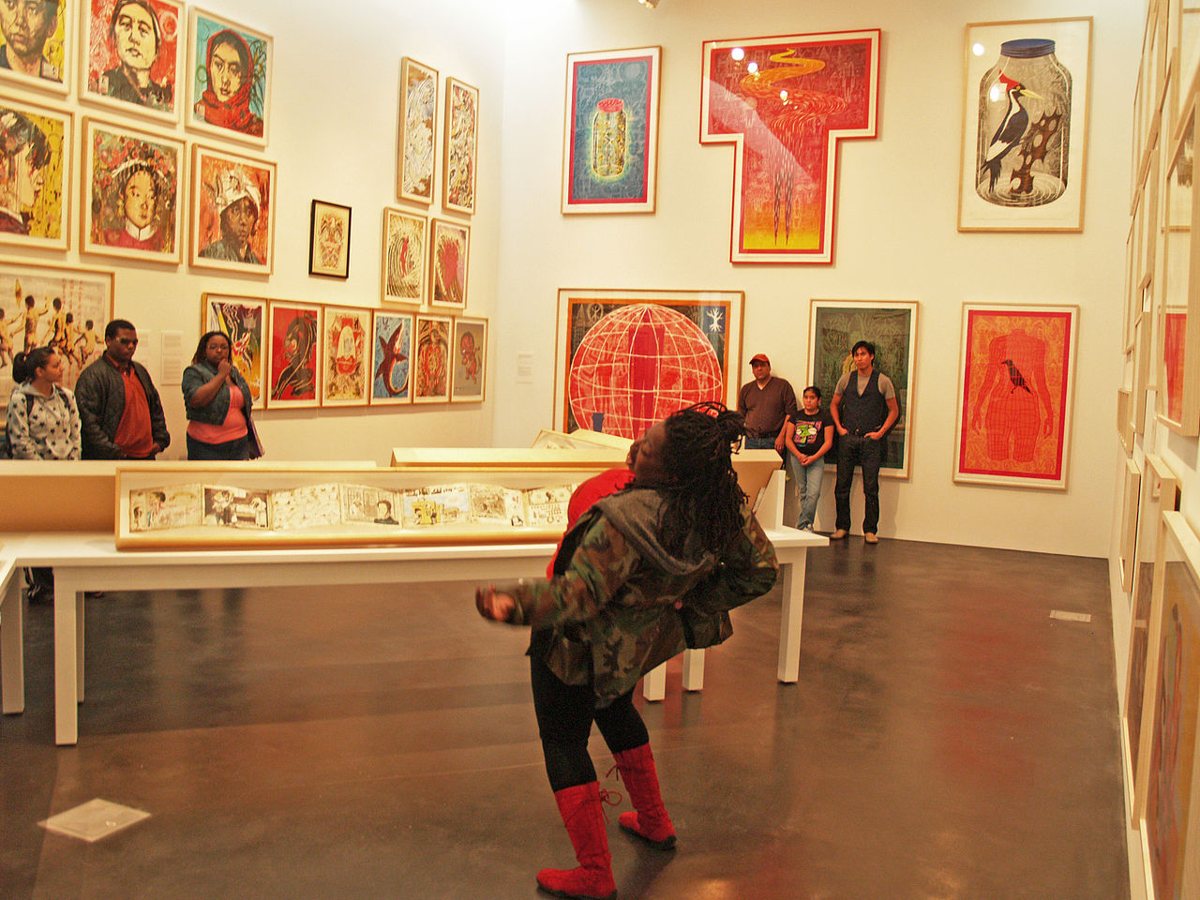
For something with a sharper, faster-changing edge, head to MCA Denver, the Museum of Contemporary Art, down in LoDo a few blocks from Union Station. It runs on a kunsthalle model, meaning there's no permanent collection, just a rotating slate of exhibitions that shift every few months. It's the place to check before you assume you know what's showing in Denver right now, because the programming leans genuinely experimental, video installations, work by living artists still building their careers, sound pieces that spill out into the stairwells.
The rooftop terrace and its bar are worth the trip even if a particular show doesn't grab you, especially on a warm evening when the museum runs later programming and the terrace fills with a crowd that skews younger and looser than a typical museum audience. Check current hours before you go, since MCA's schedule moves around more than the encyclopedic museums nearby.

History and Science, Anchored by City Park and Civic Center
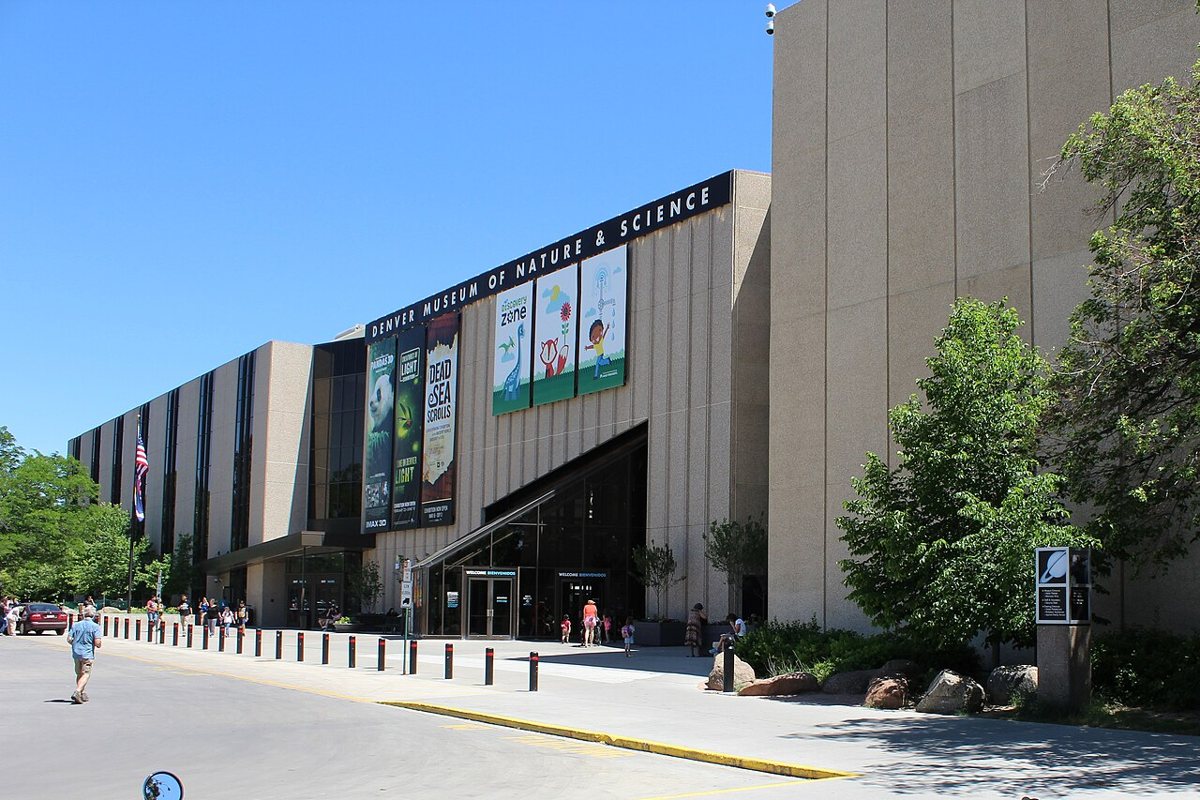
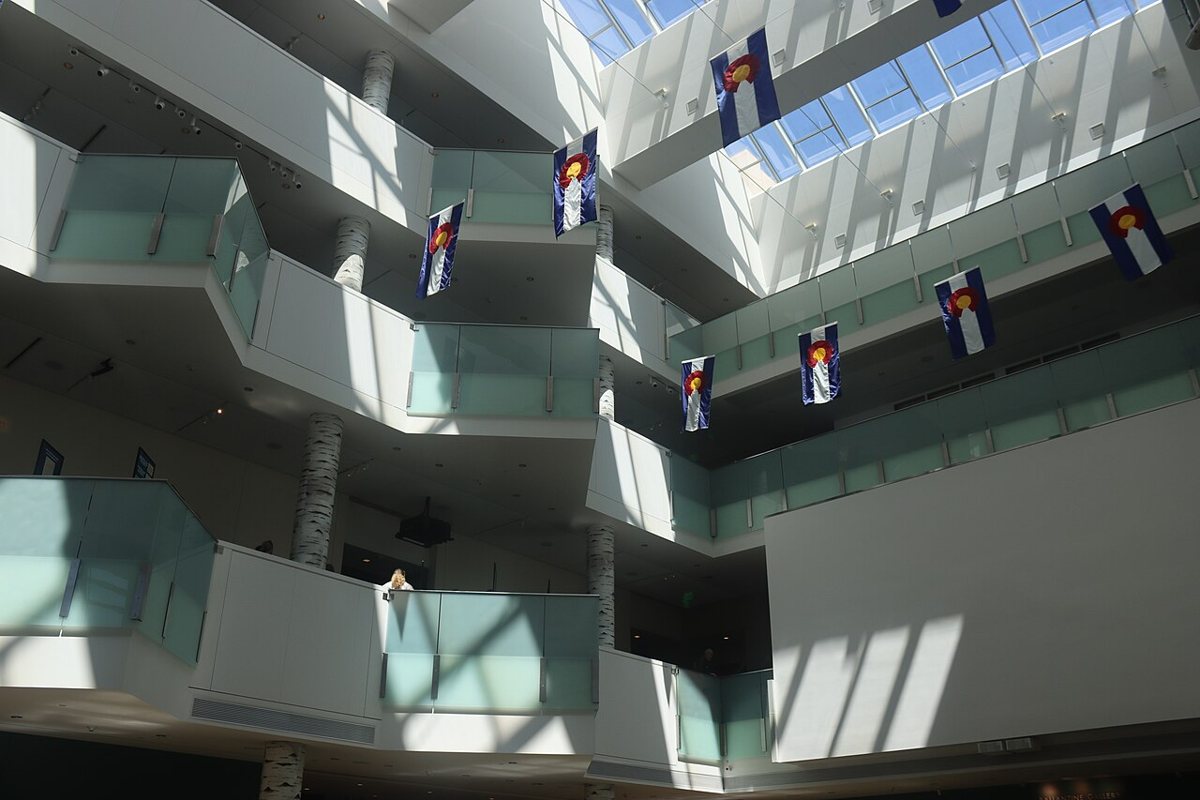
The Denver Museum of Nature & Science has been the field-trip constant for generations of kids raised in this city, myself included, and it still delivers. The dinosaur halls hold their own against any natural history collection in the country, and the Gates Planetarium and IMAX give the place a rotating draw beyond the fixed exhibits, worth checking on their own separate schedule since shows sell out on weekends. What a lot of visitors miss is Prehistoric Journey, a walk-through timeline of life on Earth that's more ambitious than the name suggests, tracing four billion years across a single winding gallery that never quite feels like a lecture.
The Space Odyssey wing does a genuinely good job explaining the physics of spaceflight to people who zoned out in high school science, with hands-on stations that hold a kid's attention far longer than a glass case ever could. Go early on a weekend if you're bringing kids, because strollers pack the main hall by mid-morning. It anchors the eastern edge of City Park, so it pairs naturally with a slow loop around City Park itself, a walk past Ferril Lake, or a stop at the zoo if you've got the whole day carved out.

History Colorado Center, back near Civic Center, tells the state's story in a way that doesn't flatten it into stagecoaches and gold pans, though it has plenty of both. The exhibits move through Ludlow and the labor wars, the internment of Japanese Americans at Amache during World War II, and the Sand Creek Massacre with a seriousness that a lot of state history museums avoid, letting the harder chapters sit without softening them for comfort. There's an interactive floor map you can walk across, which sounds gimmicky until you're standing on it tracing the route of a wagon train and watching the terrain change under your feet.
Upper floors rotate through changing exhibits, ski history one season and Chicano art movements the next, so it's worth checking what's currently up rather than assuming the permanent galleries are the whole story. Give it two hours minimum, longer if a temporary exhibit catches you. This is the museum I send people to when they say they want to actually understand Colorado, not just photograph it, since it treats the state's contradictions as the point rather than a footnote.

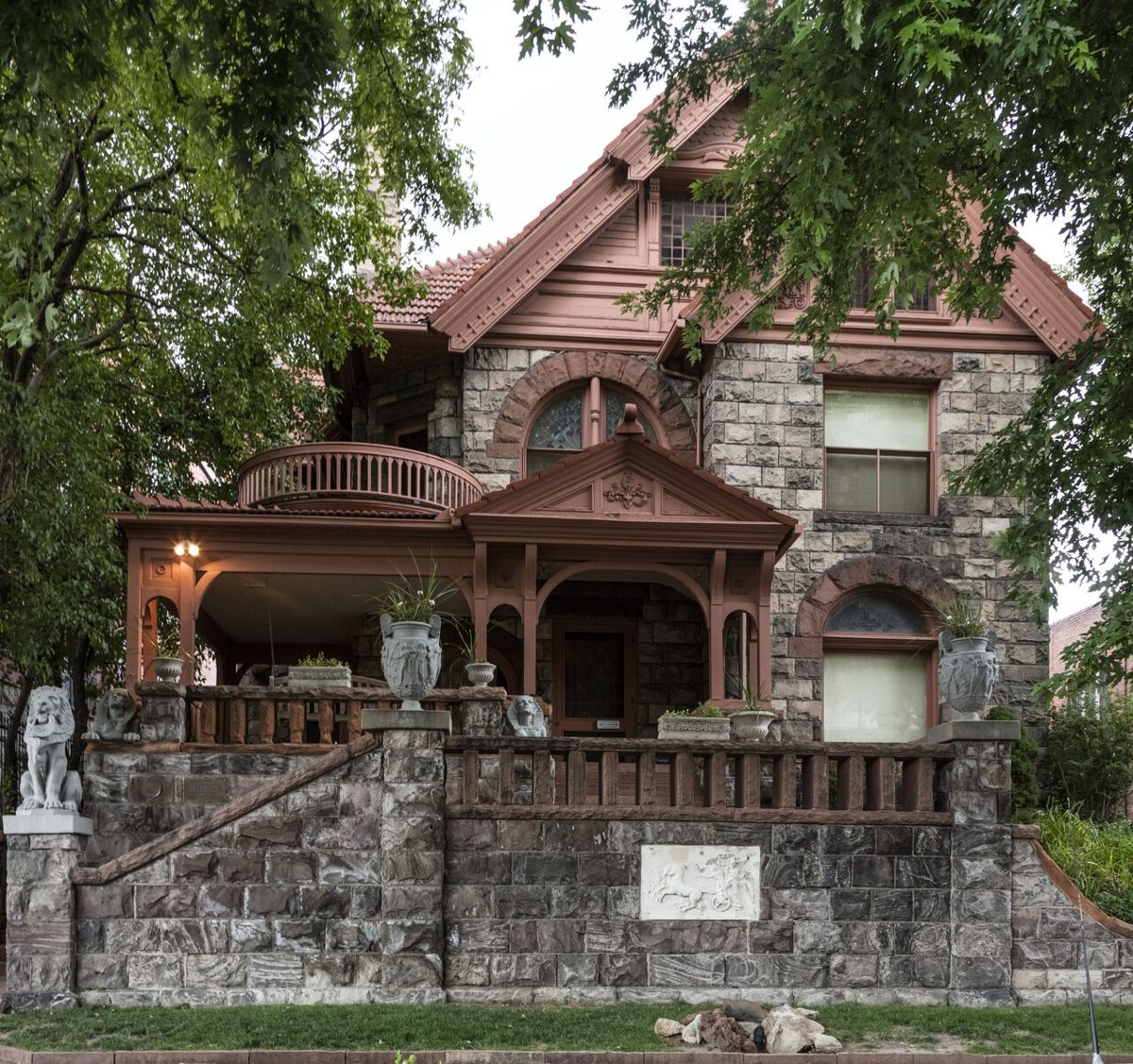
Molly Brown House Museum sits over in Capitol Hill, a Victorian stone house that belonged to Margaret Brown, the Titanic survivor everyone knows as "the Unsinkable Molly Brown" even though she reportedly hated the nickname. The guided tours run through the restored interior room by room, servants' quarters included, and the docents here tend to be sharper and more willing to go off-script than you'd expect from a house museum, correcting the Broadway-musical version of her life with the more interesting real one: labor activist, congressional candidate, philanthropist who spoke multiple languages and ran in circles far beyond Denver society.
Notice the wallpaper and the period furnishings as you move through, since the restoration team worked from photographs to get the rooms close to how the Browns actually lived rather than a generic Victorian showroom. It's a small museum, an hour tops, but it's the kind of place that rewards actually listening to the tour guide instead of drifting ahead into the next room. Capitol Hill's tree-lined blocks around it are worth a slow walk before or after, past mansions built by the same generation of mining money that built this one.
The Specialty Museums That Actually Define This City
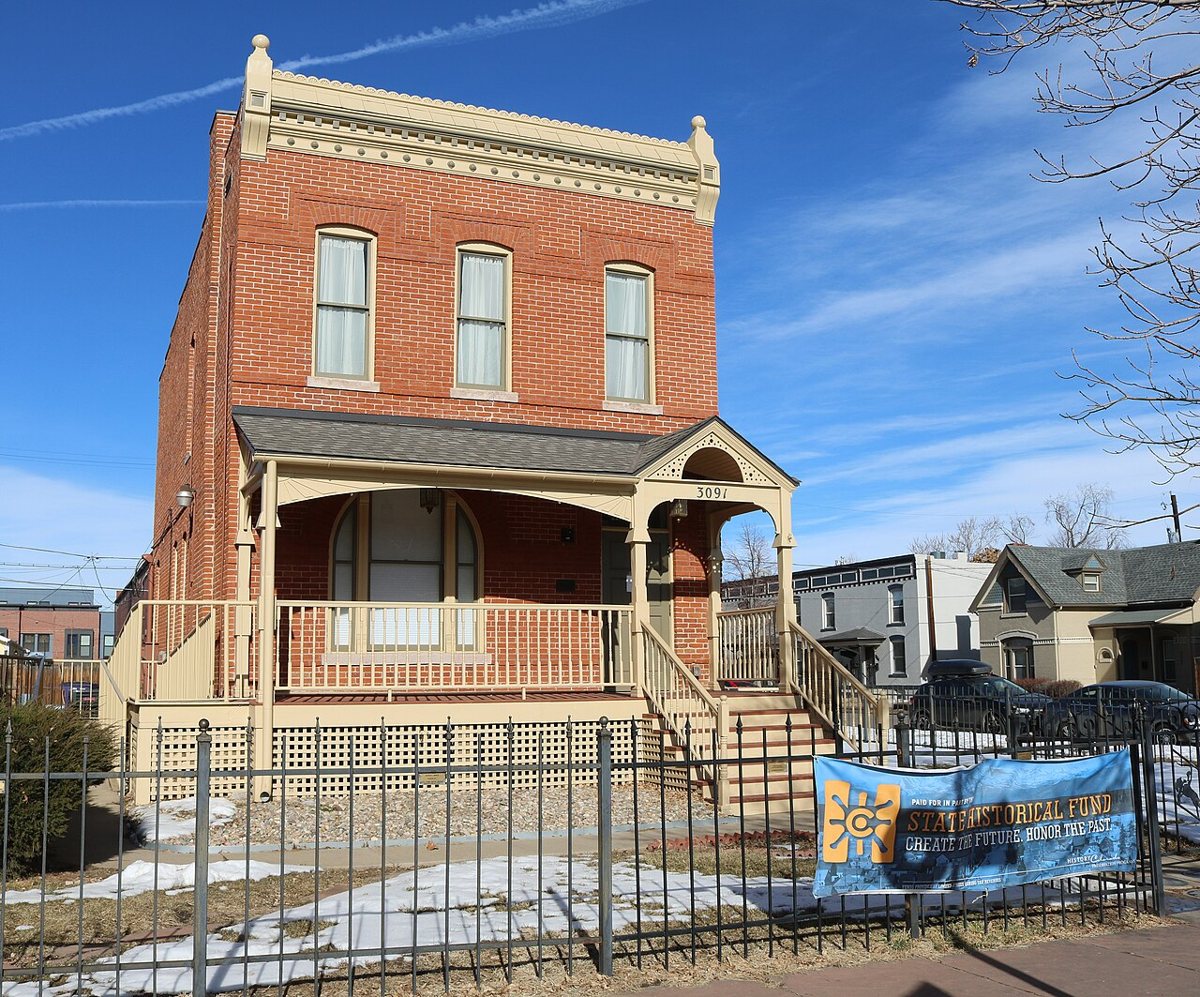
Five Points has been the historic center of Black cultural life in Denver since the early twentieth century, and the Black American West Museum sits right in the middle of it, in the former home of Dr. Justina Ford, the city's first licensed Black woman physician. The collection focuses on the Black cowboys, homesteaders, and settlers who are almost entirely absent from the mythology of the American West that Hollywood sold everybody, correcting that gap with photographs, saddles, and oral histories rather than lecture.
Docents here often have personal or family connections to the neighborhood, and asking a question tends to open up conversation well beyond the exhibit labels. It's compact, but it's the kind of museum that reorders how you think about the entire region afterward, especially if you grew up on the version of Western history that stops at ranch hands in old movies. Go slow through the front rooms, since the house itself is part of the exhibit, and give yourself time afterward to walk a few blocks of Five Points and take in the neighborhood the museum is rooted in.

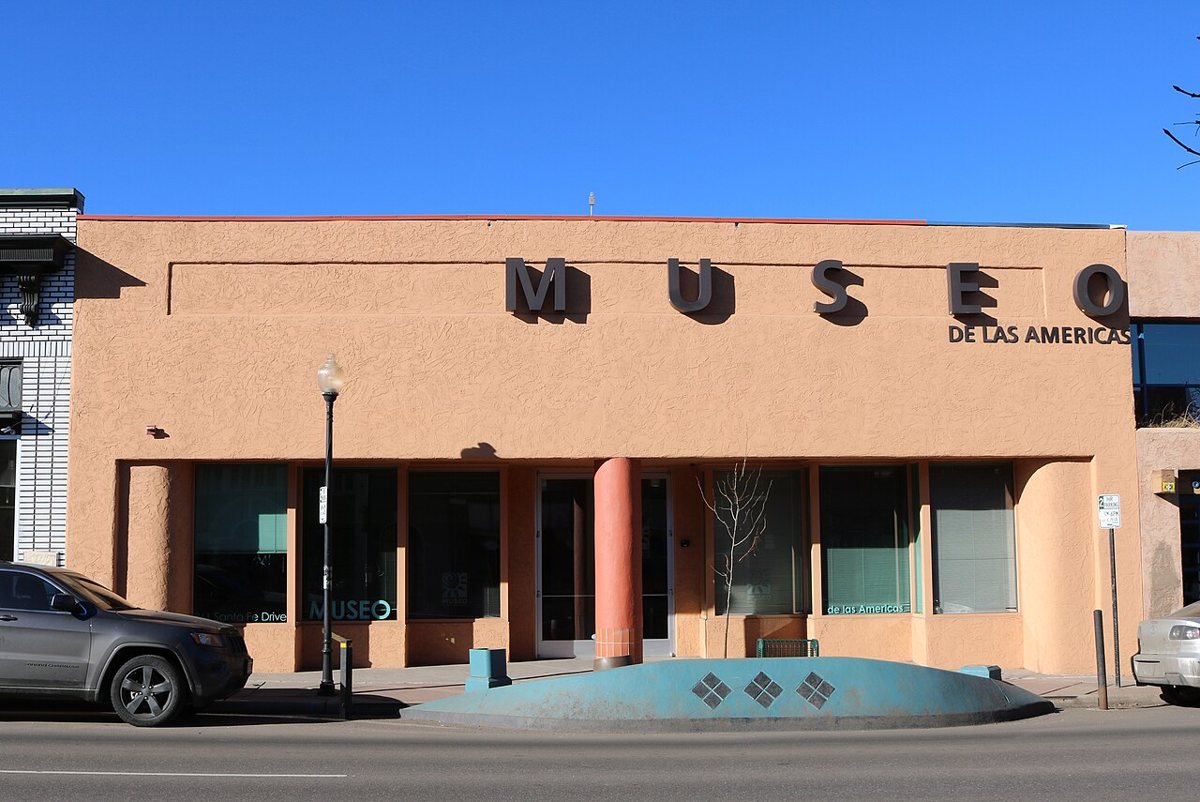
Museo de las Americas, down near the Art District on Santa Fe close to Baker, is the only museum in the region dedicated entirely to Latin American, Latino, and Chicano art and history, spanning pre-Columbian artifacts through contemporary work. The permanent collection sets up the long arc, but the temporary exhibitions here are where the museum really shines, often pulling in local Chicano artists whose work you won't see hanging anywhere else in the city, sometimes tied to community programming that spills out into the surrounding blocks.
Check the calendar before visiting, since the museum periodically hosts talks, film screenings, and workshops that turn a quick gallery stop into something more involved if the timing lines up. It's small enough to see thoroughly in an hour, which makes it an easy add-on to an afternoon spent gallery-hopping along Santa Fe Drive, particularly on First Fridays when the whole corridor turns into an informal open house.

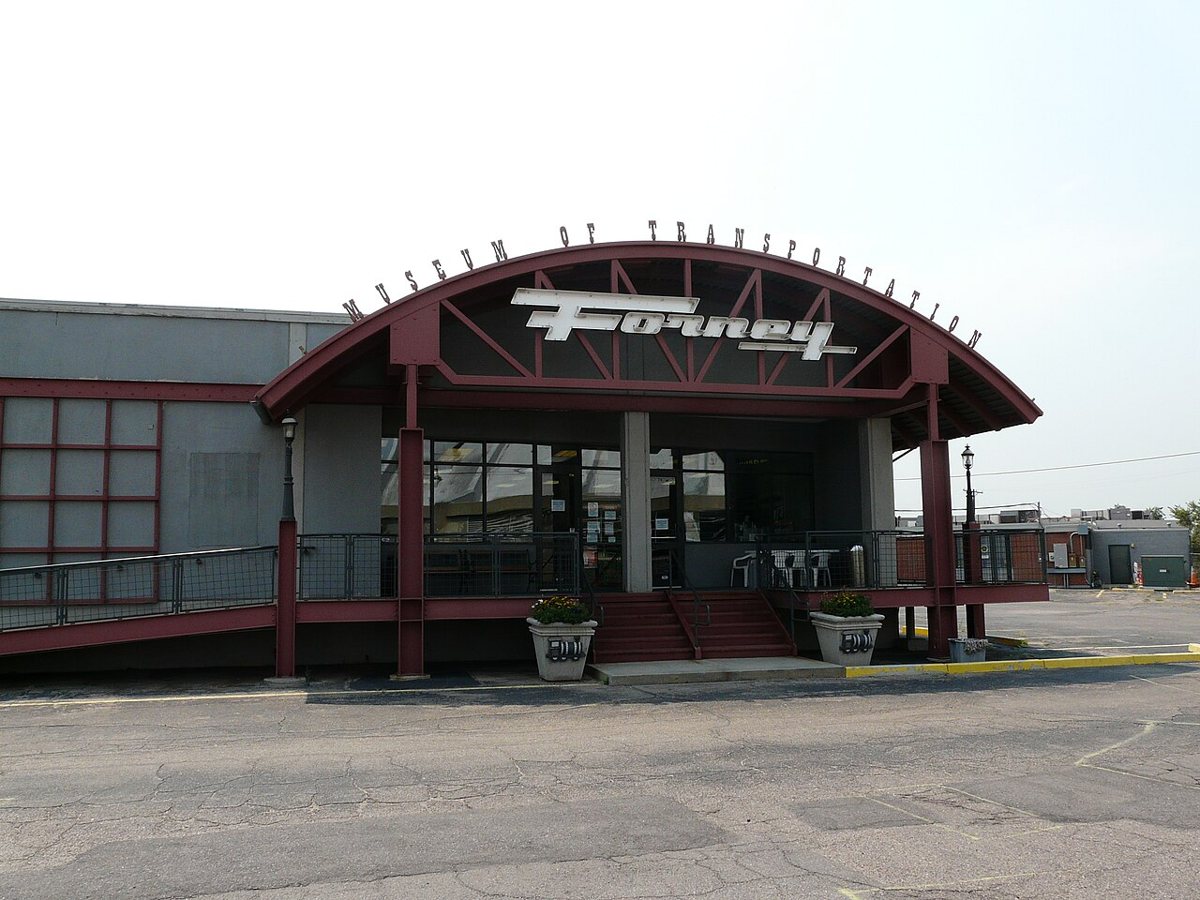
The Forney Museum of Transportation, housed in a warehouse on Brighton Boulevard, is the one on this list most visitors have never heard of, and that's a shame because it's a genuinely strange, wonderful collection. Antique cars fill row after row, alongside steam locomotives, sleighs, bicycles, even Amelia Earhart's Kissel roadster, all packed into one hangar-sized space with the kind of unpretentious signage that lets the machines speak for themselves. Circle the big steam engine at the center slowly and look for the early bicycles near the entrance, oddly shaped ancestors of things you'd recognize instantly today.
It's an easy pairing with a beer afterward, since it sits at the northern edge of RiNo's warehouses-turned-galleries and its cluster of taprooms, a natural way to close out an industrial-history afternoon with something colder. Give yourself an hour and don't rush the locomotive hall.

Out at the old Lowry Air Force Base, Wings Over the Rockies Air & Space Museum fills a decommissioned hangar with restored military aircraft spanning several eras, and walking the hangar floor puts you directly under wingspans that photographs never quite convey. A handful of the larger airframes sit outside on the tarmac, visible from the road long before you reach the entrance, so first-time visitors often spot the collection before they've even parked.
It's run largely by volunteer docents, many of them former pilots or mechanics, and striking up a conversation with one of them tends to be the best part of the visit, since they'll talk shop about a specific airframe in a way no placard ever could. Kids gravitate toward the flight simulators, but the real draw is standing underneath aircraft that most people only ever see in photographs or old war films. It's a bit of a drive from downtown, so plan for that and pair it with lunch somewhere nearby rather than trying to squeeze it between two other stops.


The One Worth the Drive West
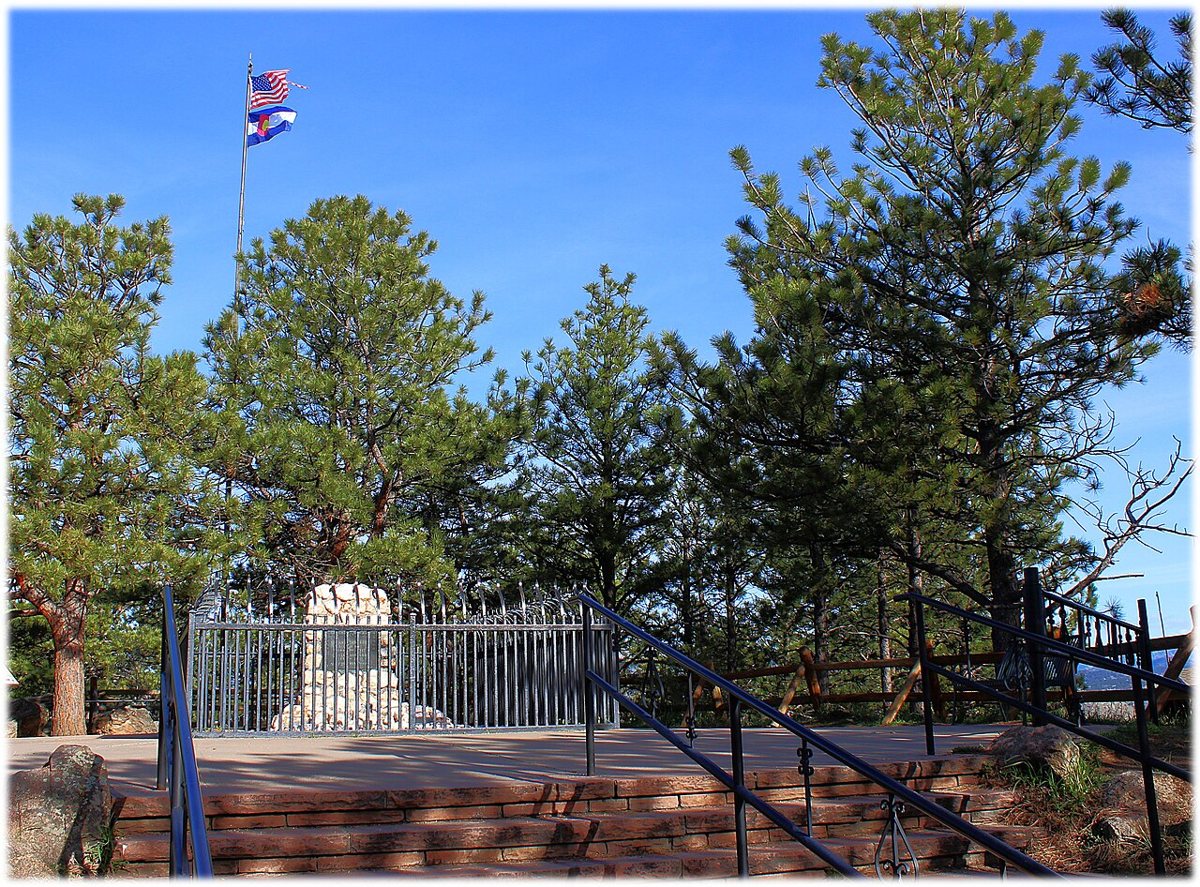
Everything west of I-70 is what this city calls "the mountains," and the Buffalo Bill Museum & Grave sits right at that transition, up on Lookout Mountain above Golden. Buffalo Bill Cody's grave and the small museum built around it lean hard into the mythology of the Wild West show he built his fame on: guns, saddles, posters, and the complicated legacy of a man who both performed and profited off a romanticized frontier while blurring the line between showman and history himself. Wander the exhibit cases slowly and you find as much about the mechanics of touring a Wild West show across Europe as you do about Cody's own biography.
The gift shop leans into the kitsch a little, and that's part of the charm rather than something to roll your eyes at. The view from the overlook, with the plains stretching out one direction and the foothills climbing the other, is worth the drive on its own, the kind of panorama that explains in one glance why Denver sits where it does. It isn't a stop for a quick errand; treat it as a half-day trip that includes a walk around Golden itself, and go on a clear day so the overlook actually delivers.

Getting Around, Timing It, and What Costs Nothing
Most of the downtown and Golden Triangle museums sit within walking distance of each other and of Civic Center Park, so a car isn't strictly necessary if you're staying central. The light rail's Civic Center Station drops you within a few blocks of the Denver Art Museum, History Colorado Center, and Clyfford Still, and the walk between all three barely counts as exercise. RiNo, Five Points, and the Art District on Santa Fe museums are each a short rideshare or bike share hop from downtown rather than a true walk. Wings Over the Rockies and the Buffalo Bill Museum both require a car, so plan those as separate half-days rather than trying to stack them with the downtown cluster.
Weather matters more here than in most cities for timing a museum day. A surprise spring snowstorm or a sudden afternoon thunderstorm can make the outdoor stretches between Golden Triangle museums genuinely unpleasant, so keep an eye on the forecast and have an indoor backup plan. Parking downtown fluctuates by event and season too, so budget extra time or lean on the light rail if something is happening at Civic Center Park the same day.
- Weekday mornings are consistently the least crowded time at every major museum on this list, especially right at opening, before tour groups and school buses arrive.
- Several institutions, including the Denver Art Museum and History Colorado Center, offer free or discounted admission on certain days each month, so check current pricing pages before you go rather than assuming a deal applies on the day you show up.
- Smaller specialty museums like the Black American West Museum and Museo de las Americas can genuinely be seen in an hour, which makes them easy to pair with a meal or a walk in the surrounding neighborhood.
- If you're tackling several museums in one trip, look at whether a multi-museum pass makes sense for your specific list, since not every combination saves money and some passes exclude the smaller specialty collections entirely.
- Membership at one or two of the larger museums can pay for itself quickly if you visit more than a couple of times a year.
What I want people to take from all of this isn't a checklist. It's that Denver built a museum scene the way it built everything else here, without much interest in impressing anyone outside its own borders. Nobody in this city talks about the Clyfford Still Museum to seem sophisticated. They go because it's twelve minutes from work and it's good.
The mountains get all the postcards, and fair enough, they earn it. But the reason people who move here for a season end up staying for a decade usually has less to do with the trailheads and more to do with mornings like the one I had with my nephew in that Libeskind lobby, arguing about whether the walls were trying to stab him, both of us a little in awe either way. Twelve museums, a dozen different reasons to stay curious about the place you already live in, and not one of them requires a plane ticket to reach.