Best Hikes near Denver: A Local's Guide
A Westword-vet local runs down every real foothills climb, state park, and alpine push within reach of a Denver weeknight or weekend.
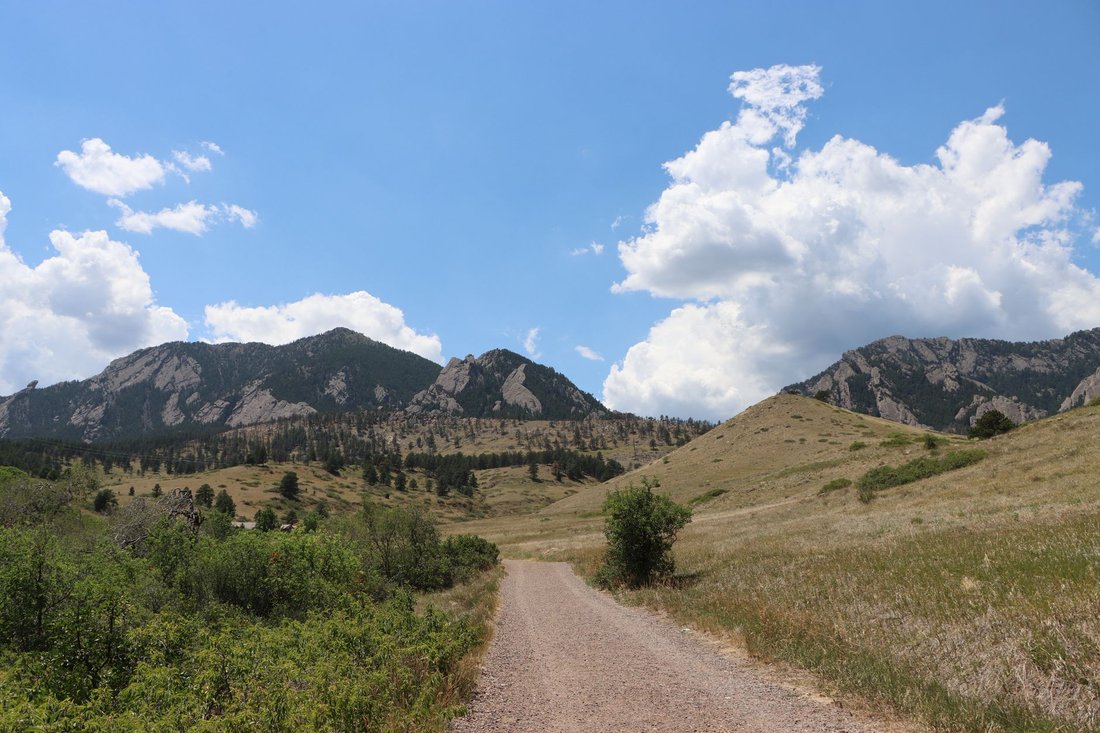
By six on a Tuesday morning in July, the parking lot at Green Mountain is already half full. Guys in work boots and headlamps jog the switchbacks before their first meeting. A woman in running gear tops out and heads straight back down without breaking stride, barely glancing at her watch. This is what passes for a coffee break in Denver: get to elevation and get the blood moving before the shower. Ask five different locals for the best hikes near Denver and you'll get five different answers, because half the appeal of living here is that everyone has a short list worn into memory through repetition rather than research.
This guide skips the ranking wars and lays out what's actually out there, organized by how much time you have and how far you're willing to drive. Some of these you can knock out before dinner. Others eat a whole Saturday and leave you sunburned and hungry, which is its own kind of good day. Once your legs are done for the day, there's a separate rundown of weekend plans in the city if you want to keep the day going.
The Best Hikes Near Denver When You Only Have an Hour
These are the ones locals actually do on a weeknight. Close enough to leave the office and be on trail within thirty minutes, short enough to be home for dinner.
Green Mountain, William F. Hayden Park
Green Mountain sits above Lakewood, a grassy dome with a loose network of trails circling the summit. Most people treat it as a moderate out-and-back or loop, roughly an hour of steady climbing for an average pace, though the trails braid enough that you can shorten or stretch the outing without much planning. From the top you get the downtown skyline laid out to the east and the foothills stacking up to the west, with Pikes Peak visible on a clear day far to the south. The main lot off Alameda Parkway fills early on weekday mornings with the before-work crowd and again after five, so if you want the trail closer to yourself, aim for the middle of the day or a weekday evening instead of prime time. Bear Creek Lake Park sits just below if you want to add a flatter loop or bring a dog that needs more room to run.
Dakota Ridge, Matthews/Winters Park
Matthews/Winters Park sits at the base of the same rock formations that make Red Rocks famous, just off C-470 near Morrison, and the Dakota Ridge Trail climbing out of it is one of the more dramatic short hikes in the metro area. The trail runs along an exposed spine of tilted red rock, with views opening up on both sides almost immediately, and it connects toward Dinosaur Ridge, where roadside markers point out fossil tracks pressed into the stone. Essentially no shade covers the ridge, so plan it for early morning or late afternoon rather than midday in July. It's a solid moderate effort, with enough exposure and loose rock in a few spots that trail shoes with real tread are worth it. The parking area is small and shared with mountain bikers heading the same direction, so weekend mornings get crowded fast.
The Classic Front Range Day Hikes
This tier is the backbone of any list of best hikes near Denver: close enough for a half day, substantial enough to feel like you earned lunch afterward.
Red Rocks Park, Trading Post Trail
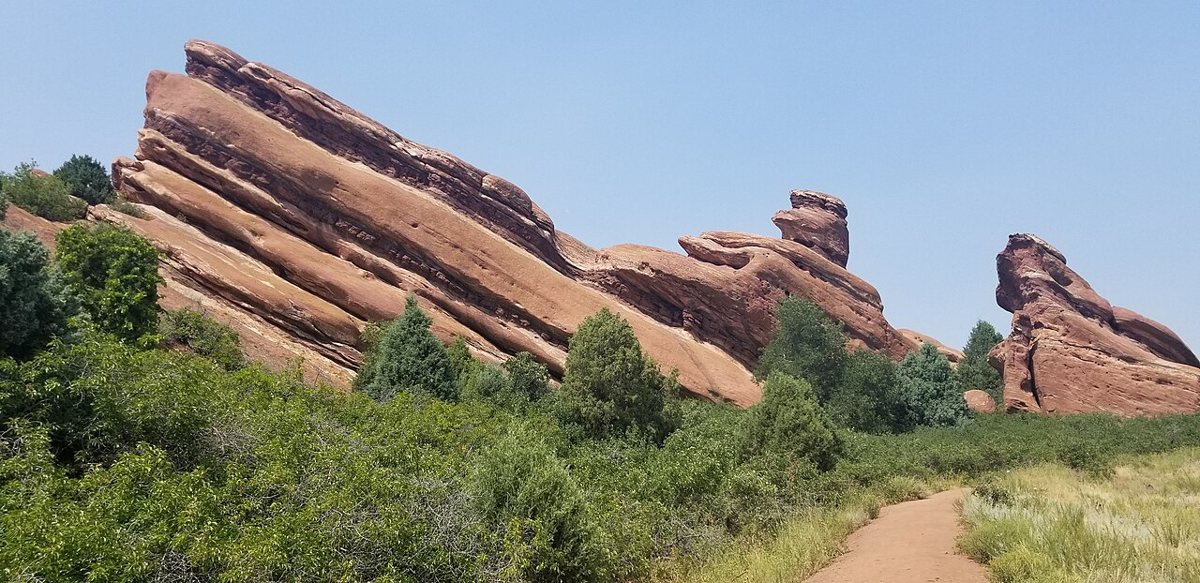
Everyone knows Red Rocks for the amphitheater and the concert calendar, but the park around it is a legitimate hiking destination on its own, separate from anything happening on stage that night. The Trading Post Trail loops through the sandstone formations themselves, an easy walk with enough elevation change to keep it interesting, past red rock walls that dwarf anyone standing under them. It's a good one for out-of-town family visiting who want scenery without much effort. Go before nine in the morning if you can. Tour buses and photo groups show up steadily through the day, and if there's a show scheduled that evening, parking and access get complicated closer to showtime. The park sits about fifteen minutes west of downtown off I-70 near the Morrison exit.

Mount Falcon Park
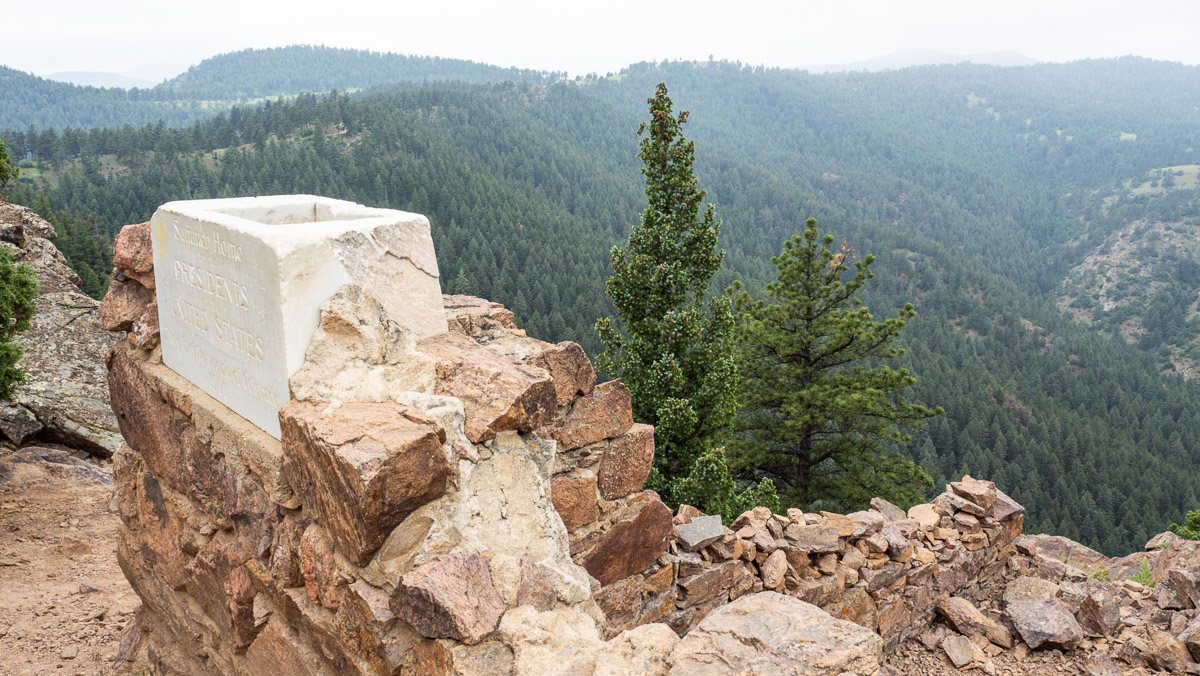
Mount Falcon holds the stone ruins of what was meant to be a summer home for U.S. presidents, a project abandoned after a fire in the 1920s, and the foundation walls still stand near the top of the park's main loop. The climb from the Morrison side is a genuine workout through ponderosa pine, with the parking lot there routinely full by mid-morning on weekends. The quieter approach is from the upper trailhead off Parmalee Gulch Road on the Indian Hills side, which shortens the climb to the ruins considerably and sees a fraction of the traffic. Either way, the payoff near the top is a wide view east across the plains, with downtown Denver a small cluster of towers in the distance. This is a hike where checking the weather matters, since the upper sections have little tree cover once you clear the ridge.

Deer Creek Canyon Park
Deer Creek Canyon is rougher and less photographed than its neighbors, which keeps the crowds thinner even though it sits close to the same corridor south of Denver near Ken Caryl. The trails climb hard right out of the gate, switchbacking up through rock outcrops and stands of pine, and the park shares its network with a serious contingent of mountain bikers, so stay alert on the tighter turns. Higher up, the trail breaks out of the trees onto rock benches with a clean view back down the canyon toward the plains, a payoff that feels earned given how steep the approach is. The small trailhead lot fills quickly on weekend mornings, but a weekday visit here often means having long stretches of trail to yourself, which is rare this close to the city. It's a park longtime locals recommend to friends who say the closer-in spots feel too crowded.
White Ranch Park
White Ranch sits on the ridge above Golden, a mix of open grassland and pine forest with views that stretch out over the plains in a way that surprises people who haven't been. The park has trailheads on both the north and south sides, with the south lot seeing more traffic, and loop options that range from a short couple hours to a full day depending on which trails you string together. Along the way you pass remnants of old homestead cabins, a reminder that this was working ranchland before it was open space. A small backcountry camping area serves anyone who wants an easy overnight without driving into the actual mountains. It's roughly thirty-five minutes from central Denver, just up the hill from Golden off Highway 93.
Chautauqua Park and the Flatirons, Boulder
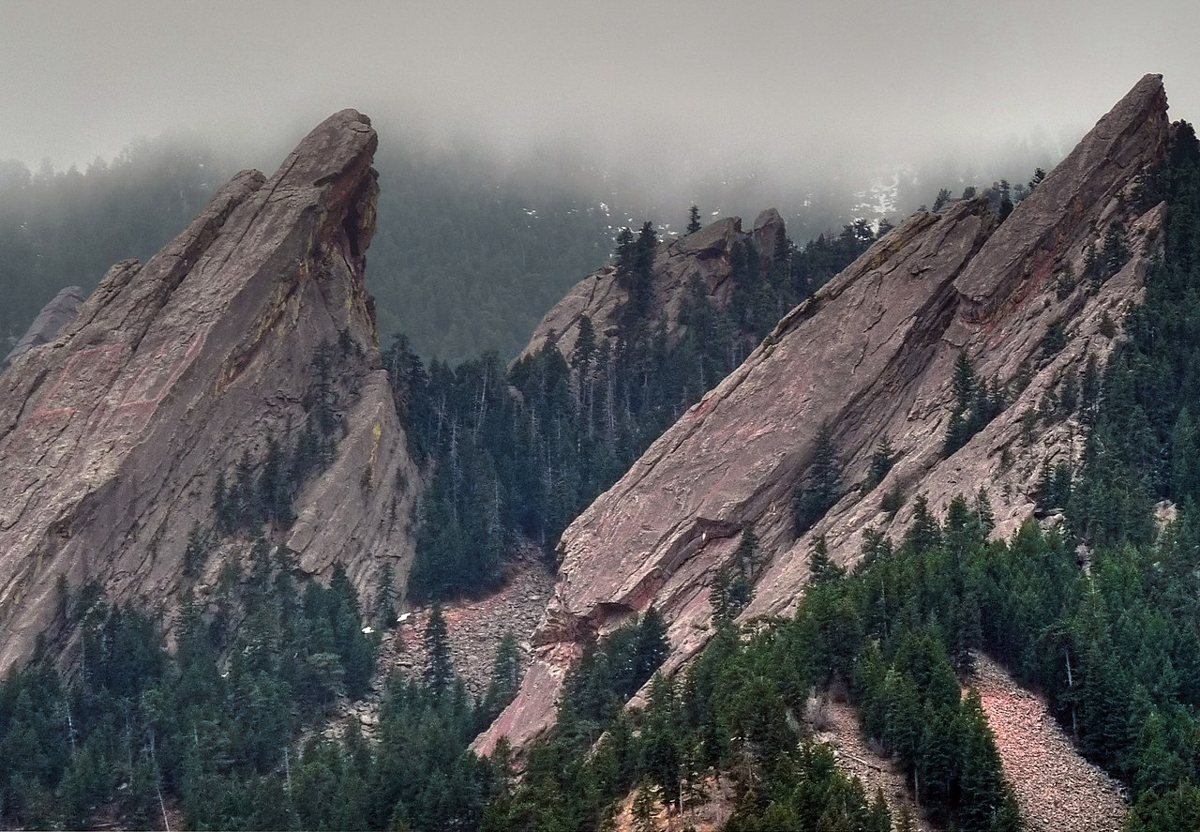
Boulder's signature hike starts at the Chautauqua meadow and climbs into the Flatirons, the tilted slabs of rock that show up in half the postcards of the Front Range. Routes here range from an easy stroll across the meadow to a serious climb up toward the Royal Arch or one of the numbered Flatirons themselves, so the effort level depends entirely on which trail you pick at the junction. Across town, Mount Sanitas offers a shorter but noticeably steeper loop that locals treat as a lunchtime cardio session more than a scenic outing. The Chautauqua parking lot is famously overwhelmed on weekends, often full before eight, so plan on the RTD bus routes that serve the trailhead directly or get there at first light. It's about forty minutes northwest of Denver on US 36.

State Parks Worth the Extra Drive
These sit a bit farther out, but the tradeoff is more varied terrain and longer trail options, with a noticeably lighter crowd than the closer-in foothills parks.
Golden Gate Canyon State Park
Golden Gate Canyon is a big park with a real network of trails through montane forest and several distinct trailheads, with enough elevation gain options to fill a whole day if you want one. The Panorama Point overlook is worth building a route around, with a wide view toward the Continental Divide and a broad stretch of peaks on a clear day. Effort varies a lot depending on which loop you choose, so check a trail map before committing. A state park pass is required here, day-use or annual, so factor that into the trip. Fall brings some of the better aspen color within driving distance of the city, usually peaking in the weeks around late September. It's about forty-five minutes from Denver through Golden on Highway 6.
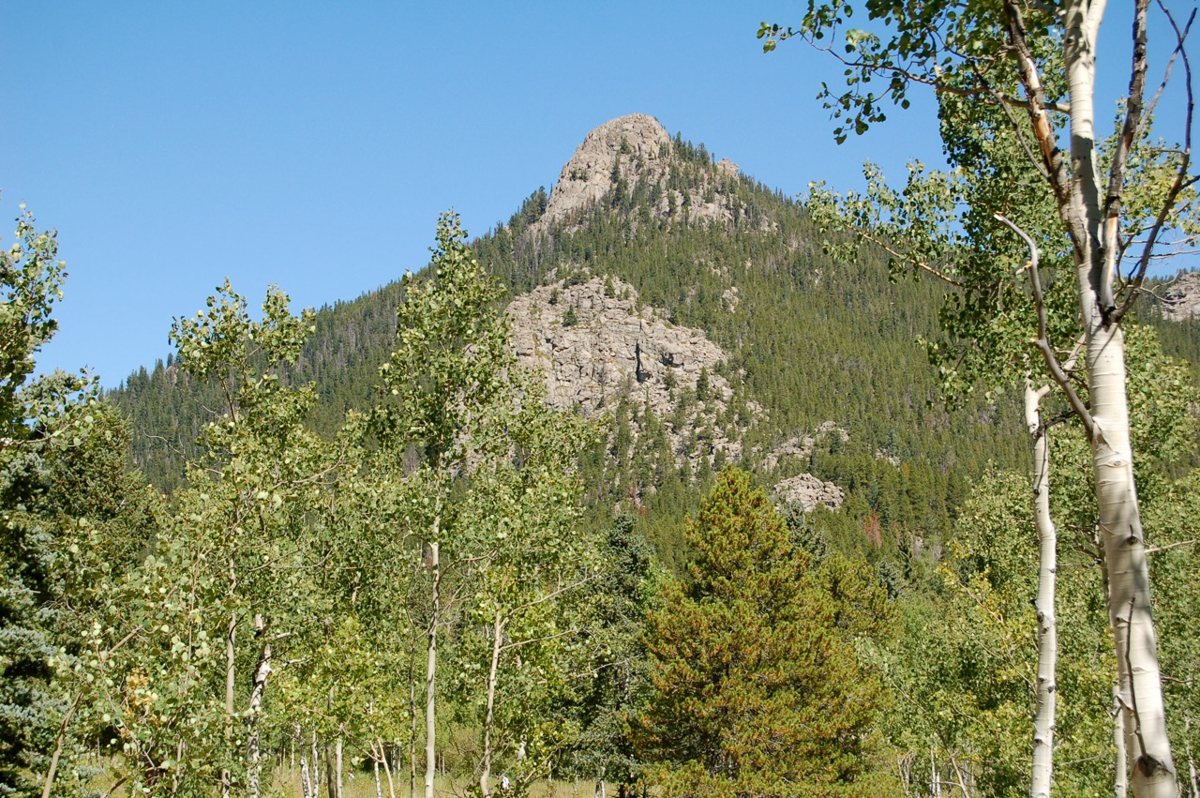

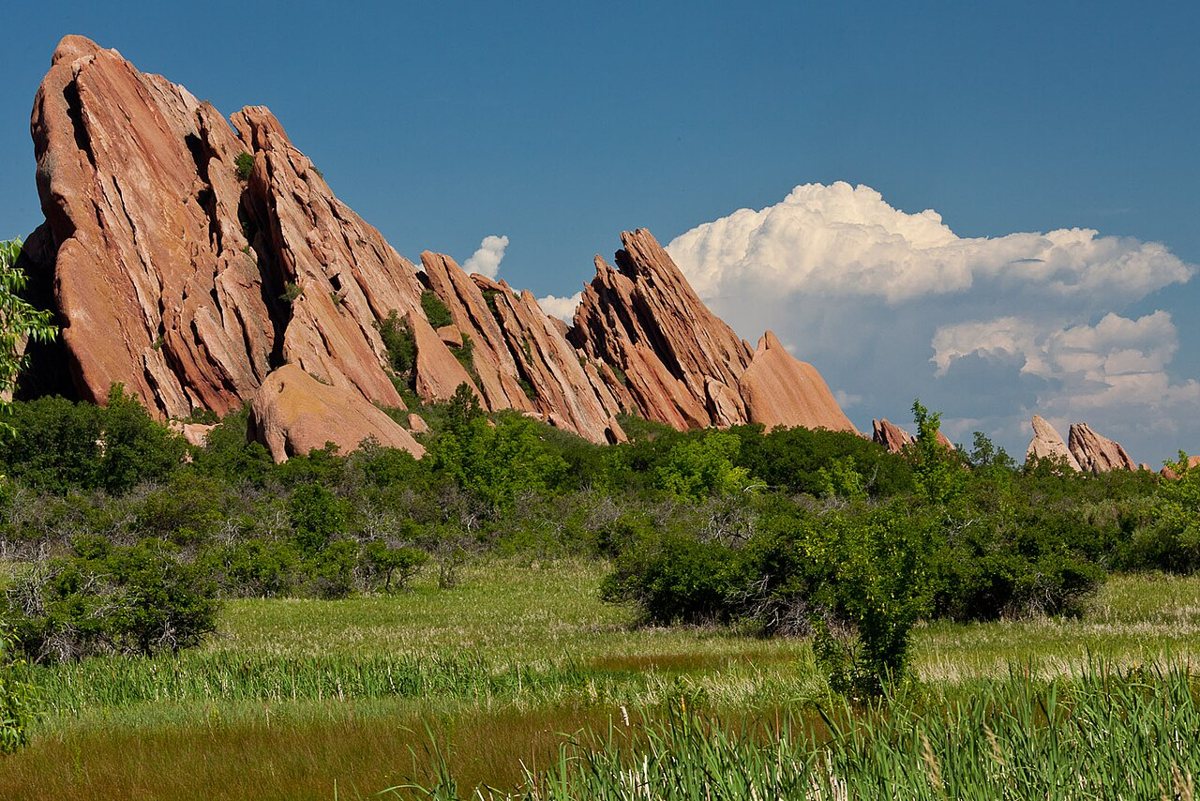
Roxborough State Park
Roxborough shares the same red rock geology as Red Rocks and Garden of the Gods farther south, tall fins and slabs rising out of the grassland, but the trails here are gentler, mostly easy to moderate loops winding among the formations rather than climbing over them. No bikes and no dogs are allowed anywhere in the park, a policy that keeps it quieter and also keeps the wildlife more visible, mule deer especially, and occasionally bighorn sheep on the higher slopes. The small parking area tends to fill by mid-morning on weekends, so an early start pays off. It sits south of Denver near Chatfield, easily combined with a stop at Chatfield State Park if you want water in the same trip.

Castlewood Canyon State Park
Cherry Creek carved this canyon southeast of the city, and the ruins of an old dam that failed decades ago still sit along the canyon floor, a genuinely strange thing to come across mid-hike. Trail options range from an easy walk along the rim, with views down into the canyon and out across rolling grassland, to a steeper drop down into the canyon itself past scrub oak and rock walls. Because this park gets less attention than the foothills parks closer to town, it stays quiet even on busy weekends, and the birdwatching along the creek is better than most people expect from a spot this close to the suburbs. Watch your footing near the old dam ruins, since the rock there is uneven and the drop-offs aren't always obvious. It's about forty minutes southeast of downtown near Franktown.
Staunton State Park
Staunton is one of the newer additions to the state park system, a large piece of land near Conifer with granite domes and cliffs, plus enough trail mileage to support a genuine half-day outing or longer. Rock climbers use parts of it too, so don't be surprised to see ropes on some of the taller formations. One of the longer routes leads to a waterfall, a good target if you want a destination rather than just a loop. A shorter, accessible trail near the entrance suits anyone who wants time outside without the bigger climb. Multiple parking lots serve different trailheads, and they fill up fast on summer weekends, so get there early. It's roughly an hour from Denver near Conifer.
Into the Alpine, When You Want the High Country
Here's where the terrain actually changes character. Everything in this section sits west of I-70, in the part of the map locals just call the mountains, and the hikes ask more of you than anything closer to the city.
Bergen Peak, Elk Meadow Park
The trail starts across an open meadow near Evergreen where elk are a regular sight at dawn and dusk, then climbs steadily through forest toward the summit of Bergen Peak. It's a genuine half-day workout, longer and more sustained than most of the foothills hikes closer to Denver, and a lot of locals use it specifically as training for bigger climbs later in the season. The upper mile or so switches through denser pine before opening onto rockier ground near the top, where the view stretches well past the city and out toward the plains on a clear morning. The Elk Meadow trailhead off Highway 74 has decent parking, though it fills up on nice weekends like everywhere else on this list. It's about forty minutes from Denver, and the town of Evergreen itself is worth a slow drive through on the way back for lunch.
Mount Evans, also known as Mount Blue Sky
Mount Evans is the closest true alpine experience to Denver, and it's worth being honest about what that means: real altitude and fast-changing weather on terrain that doesn't forgive a late start. The scenic road up, when it's open for the season, gets you into tundra territory where mountain goats and wildflowers share the same rocky ground, but there are also trails from lower trailheads for anyone who wants to earn the elevation on foot. Afternoon thunderstorms build fast above treeline, often by early afternoon in summer, so start absurdly early no matter which approach you take. Check current road status and fees before heading up, since access changes by season. It's genuinely the mountains out here, more than an hour southwest of Denver, and it has nothing to do with the resort towns people picture when they hear the word Colorado.
What to Know Before You Go
A few things trip up people who are new to hiking around Denver, most of them tied to elevation and weather rather than the trails themselves.
- Altitude: nearly everything on this list starts above 5,500 feet before you've climbed a single step. A distance that feels easy at sea level can wear you out here, so pace yourself on the first outing of the season and drink more water than feels necessary.
- Afternoon storms: summer thunderstorms build over the foothills most afternoons, and they arrive fast. Start early and keep an eye on the sky, then get off exposed ridges and summits well before clouds stack up.
- Basic gear: water, layers, sun protection, a paper map or offline map on your phone, a headlamp if there's any chance you're out past dusk, and a way to treat a minor injury. None of it needs to be fancy, but bring it every time, even on a trail you've done a dozen times before.
- Parking passes: county open space parks are often free, but several of the state parks require a day-use or annual pass. Check current fees before you go, since they change.
- Dogs: rules vary a lot by park. Roxborough bans dogs entirely, others allow leashed dogs only, and a few have off-leash sections. Look it up before loading the car.
- Timing: weekend trailhead lots at the popular spots fill by mid-morning, sometimes earlier. If you want a parking spot and a quiet trail, get there at first light.
- Trail courtesy: yield to uphill hikers on narrow sections and give mountain bikers a wide berth on the multi-use trails, and step aside for horses. Most of these parks share the same paths among several kinds of users, and a little patience keeps it that way.
If you'd rather spend the back half of the day somewhere with a chair and a drink, Denver has plenty of places to sit and refuel once you're back down and cleaned up.
None of this makes Denver a mountain town in the Aspen or Vail sense. Those towns sit a couple of hours farther west, built around chairlifts and hotel taxes, and they run on an entirely different calendar than this city does. What Denver actually has is proximity: a short merge onto the highway and city noise gives way to ponderosa within twenty minutes. That's the real advantage, and it explains why the crowd at Green Mountain looks the way it does on an ordinary Tuesday morning. Nobody drove two hours for that. They just left the office a little early.
Pick two or three of these and rotate them through the year instead of trying to knock out the whole list at once. The lower foothills parks turn brown and hot by August, which is when Staunton and Golden Gate Canyon, sitting higher and holding more tree cover, start to make more sense. By October, Deer Creek Canyon and Mount Falcon carry some of the better aspen color inside the metro area. Come spring, Roxborough and Red Rocks green up first, weeks before anything higher holds a stable trail. There's a rhythm to it once you've lived here a while, and figuring that rhythm out is most of the fun.