Best Coffee Shops in Denver Worth the Trip
Denver's coffee scene has outgrown the drive-thru, and the best cups now come with a roaster in the back room and a barista who knows the altitude.
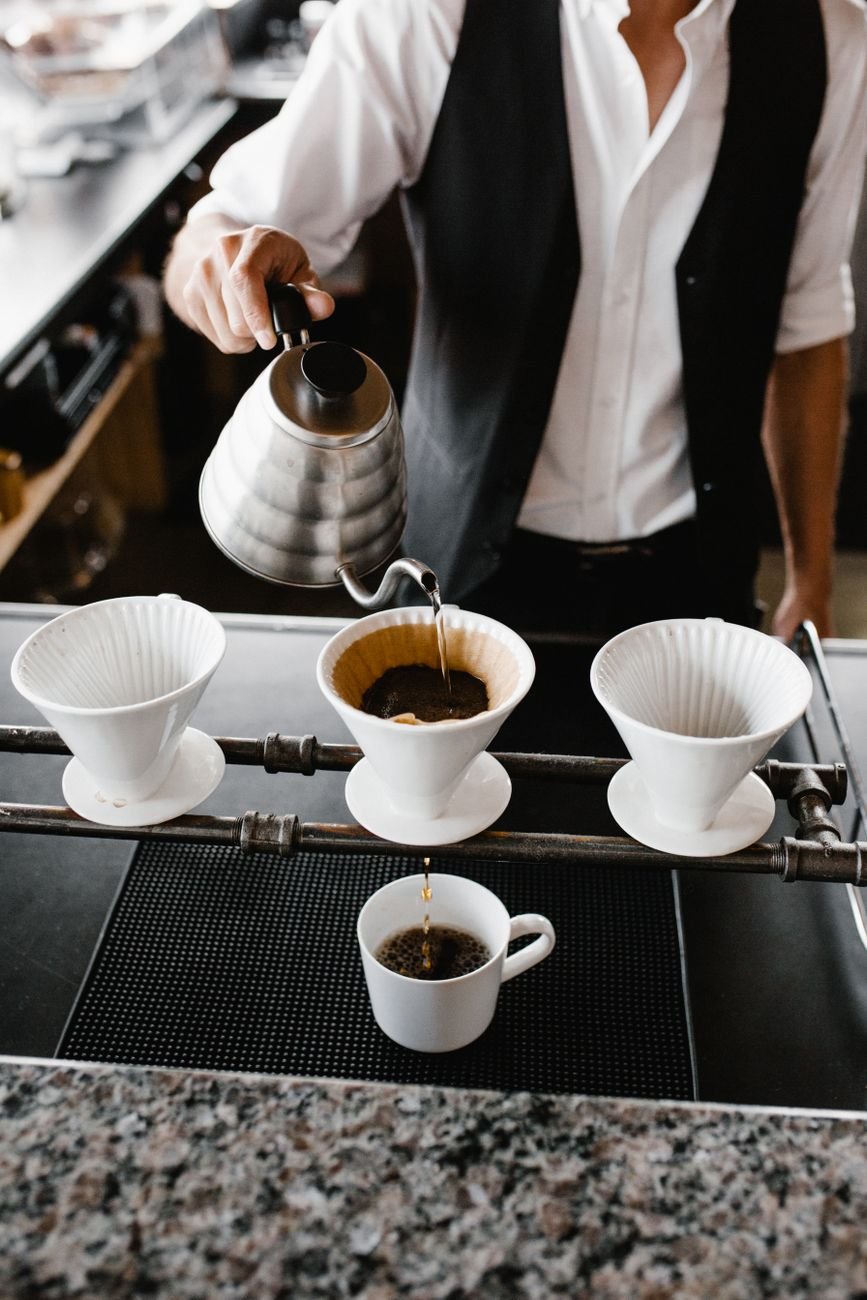
The espresso machine hisses at 7:15 a.m. and somebody's dog is already tied up outside, patient, watching the door. This is the rhythm of a Denver morning in half the neighborhoods worth knowing, and it hasn't got a thing to do with a chain drive-thru. If you're building a real list of the best coffee shops in Denver, you start by ignoring the places with a single flavor of coffee and a mile-long line of idling cars, and you start paying attention to the ones roasting beans on-site, dialing in pour-overs by hand, and building a patio culture that runs from April through the first snow.
Denver earned this coffee identity the hard way, roaster by roaster, mostly in old warehouse space that used to hold something industrial. RiNo did this first and did it loudest. The neighborhood's brick shells and garage doors turned out to be perfect for roasting operations that wanted room to work and a wall to open up when the weather cooperated. Walk into one of these spots on a Saturday and you'll hear the roaster running in back while the counter staff pull shots up front, which is the whole appeal in a sentence: you're drinking something made twenty feet from where you're standing.
What makes the best coffee shops in Denver worth the trip
Altitude changes coffee in ways that matter more here than in most cities. Water boils at a lower temperature above 5,000 feet, so extraction has to be adjusted or the shot comes out flat and underdeveloped. Roasters who've been at this a while in Denver bake that into their process: slightly different roast profiles, different dial-ins on the espresso machines, baristas who've learned the local water and the local air rather than importing a coastal recipe wholesale. That's part of why the best coffee shops in Denver taste distinct from a cup pulled in Seattle or Austin, even with identical beans. The other part is single-origin sourcing. A shop that can tell you which farm in Ethiopia or which co-op in Guatemala your beans came from, and can walk you through why that lot gets roasted lighter to preserve its acidity, is a shop that cares about the cup more than the throughput.
Highland and LoHi built their own version of this culture a little earlier and a little quieter, tucked into converted bungalows and old commercial buildings along 32nd and Tejon, where a walkable strip means people linger instead of grabbing and running. Baker's stretch of South Broadway does something similar with a scrappier, more bohemian energy, vintage stores and record shops next door to a counter that's roasting its own beans and not making a big deal about it. Five Points has its own coffee history worth respecting, rooted in the neighborhood's jazz-era legacy and carried forward now by shops that treat the space as a genuine community room, not just a place to caffeinate before work.
Ordering like you know what you're doing
A pour-over is the move if you want to taste what the roaster is actually going for. It's slower, it costs a little more, and the barista pouring it is going to hover for a few minutes making sure the bloom happens right. That's the point. If you're short on time, a well-pulled espresso still tells you most of what you need to know about a shop's standards. A shot should be balanced, not bitter, with real crema, and a barista who takes pride in the pour will notice if it's off and pull another one without you asking.
- Ask what's on the current single-origin rotation before defaulting to a house blend
- Order a cortado or cappuccino if you want to taste the espresso without the milk drowning it
- Cold brew in summer is usually a different bean than the hot menu, worth asking about
- A shop proud of its roast will usually have a bag of beans for sale near the register, which tells you they stand behind it
Work-friendly versus quick-cup
Not every good coffee shop wants you camped out with a laptop for four hours, and that's fine — there's a real difference between a shop built for lingering and one built for the walk-up crowd. The work-friendly spots tend to have communal tables, reliable outlets, and a staff that's used to the rhythm of people settling in with a book or a laptop for the long haul, the way you'd expect near a place that also shows up on any list of a good brunch spot where people stay for a second cup. The quick-cup places are built differently: narrow counters, a line that moves fast, regulars who don't even have to order out loud anymore. Neither is better. It depends on whether you're settling in or just fueling up before a hike.
Patios, seasons, and the outdoor habit
Denver's patio culture isn't incidental to its coffee scene, it's central to it. With a famously sunny, dry climate, shops that have any outdoor space at all lean into it hard, and locals plan their coffee runs around which patio catches morning light versus which one holds shade into the afternoon. This is where the mountain-adjacent identity shows up even in something as ordinary as a coffee order — people compare notes about a shop's patio the same way they compare trailheads, and a cold morning with steam coming off a cup outside is treated as a feature, not a hardship. Winter thins the patio crowd out, but it rarely empties the shops themselves; if anything the work-friendly spots get fuller once outdoor seating stops being an option.
What ties the whole scene together, from RiNo's warehouse roasters to the Baker storefronts to whatever quiet spot is doing its own thing in Sunnyside, is a refusal to treat coffee as an afterthought bolted onto a bigger business. These are shops run by people who roast, cup, and adjust constantly, who'll tell you honestly if today's batch is having an off day, and who built their whole operation around getting a cup right rather than getting a cup out fast. That's worth the drive across town, and it's worth building a Saturday morning around, whether you end up on a patio in the Highlands or at a communal table in RiNo with a pour-over going cold because the conversation got good.
Start with one roaster you've never tried and order whatever they're proudest of that week. If the morning turns into a longer wander, chase it with an afternoon out in the city and let the neighborhood decide the rest. The best cup here is rarely the one you already know.