Where to Eat in Rino You'll Actually Love
RiNo's food scene has outgrown its warehouse-district origin story. Here's how to actually eat well there without getting lost in the noise.
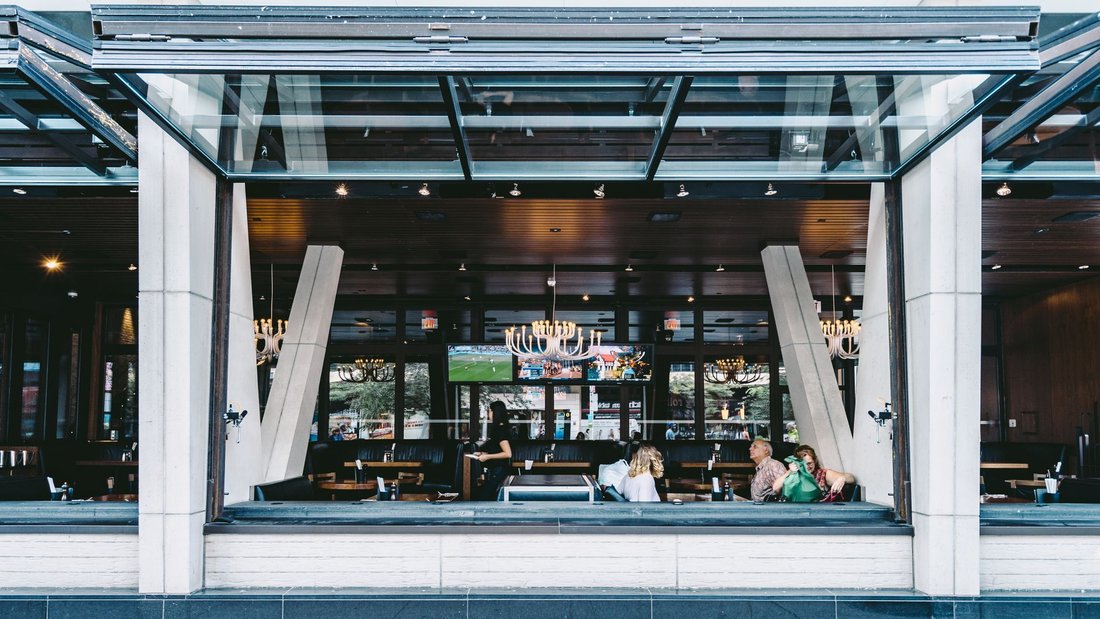
The lunch crowd at a RiNo food hall on a Tuesday looks exactly like you'd expect: a project manager in Patagonia, two people from the design studio down the block, a bike messenger who parked outside. The murals on the building across the alley are fresh enough that the smell of aerosol hasn't quite left. That's the thing about the River North Art District — it keeps moving, and the food keeps moving with it. Figuring out where to eat in RiNo means accepting that the answer changes fast, even when the underlying logic doesn't.
This isn't a neighborhood you wander into by accident. It sits north of downtown, roughly between Brighton Boulevard and the South Platte River, and it announced itself loudly when the warehouses started getting tagged and then started getting leased. The galleries came, the breweries followed, and eventually the restaurants caught up. Some of them are exceptional. A lot of them are trading on the same exposed-brick aesthetic. Knowing the difference is the whole game.
Where to Eat in RiNo: How to Read the Neighborhood
RiNo's food geography breaks into a few distinct modes. There are the food halls, which operate on the Denver food hall model — multiple concepts under one roof, usually a full bar, communal seating, good for groups with different appetites. There are the standalone warehouse restaurants, which tend to run louder and larger than their square footage suggests. There are the breweries with serious kitchens. And there's a scattered handful of smaller spots that don't fit any of those categories and are usually the most interesting.
The food halls are a reasonable starting point if you don't know the neighborhood yet. Denver has embraced the format enthusiastically, and RiNo has some of the better executions in the city. The trick is treating them like a market rather than a restaurant: split up, get different things, compare. Most have at least one vendor doing something with green chile worth ordering. Bison on a menu is usually a signal that the kitchen is thinking about Colorado food specifically rather than just replicating a concept that could exist anywhere.
Brewery kitchens in RiNo range from afterthoughts to genuine destinations. Denver's brewery culture is serious — this city has more breweries per capita than most, and the people running them know it — so the better taprooms have invested in food that can hold its own. Look for places where the kitchen menu is longer than one page and the staff can actually talk about what's on it. A well-made Colorado lamb burger with a cold IPA brewed on-site is one of the better simple pleasures the neighborhood offers. The RiNo taproom scene rewards some research before you show up hungry.
What to Order, Generally
Green chile is the test. Every competent kitchen in Denver has a version, and the RiNo restaurants are no different. The question is whether they're making their own or pouring from a bag. A good green chile — roasted Hatch or Pueblo peppers, pork shoulder, the right amount of heat — has a particular depth that the shortcut versions don't. Order it on eggs at brunch, on a burger, or as a side bowl. If it tastes flat, it probably is.
Palisade peaches show up seasonally and the good kitchens use them hard, in salads, in cocktails, occasionally in desserts. During peak summer, pay attention to what's using local stone fruit. Same goes for Colorado lamb, which appears more often in this part of the city than in most — it tends to show up in preparations that let the meat carry the dish rather than burying it.
Brunch in RiNo is a contact sport. The weekend crowds along the central corridors are real, and the waits at popular spots can push past an hour. The pragmatic move is to eat before noon, go north of the main strip, or commit to a weekday. The food isn't meaningfully better for having waited ninety minutes in the sun.
A Few Practical Notes
- Parking in RiNo is genuinely annoying. The neighborhood was not built for cars, and the surface lots fill early on weekends. Bike or rideshare if you have flexibility.
- Many of the warehouse restaurants run loud. Not the kind of loud that's atmospheric — the kind where you're reading lips by the second drink. If that matters to you, ask for patio seating or check whether the spot has a quieter section.
- Happy hour is taken seriously here. Most of the brewery kitchens and several of the standalone restaurants run meaningful discounts from mid-afternoon into the early evening. That window, 4 to 6 on a weekday, is the neighborhood at its most functional.
- The food halls typically close earlier than you'd expect. If you're thinking about a late dinner, confirm hours before you go.
How RiNo Fits Into the Larger Denver Food Conversation
Capitol Hill has its late-night spots and its dive bars with surprisingly good wings. Baker runs indie and a little scrappier along South Broadway. Cherry Creek skews polished and expensive. RiNo sits somewhere between ambition and chaos — a neighborhood that arrived fast and is still sorting itself out, which means the range of quality is wider than in areas that have had longer to settle.
That's not a complaint. The upside of a neighborhood in motion is that genuinely interesting restaurants still open there because the rents and the energy make it viable. The downside is that plenty of mediocre ones open for the same reason. The broader Denver food scene has gotten more selective, and RiNo is where that selectivity gets tested most visibly.
The reliable filter: walk past the first two or three options near whatever you Googled. The places that have survived a few years in RiNo, that have regulars who live nearby and aren't just there for the mural backdrop, are almost always better than the ones optimized for foot traffic. What to look for: a kitchen with a small menu that changes. A bar program that reflects some actual thought. A room where at least some of the people eating there know exactly what they ordered and why.
RiNo will keep changing. The next warehouse will get converted, the next mural will go up, the next concept will open. The food, at its best, is worth making the trip for — just come with some patience and a plan that has a backup.