Best Italian in Rino Worth the Trip
RiNo's warehouse-and-brewery identity makes it a tricky neighborhood for serious Italian cooking. Here's how to navigate the district and find a plate worth lingering over.
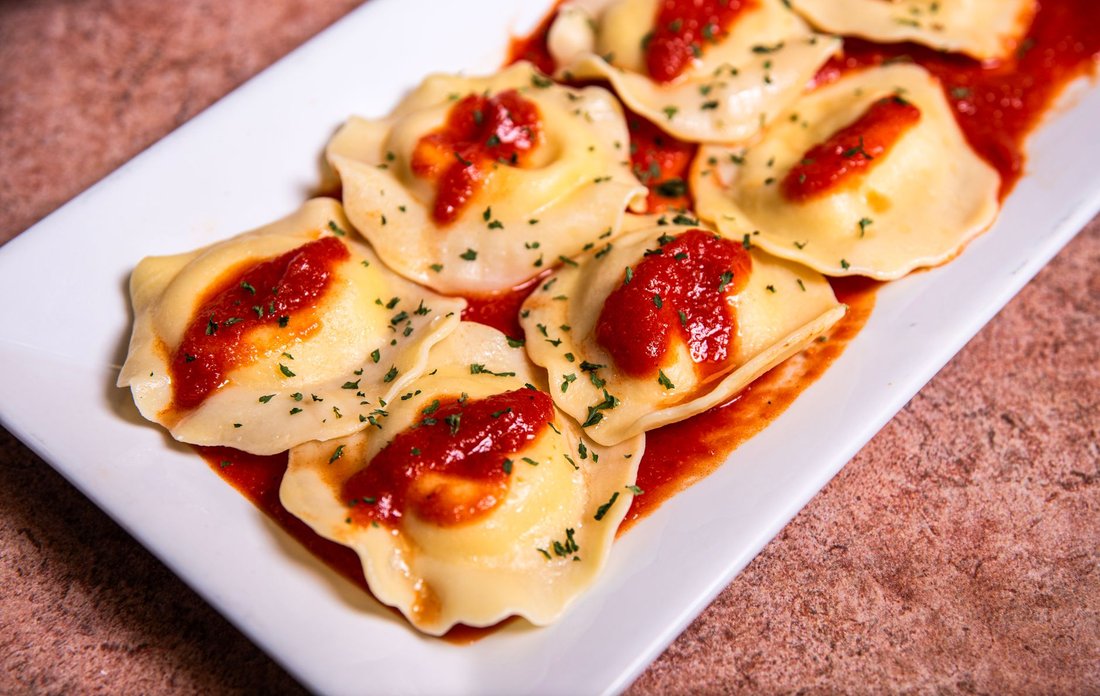
Hunting for the best italian in rino takes a little more context than a Google Maps tap. The cranes have been up in the neighborhood long enough that locals have stopped noticing them. A corridor of auto-body shops and cold-storage warehouses along the South Platte has, over about fifteen years, turned into one of Denver's most reliably loud Friday nights: murals on every loading dock, tap rooms where the concrete floors still show the ghosts of industrial drains, lines for brunch stretching past gallery signage nobody is looking at. The neighborhood moves fast and eats casual. So when you want a serious plate of pasta, the question isn't only which kitchen is doing it right. The question is whether RiNo is even the right zip code for what you're craving.
What Makes the Best Italian in RiNo Worth the Detour
Italian food in a brewery district lives under specific pressure. The room is usually loud, the wine list competes with a twenty-tap wall, and the kitchen has to decide early whether it's cooking for the neighborhood's late-night energy or for the table that wants to sit for two hours and work through a bottle of Barolo. The places worth your time in RiNo, or anywhere in Denver, are the ones that have made that decision clearly and stuck with it.
Look for pasta made in-house, which you can usually confirm by asking or by watching the kitchen window if there is one. Fresh pasta in Denver's dry climate is genuinely harder to execute than at sea level. The dough dries differently and resting times shift, so a kitchen that bothers is signaling something about its priorities. Look also at the sauce-to-pasta ratio. American-inflected Italian tends to drown the noodle; the better approach lets the pasta carry flavor and uses sauce as seasoning. A cacio e pepe or a simple aglio e olio is a sharper test of a kitchen's fundamentals than a maximalist bolognese buried in cheese.
Bread service matters more than people admit. A basket of decent focaccia or a real sourdough with good olive oil tells you whether the kitchen is sourcing thoughtfully or ordering from the same restaurant-supply catalog as everyone else on the block.
How to Eat Italian in a Brewery Neighborhood
RiNo's food scene skews toward shareable plates and high-concept cocktails, which actually pairs reasonably well with antipasti and small-format pasta. The Italian aperitivo tradition of a drink, some olives, and a little charcuterie before the main event maps naturally onto how the district eats. If a spot offers a proper negroni or an Aperol situation alongside its food menu, that's not a bad sign. It suggests someone in the room cares about the Italian side of things and not just the brew-pub-adjacent vibe.
The danger in RiNo is the kitchen that does Italian as a style gesture rather than a culinary commitment. Exposed brick, a chalkboard of imported cheese, burrata on every menu in Denver right now, none of that is evidence of cooking skill. Burrata is imported and hard to ruin. What happens after the burrata is what counts.
For a full Italian dinner with room to breathe and a more developed wine program, the blocks around LoHi and lower Highland, a short rideshare or a walkable stretch depending on where you land in RiNo, have historically supported the kind of sit-down Italian dining that needs quieter acoustics and a longer ticket time. That's not a knock on RiNo, it's just how neighborhood character shapes what a kitchen can do. For serious Italian dining across the river in LoHi, the options and the price points both climb.
What to Order When You Find It
Assume you've done your homework, read a few recent reviews, and landed somewhere in RiNo that people who cook for a living seem to like. Here is what to actually order, and why.
- A stuffed pasta over a flat pasta on the first visit. Tortellini, agnolotti, or anything with a filling tells you whether the kitchen's dough is properly hydrated and whether the filling was seasoned at the paste stage rather than corrected with salt at plating.
- A tomato-based sauce over a cream sauce. Good tomato with restrained technique shows confidence. A cream sauce can paper over a lot of mediocrity.
- The house-cured or house-made charcuterie if it's listed. Denver has good producers, and a kitchen tapped into that supply chain is paying attention to what's around it.
- A contorno, a simple vegetable side. Roasted broccolini or a wilted bitter green with olive oil and lemon is a better tell than the protein. If the kitchen treats vegetables as an afterthought, it will show here.
Skip the Denver omelette joke. Nobody who grew up here thinks it's funny, and nobody who eats Italian well is ordering eggs anyway.
When RiNo Is and Isn't the Right Call
RiNo works for Italian when you want energy alongside your food, when you're eating earlier in the evening before the bar crowds arrive, or when you're already in the neighborhood for a gallery opening or a show and want to eat without crossing town. It is not the obvious first call for a long anniversary dinner or a table where someone wants to talk quietly over a second bottle of wine.
The district is genuinely interesting food terrain right now, with kitchens experimenting at a pace other Denver neighborhoods don't match. For a broader survey of Italian cooking across Denver, the options outside RiNo round out the picture. But a motivated kitchen in a converted warehouse, with good sourcing and cooks who make their own pasta, can hold its own against anything in Cherry Creek or downtown. You just have to know what you're walking into. Go early. Sit at the bar if the bar faces the kitchen. Order the stuffed pasta. Ask what's fresh that week. That's how you eat Italian well in RiNo, or anywhere else in this city.