Where to Eat in Lodo You'll Actually Love
LoDo has the highest concentration of restaurants in the city and the highest concentration built for people who will never eat there twice; here is how to tell the difference before you sit down.
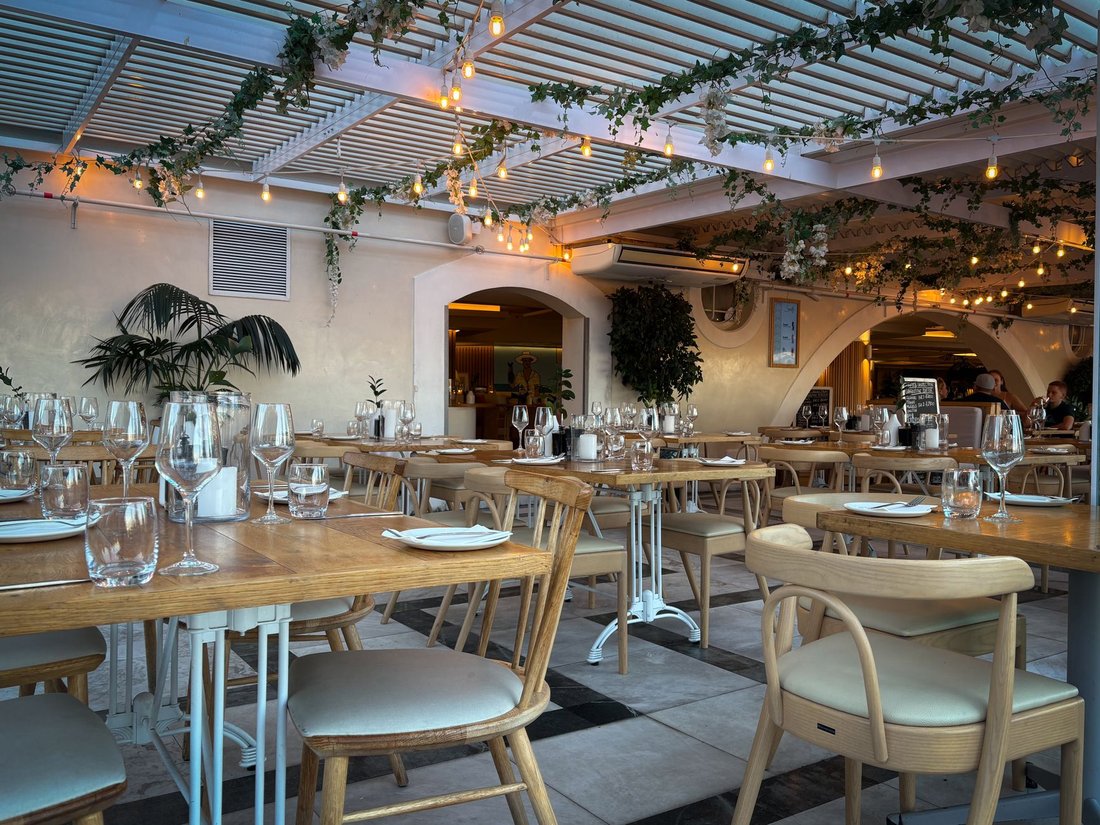
The brick on Wynkoop Street holds the day's heat until well after the sun drops behind the Front Range, and by six o'clock on a Rockies night the sidewalks between Union Station and Coors Field fill with a specific kind of foot traffic: purple jerseys, stroller wheels catching on cobblestone, a line forming outside whatever place has a patio and a hostess stand visible from the street. Deciding where to eat in LoDo on a night like that is harder than the crowds make it look. This is the district working exactly as it was built to work when the old warehouses got reroofed and repointed instead of razed in the 1990s. The trouble for anyone who actually lives here, or wants to eat like they do, is that the neighborhood's biggest asset, its density, is also what makes it easy to end up at a restaurant built for turnover instead of flavor. Settling for a laminated menu and an overpriced margarita is the default outcome unless you walk in with a little strategy. The neighborhood rewards the effort.
Where to Eat in LoDo: Read the Block, Not the Menu Board
LoDo isn't one restaurant district, it's three stitched together, and each behaves differently. Union Station anchors the west end with soaring ceilings and a mix of counter service and sit-down spots built into a working transit hub. Larimer Square, a few blocks east, is the oldest commercial block in the city, its cast-iron facades restored rather than replicated, and it leans toward restaurants with actual histories and chefs who've stuck around. The blocks nearest Coors Field, especially along Blake and Market, exist largely to feed a stadium crowd on a schedule, which means the food is often an afterthought to the beer taps and the big screens. Knowing which zone you're standing in tells you more about what's on the plate than any online review will.
Union Station Isn't Just a Food Hall
The Great Hall gets treated like a food court by visitors passing through on their way to a train, but the restaurants ringing it include some genuinely serious kitchens, not just grab-and-go counters. The trick is timing: arrive during a normal meal window rather than the after-work rush, and you'll get a table without the twenty-minute wait that builds up around commuter hours. It's also one of the few pockets of LoDo where a solo diner at the bar doesn't feel like an afterthought, which matters if you're eating on a work trip or just don't want to make a production of dinner.
Larimer Square Rewards Patience
This block gets written off by some locals as tourist territory because of the string lights and the horse-drawn carriages that idle there on weekends, but that undersells it. The restaurants here have real rents to cover and real regulars to keep, which pushes the good ones toward consistency instead of gimmick. Look for places with a wine list that changes seasonally, a bar staff that knows the menu without reading off a card, and a dining room that isn't performing for photos. A reservation on a Friday night is worth making a day ahead; a walk-in on a Tuesday will get you a table and better attention from the kitchen.
Game Days Change Everything
Nothing scrambles the LoDo dining map like a first pitch. The blocks directly around Coors Field turn into a controlled crowd surge two hours before game time and stay loud until well after the last out, and restaurants in that immediate radius adjust their menus and their patience accordingly. If you want an actual meal rather than a beer-and-nachos pit stop, eat before 5:30 or plan for after 9, or shift a few blocks north toward the edge where LoDo bleeds into RiNo, where the crowd thins and kitchens have room to cook rather than just serve.
Order Like Someone Who Lives Here
Colorado's kitchen identity shows up clearly if you know what to ask for. Green chile, whether it's the red version or ordered Christmas style with both red and green, belongs on more than eggs, and a kitchen that makes its own instead of pulling it from a can is worth noticing. If a bowl of proper Colorado green chile is what you're after, LoDo will serve it to you, but the good version takes a little hunting past the ballpark blocks. A bison burger done well tastes leaner and more mineral than beef, not just novel, and a menu that treats it as a headline item rather than a gimmick is usually a good sign about the rest of the kitchen. Colorado lamb shows up on better dinner menus in the fall, and it's worth ordering over a safer cut if it's listed. Skip the Denver omelette entirely; it's a name more than a regional dish, and ordering it in LoDo marks you as a visitor faster than a map in your hand.
- Ask the bartender, not the host, where they eat on a night off
- Order green chile as a sauce, not a side, if the kitchen makes its own
- Save the ballpark blocks for beer and a quick bite, not a real dinner, on game days
- Look for Palisade peaches on late-summer dessert and cocktail menus
Beer deserves its own strategy here too. LoDo has more taprooms per block than almost any district in the city, and the difference between a bar that pours good beer and a brewery that makes its own is worth knowing before you sit down. Denver takes its brewing seriously enough that a LoDo taproom actually brewing on site isn't hard to find if you walk a block off the main strip, and the same walk-a-block instinct pays off in the neighboring RiNo dining scene just north of the district. The same logic applies to food: a short walk away from the busiest corner usually buys a better meal and a shorter wait.
None of this requires insider knowledge or a local's phone number, just a willingness to walk past the first open table. LoDo's density means the mediocre and the excellent sit within sight of each other on nearly every block, and the difference usually comes down to whether a kitchen is cooking for the neighborhood or for the next tour bus. Pick the former, and the historic brick, the crowd noise, and the ballpark lights overhead start to feel less like a tourist backdrop and more like the reason to be there in the first place.