Best Italian Restaurants in Rino: A Local's Guide
RiNo built its identity on murals and craft beer taps, not red-sauce joints, which makes the Italian food here worth paying attention to.
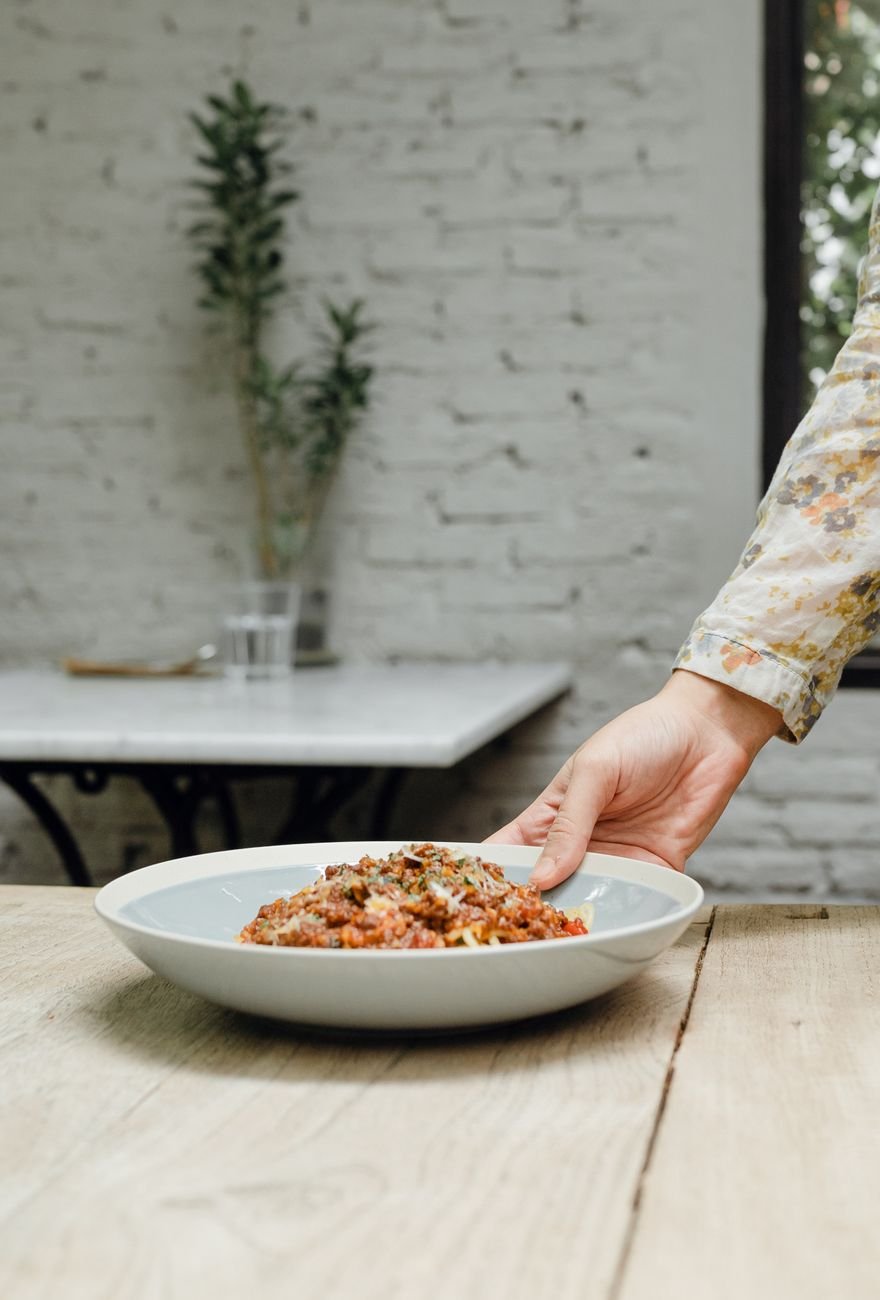
Drive down Brighton Boulevard on a Tuesday evening and you'll pass loading docks that now host gallery openings, a grain elevator wearing a mural the size of a gymnasium, and three lines of people waiting for tables that didn't exist five years ago. RiNo doesn't pause for anyone. Somewhere inside that churn, the best italian restaurants in rino have taken root, not the checkered-tablecloth kind, not the tourist-facing kind, but the kind that earns repeat business from the people who live in Sunnyside and Five Points and walk over on a Friday. Expect a small, confident collection of spots that treat the cuisine as seriously as the breweries next door treat their IPAs.
Why Italian Food Works in RiNo
The neighborhood sets the tone. The dining rooms here tend to be loud, open, and industrial in a deliberate way: exposed ductwork, concrete floors, windows cut into brick. Italian food, at its core, is loud and communal too, built on shared plates, long meals, and wine poured generously. The match is more natural than it looks on paper.
A few things separate a good Italian restaurant in any neighborhood from a forgettable one. Pasta made in-house, ideally that day. Sauces that taste like they were tended, not opened from a can. A wine list that goes past the obvious Chianti and Pinot Grigio. And sourcing that reflects where you actually are, with Colorado lamb on the menu in winter and Palisade peaches showing up in a dessert when the Western Slope harvest arrives in late summer. The best Italian kitchens in RiNo aren't trying to replicate a Roman trattoria. They're cooking Italian the way Denver cooks everything: with one eye on tradition and the other on what's coming off a local farm this week.
Finding the Best Italian Restaurants in RiNo
The district is walkable if you're parked near the 38th and Blake light rail station, and that station sits close enough to the heart of things that you can cover the main dining corridor on foot. A few practical notes before you go:
- Reservations matter more here than in most Denver neighborhoods. The Italian spots here tend to be small, intimate by design or by the limitations of a converted warehouse space. Walk-ins work on slower weeknights, but Friday and Saturday without a booking is a gamble.
- Ask about the pasta situation. House-made fresh pasta and dried pasta are not interchangeable, and neither is better by definition. A kitchen that does great dried rigatoni and knows it is more trustworthy than one that claims everything is hand-rolled but rushes it.
- Don't sleep on the aperitivo hour. Several Italian-leaning restaurants in RiNo run a pre-dinner spritz or negroni program that reflects real Italian bar culture. Arrive early, and if the bar is doing something interesting, sit down and let the kitchen wake up.
- Sharing is still how Italian food is meant to be eaten. Order a spread. Antipasti, a couple of pastas split between two people, an entrée if the table is hungry. The restaurants that design their menus around this tend to be the ones worth returning to.
Where RiNo's Italian Scene Excels
The neighborhood's influence shows up in what these kitchens choose to emphasize. Charcuterie programs that take cues from Colorado's growing cured-meat culture. Wood-fired preparations, often built around ovens that came with the industrial space or were installed specifically because the room called for them. Natural and minimal-intervention Italian wines on lists that someone clearly chose rather than pulled from a distributor's default sheet.
Colorado ingredients make appearances in ways that feel earned rather than forced. Green chile doesn't usually show up here, since this isn't Tex-Mex adjacent territory, but bison, Colorado lamb, and seasonal produce from the San Luis Valley and the Western Slope do. An Italian kitchen in RiNo that ignores what's growing two hours away is leaving something on the table.
The neighborhood also draws a crowd that knows what it's eating. The residents and regulars here have spent years eating well, at the district's breweries that started serving serious food alongside their beer, at the ramen shops and taco counters and farm-to-table rooms. The Italian restaurants here don't have to educate anyone on why fresh pasta costs more. That conversation, like the rest of Denver's Italian scene, has already had years to mature.
Pairing Italian Dinner with a RiNo Night Out
The logical move is to build a night around the food. Dinner at one of the Italian spots, then a walk to one of the brewery taprooms for something on draft, or into a gallery still open into the evening, several of which stay lit until nine or ten on weekends. The district is designed, intentionally or not, for exactly this kind of loose itinerary.
Coming from outside the neighborhood, the light rail connection from Union Station makes the trip easy. Parking along the Brighton Boulevard corridor tends to open up after six. Come hungry and plan on staying a while.
A Few Things Worth Ordering
Without naming specific restaurants, because menus change and kitchens evolve, some categories reliably separate the good Italian from the mediocre in this neighborhood:
- Handmade pasta with a short ingredient list. Cacio e pepe, carbonara, aglio e olio. These dishes have nowhere to hide. A kitchen that executes them cleanly is telling you something real about its skill level.
- Offal and underdog cuts. Italian cooking has never been shy about the whole animal. A restaurant brave enough to put chicken livers or tripe on the menu in a neighborhood that will order it is worth your attention.
- The bread situation. A kitchen that serves forgettable bread usually has other shortcuts. Good bread, made in-house or sourced from somewhere specific, signals that the kitchen cares about the full experience.
- Seasonal desserts. In late summer, Palisade peaches should be somewhere on the menu. A panna cotta or semifreddo that reflects the actual season is a better sign than a tiramisu that never changes.
The dining scene here moves fast. Restaurants that were definitive eighteen months ago have been replaced by something new. The Italian spots that have built real followings in the district earned them the slow way, by cooking well, consistently, for people who come back. That's the standard worth holding them to. The rest of the neighborhood, including the other Italian tables opening across the district, will keep evolving around them regardless. The rooms that survive will be the ones that earned it.