Best Italian Restaurants in Lodo Worth the Trip
The best Italian in LoDo is easy to miss if you're only reading the neon and the patio crowds. Here's how to actually find handmade pasta worth crossing downtown for.
The brick warehouses along Wynkoop and Wazee still wear the soot-dark window frames of the produce dealers and hide merchants who filled them a century ago, and on a game night the sidewalks outside Coors Field go orange an hour before first pitch, jerseys spilling past patio heaters and sandwich-board happy hour menus. Underneath all that noise sits a quieter, more useful question, the one regulars actually argue about over drinks: where do you find the best italian restaurants in lodo, the kind doing real handmade pasta instead of something frozen and boiled to order. A warehouse conversion with exposed brick and hanging filament bulbs can hide a great kitchen or a mediocre one, and the two look identical from the sidewalk.
That's the trap of LoDo dining. The neighborhood was built for wholesale grain and dry goods, not restaurants, so nearly every space down here is a retrofit: tall ceilings, cast-iron columns, brick that's been sandblasted back to its original color. It photographs beautifully whether or not the food is worth the trip. Knowing what to look for on the plate matters more than the room.
Finding the Best Italian Restaurants in LoDo
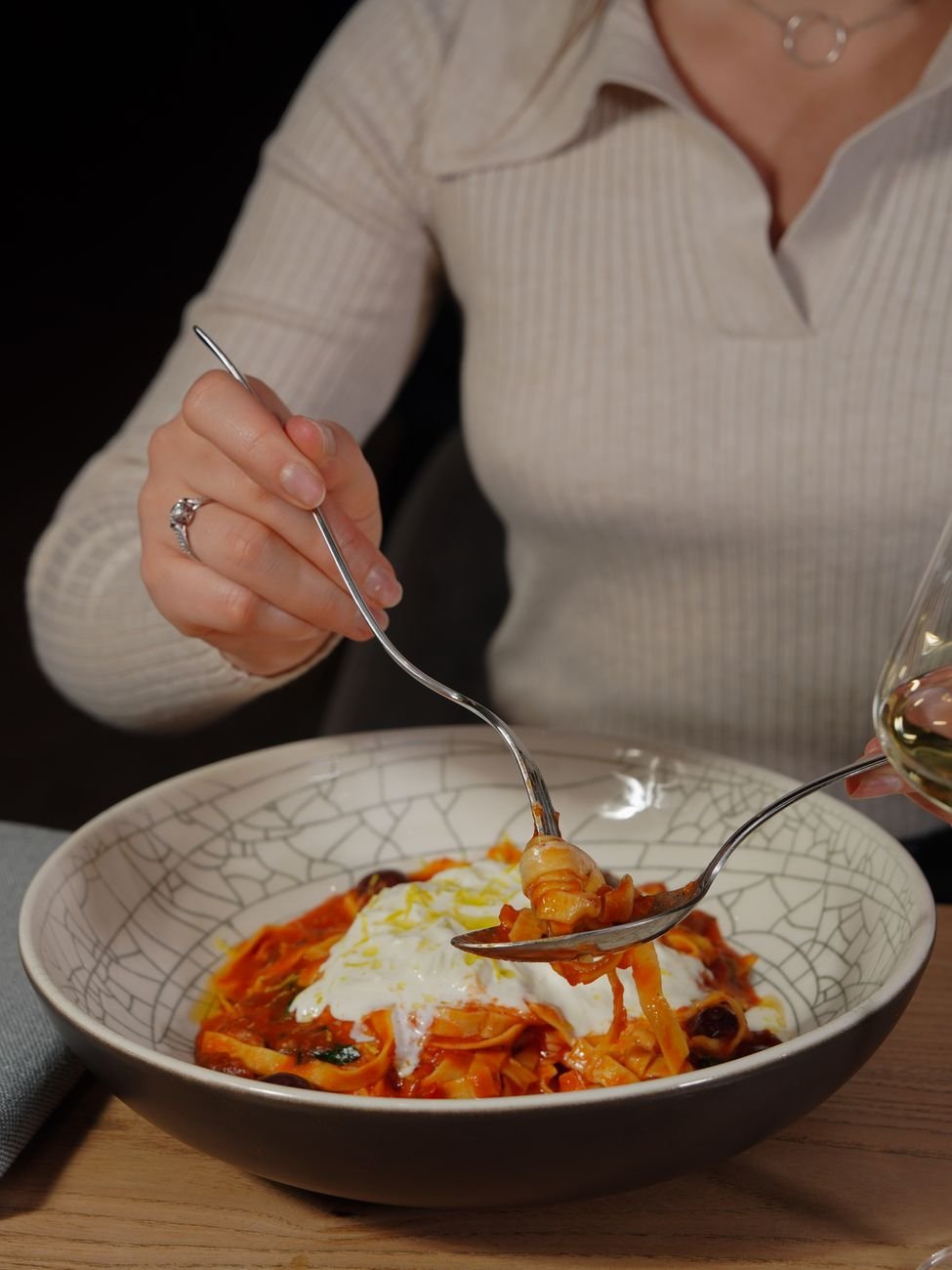
Start with the pasta itself, because it's the fastest tell. Handmade dough has irregular edges, so a tagliatelle ribbon won't be a perfect uniform width the way an extruded, dried noodle is. It should hold a slightly rough, matte surface rather than a glossy sheen, because that texture is what grabs sauce instead of letting it slide off. Kitchens making pasta in-house usually don't hide it. Look for a pasta window, a marble table dusted in semolina, or a menu that names the shape and the filling with some specificity rather than just calling everything "pasta of the day."
What Real Handmade Pasta Looks Like on the Plate
- Egg-based doughs like tagliatelle or pappardelle should look pale gold, not stark white, and hold their shape without turning mushy at the edges.
- Filled pasta such as ravioli, tortellini, or agnolotti should be sealed by hand, so no two pieces are perfectly identical in size or crimp.
- A sauce that clings rather than pools at the bottom of the bowl usually means the pasta was finished in the pan with starchy cooking water, a basic technique that separates a serious kitchen from one reheating a batch.
- Portions built around a light coating of sauce, not a drowned bowl, generally signal a kitchen more focused on the pasta than on masking it.
None of this requires insider knowledge. It just requires actually looking at what lands in front of you before the first bite, and asking your server a direct question or two if you're unsure. A kitchen proud of its pasta program will usually say so without prompting.
Larimer Square and Union Station Set the Table
Two anchors shape how people eat through this part of downtown, and neither is an accident. Larimer Square, Denver's oldest commercial block, still runs on string lights and restored Victorian storefronts, and it draws a slower, date-night crowd willing to walk a block or two between courses. Union Station, on the other end of LoDo, rebuilt its Great Hall into a genuine gathering space, and the dining around it skews toward people catching a train, meeting after work, or killing time before a show. Both districts reward a little planning: the good tables fill up fast on weekend nights, and neither is the place to wander in starving at 7:30 hoping for a two-top.
If your evening starts with an evening exploring Larimer Square, build in a buffer before dinner. Reservations are the norm down here, not the exception, especially on Friday and Saturday nights and on nights when the Rockies, Nuggets, or Avalanche are playing nearby. Walking in without a plan on one of those nights usually means a wait at the bar, which isn't the worst outcome if the wine list is worth reading while you stand there.
How to Read the Menu Like You've Done This Before
Italian menus in Denver, like Italian menus anywhere, tend to follow a structure: antipasti to start, then a choice between primi (pasta and risotto) and secondi (meat or fish), with contorni as vegetable side dishes ordered separately. You don't have to order every course. A lot of regulars build a meal from two or three antipasti and a shared pasta rather than working straight through primi into secondi, and no server worth trusting will push back on that.
Regional distinctions are worth paying attention to as well. A menu built around Bologna or Emilia-Romagna leans on egg pasta and ragù. One rooted in Rome favors dishes built on just a few ingredients, guanciale, pecorino, black pepper. Southern, coastal menus lean toward olive oil, seafood, and dried pasta shapes instead of fresh egg dough. None of these is more authentic than another. They're just different traditions, and a kitchen that's honest about which one it's drawing from is usually a kitchen that's thought hard about its food.
Wine lists in this part of town tend to reward asking a question rather than defaulting to the first Chianti on the page. A good server can steer you toward something Italian and regional that actually matches what you ordered, and it's worth taking them up on it.
Reservations, Timing, and the Reality of a Downtown Night Out
LoDo's rhythm is tied to Coors Field and Ball Arena more than most Denver neighborhoods will admit. Game nights change everything, from parking to noise to how far in advance you need to book. If you're chasing a specific spot for a LoDo dinner spot, check the sports schedule before you check the menu. A Tuesday in the shoulder season plays very differently than a Saturday during the playoffs.
Late seatings are usually your best shot at a walk-in table without a long wait, and they tend to come with a calmer kitchen and more attentive service, since the earlier rush has cleared out. If you're flexible on timing, that's the easiest lever to pull.
The best approach down here isn't chasing a single legendary plate of pasta. It's learning to read a kitchen quickly: the texture on the fork, the structure of the menu, whether the room feels like it was built around the food or just around the brick. Get that right, and LoDo rewards the trip.