Best Italian in Lodo: A Local's Guide
Forget the neon signs and the laminated menus near the ballpark. Here's how to find the LoDo Italian spots where the pasta is actually made in-house, and how to get a table without losing your night to a wait list.
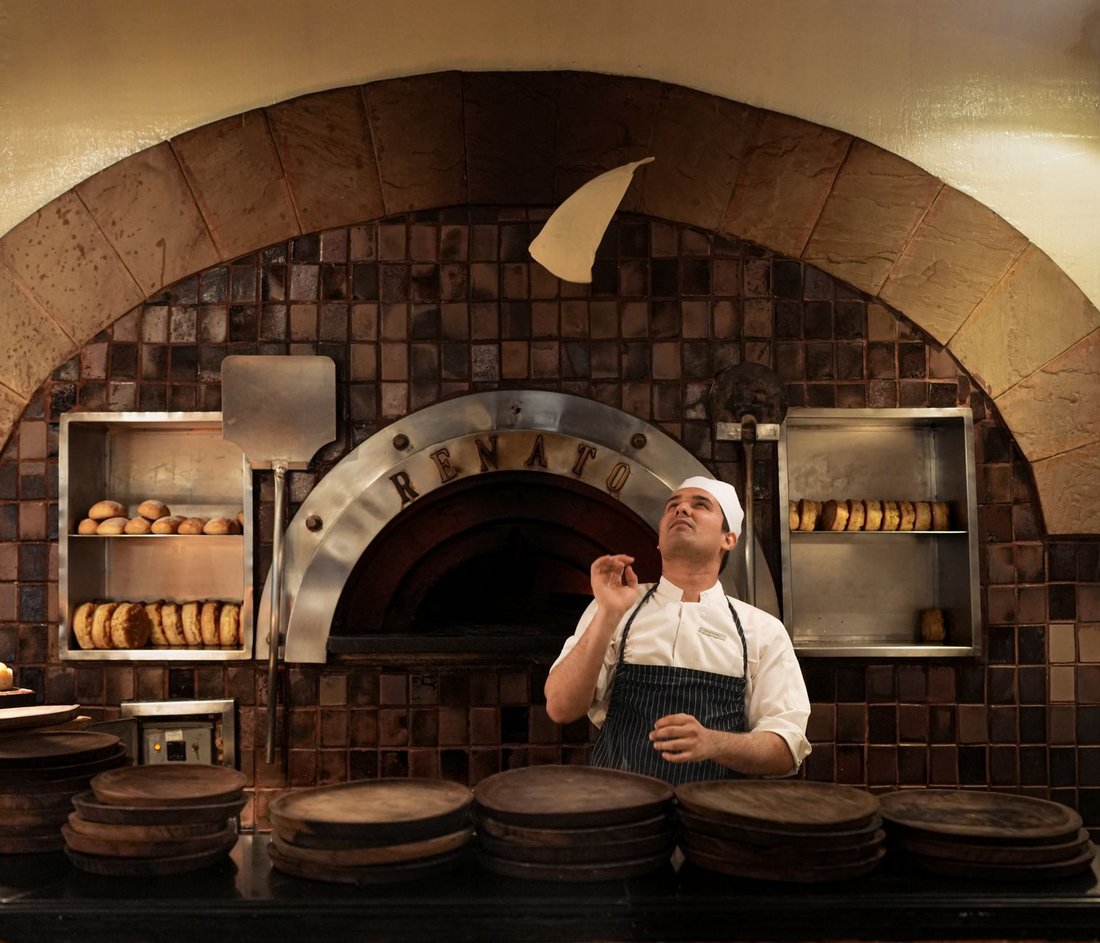
On a Tuesday in July, the sidewalk outside a brick corner building near Union Station fills up an hour before first pitch. Purple jerseys stream past on their way to Coors Field, but a knot of people stays put, leaning against the wall, checking a host's clipboard, in no hurry to move. Inside, a wood-fired oven throws heat and someone rolls dough on a floured board loud enough to hear over the room. That's the real test for best Italian in LoDo: a room that fills with people who came for the food first, the game second, if at all, and who aren't going anywhere until the table is ready.
LoDo makes this harder than it should be. The neighborhood's brick-warehouse blocks are dense with restaurants built for volume, tuned to catch foot traffic rolling off 17th and Wynkoop before a game or a show at Ball Arena. Some of those places are genuinely good. Plenty exist mainly to seat forty people in ninety minutes and turn the table again. Telling the two apart is the whole skill.
What Separates a Serious Kitchen from a Red-Sauce Backdrop
Start with the pasta. A menu that lists a dozen pasta dishes whose shapes never change season to season is usually a kitchen buying dried pasta by the case and building sauces around it. Nothing wrong with that on its own, but it's not what you're chasing. A kitchen that makes pasta in-house usually tells you, because it's expensive to do and worth advertising: fresh tagliatelle, hand-cut pappardelle, a filled pasta that shows up for a few weeks and then disappears. The tell is a shorter menu that actually changes. A restaurant confident enough to run six or eight dishes instead of twenty-five, and to swap a few out when a delivery of good mushrooms or the first decent tomatoes of the season comes in, is telling you the kitchen is cooking, not just assembling.
Wood-fire matters too, but less than people assume. A wood-fired oven turns out a good char on a pizza crust or a nice smoky edge on a roasted vegetable, and it's a legitimate signal of investment. It is not, on its own, proof of anything. Plenty of tourist-facing rooms installed one because it looks good through a front window.
The wine list tells you more than the oven does. A serious Italian kitchen in LoDo will have a list weighted toward actual Italian regions, not a token page of Chianti next to forty California cabernets. Look for producers you don't recognize, a few by-the-glass options that rotate, and a staff that can talk through the list without reading off a card. If the wine program is an afterthought, the kitchen probably is too.
How LoDo Dining Actually Works on a Game Night
LoDo runs on baseball and event traffic in a way most Denver neighborhoods don't. On nights the Rockies are home, the streets around Coors Field fill two to three hours before first pitch, and restaurants within a few blocks of the stadium see a wave of walk-ins looking for something fast. That wave is real money for a restaurant, and some kitchens build their whole night around turning tables quickly before it hits. A serious Italian spot handles it differently. It holds back tables for people who reserved, keeps the bar seating open for walk-ins who want a glass of wine and a small plate, and doesn't rush a four-top through a tasting menu because the next group is waiting.
Wanting something quick and reliable near the stadium before a game is a separate mission from a real Italian dinner, and it's worth treating it that way. Plenty of people scope out a solid pre-game bite specifically because they know a sit-down Italian dinner and a 6:40 first pitch don't mix.
The brick-warehouse architecture that defines LoDo also shapes how these dinners feel. Old freight and hardware buildings with high ceilings, big windows, and exposed brick got converted into dining rooms starting in the nineties, and the acoustics in a lot of them are rough. A packed room bounces noise off brick and glass with nothing to absorb it, which is part of the neighborhood's energy but makes a quiet anniversary dinner tough to find on a Friday. When conversation matters more than atmosphere, ask for an early seating or request a corner table when you book. Some of these buildings also have patios tucked behind or beside them, shielded from the street noise, and on a warm evening that outdoor seat beats the dining room entirely. It's worth knowing your options beyond LoDo too, since a good patio a few blocks over might serve you better than fighting for an outdoor table at a packed spot on a Saturday.
What to Order When the Menu Changes Weekly
- Start with whatever pasta shape isn't on every other menu in the neighborhood. When a kitchen is proud enough of a hand-rolled shape to name it specifically, order it.
- Ask what came in that week. A kitchen running a short, changing menu is usually happy to talk about a specific delivery, a local farm, or a seasonal ingredient they built a dish around.
- Order something simple as a gut check. A plate of cacio e pepe or a basic tomato sauce has nowhere to hide. When that dish is excellent, the kitchen's technique is real.
- Don't skip the antipasti. A kitchen that's serious about the whole meal usually shows it first, in a cured meat selection or a vegetable dish that isn't just there to round out the plate.
Reservations, Timing, and Reading the Room
Reserve ahead for weekend nights and any night the Rockies are playing at home, full stop. The good rooms book up, and walk-in waits on a Friday can stretch past an hour once the pregame crowd starts moving through. Without a reservation, an early seating around 5:30 or a late one after 9 usually has a shot at a table, especially on a weeknight when the pregame surge doesn't apply.
Watch how a restaurant treats you once you're seated during a busy stretch. A kitchen confident in its food will still let a table linger over a second glass of wine even during a rush. A place built purely for turnover starts hovering with the check the moment the last plate clears. Neither approach is a crime, but only one of them is cooking Italian food for people who care about it rather than for people who need to catch a 7:10 first pitch.
The best marker, honestly, is simpler than any of this. Walk past a place at 8:30 on a Tuesday, a night with no game and no excuse for a crowd. If it's still full of people eating slowly and the kitchen still looks busy, that's a restaurant locals actually choose, not one riding stadium traffic. That's the room worth your next reservation.