Lodo Neighborhood Guide Worth Exploring
Denver's oldest downtown blocks still run on rail schedules and game-day roars, and that's exactly why they're worth walking slowly.
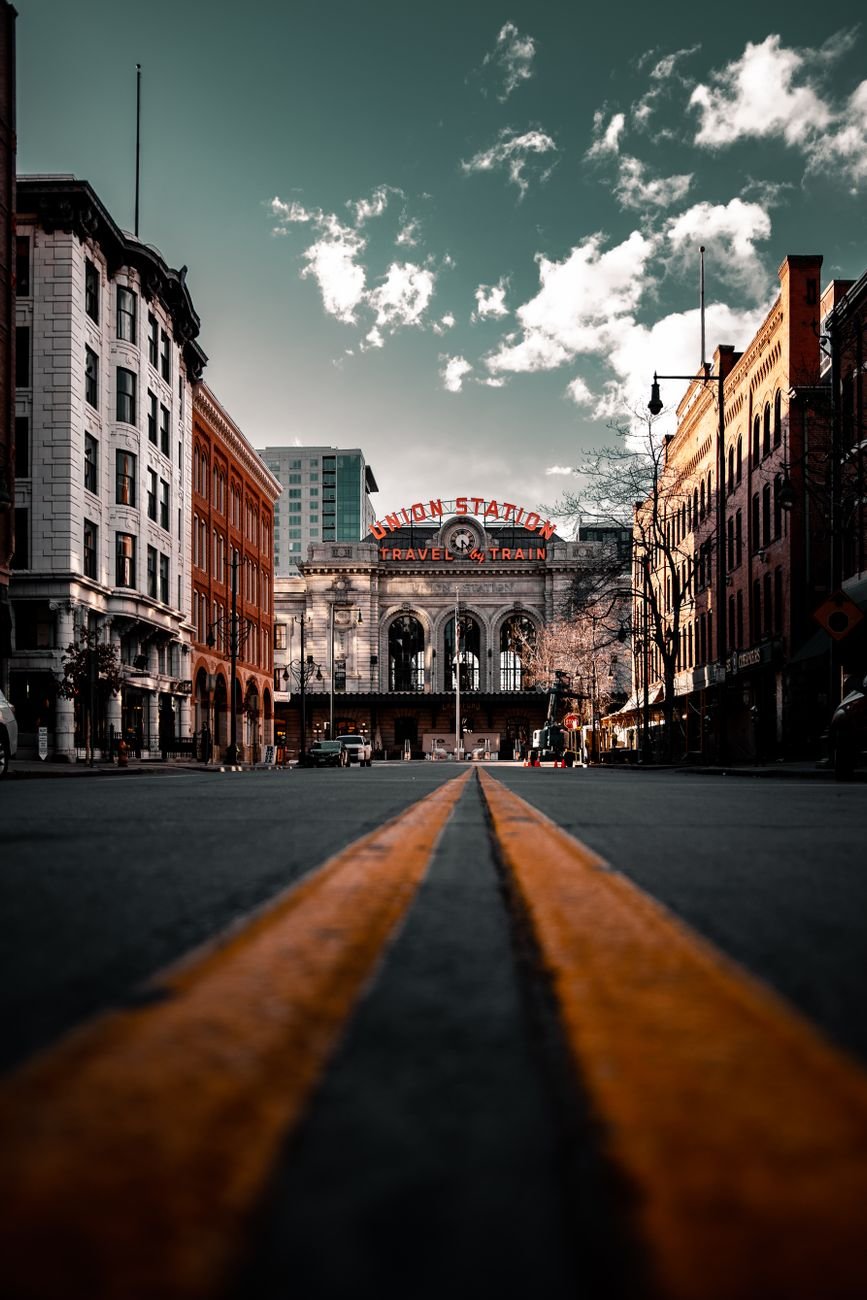
A westbound train rattles the tracks behind Union Station most evenings, and half the patio at the nearest bar doesn't even glance up. The indifference is the tell. LoDo has been a working rail yard, a warehouse district, a skid row, and now a neighborhood where six-figure lofts sit above the same brick that once held produce and hardware. Locals stopped being impressed by any of it a long time ago. What makes a real LoDo neighborhood guide different from the version aimed at people staying three nights near the ballpark: it treats the district as a place people actually live, not a backdrop.
What LoDo Actually Is
Lower Downtown, shortened the way Denver shortens everything, runs roughly from the South Platte River east to about 20th Street, bounded by Larimer and the rail yards near Union Station. It was the city's original commercial core in the 1880s, brick and cast-iron warehouses built for wholesale grocers and hardware jobbers who needed proximity to the trains. When Denver's warehousing business moved to the suburbs in the mid-20th century, the buildings sat mostly empty for decades. A historic district designation in 1988 kept the wrecking ball away long enough for the neighborhood to flip again, this time into lofts and offices, with ground-floor bars and restaurants filling those same brick shells.
The result is a neighborhood that reads differently depending on the hour. Weekday mornings, it's commuters cutting through Union Station's Great Hall. Game nights, it's a different animal entirely, thousands of people in purple and black moving toward Coors Field like the tide came in. Late on a Tuesday, it's quiet enough to hear your own footsteps on the cobblestones near Larimer Square.
A LoDo Neighborhood Guide Built Around How Locals Actually Move Through It
Start at Union Station regardless of what else is on the agenda. It's the hinge the whole neighborhood swings on, restored a decade ago into a functioning transit hub with a hotel and a handful of restaurants inside, and it's the rare Denver building that rewards just sitting in it for twenty minutes with a coffee. From there, Wynkoop Street runs the length of the district past the brick warehouse fronts that define the whole area, plenty of them still bearing the ghost-sign lettering of the companies that built them.
Larimer Square, a block over, is the oldest commercial block in the city and reads more polished than the rest of LoDo, string lights overhead and a tighter concentration of restaurants and boutiques. It's touristy by Denver standards, but it earns the traffic honestly, since it's also the block that survived when most of the rest of 1880s downtown got razed for parking lots and office towers in the mid-1900s. Pair a walk there with a swing through the warehouse blocks closer to the ballpark to feel the difference between preserved-and-polished and preserved-and-lived-in.
On Game Days
Coors Field anchors the eastern edge of LoDo, and the Rockies' home schedule effectively runs the neighborhood's calendar from April through September. Sidewalks fill an hour before first pitch, patios post lines out the door, and pedicabs work the corners. If a quieter visit is the goal, check the schedule first and plan around it rather than through it. If the energy is the point, there's no better place in the city to feel a home crowd build before a first pitch.
Where the Neighborhood Still Shows Its Age
Look up. It's the simplest advice for LoDo, because the ground floor has mostly been renovated into something legible to a 2026 visitor, but the upper stories still carry cast-iron columns and arched windows from the original construction, cornices most people never look up to notice. Walking tours through the historic district point out details easy to miss otherwise, like which buildings kept their freight elevators or their painted advertising.
The neighborhood's food and drink scene leans into that same brick-and-steel backdrop rather than fighting it. Craft beer has deep roots here specifically, since Denver's modern brewing boom traces back to a LoDo brewpub opening in the late 1980s, right as the historic district was taking shape. The lineage still matters to people who take their beer seriously here, distinct from the newer taproom stretch through RiNo a few blocks north. Green chile shows up on menus across LoDo the way it does everywhere in Denver, smothering everything from breakfast burritos to a green chile cheeseburger, and it's worth ordering it Christmas style at least once, red and green together, if a menu offers the choice.
Getting Around Without a Car
This is one of the few Denver neighborhoods where skipping the car is genuinely easier than dealing with it. Union Station connects to the airport rail line and the regional bus network. Street parking is limited and actively enforced, and the whole district is compact enough to cross on foot in about fifteen minutes. RTD's light rail and the free downtown circulator both run through or near LoDo, which matters on nights when the ballpark crowd makes every parking garage a headache.
- Walk it: LoDo is dense and flat, built for foot traffic between its brick blocks.
- Ride the train in: Union Station links directly to Denver International Airport.
- Avoid driving on game days: garages fill early and street parking disappears fast.
How LoDo Fits Into the Rest of Denver
People who only see LoDo assume it's representative of downtown Denver generally, and it isn't, not quite. It's older, denser, and more historically self-conscious than the office towers a few blocks north or the residential grid of Capitol Hill to the east. It shares more in spirit with the converted warehouse blocks of Highland and LoHi across the river than with the glass towers downtown, both places where industrial buildings found a second life instead of getting torn down.
The contrast is worth sitting with. Denver keeps reinventing its old bones rather than starting over, and LoDo is where the habit started. The brick is original and the trains still run behind it. What changed is the crowd.
Anyone building an actual visit around this LoDo neighborhood guide should resist the urge to see it all in one pass. Walk it once during the day for the architecture and again at night for the energy, then come back on a Rockies game day to feel what the neighborhood was built to hold. The district rewards repeat visits more than a single checklist ever could.