Rino Neighborhood Guide: The Local Guide
Warehouses that used to move freight now pour flights and hang paint, and the neighborhood hasn't decided yet what it wants to be when it grows up.
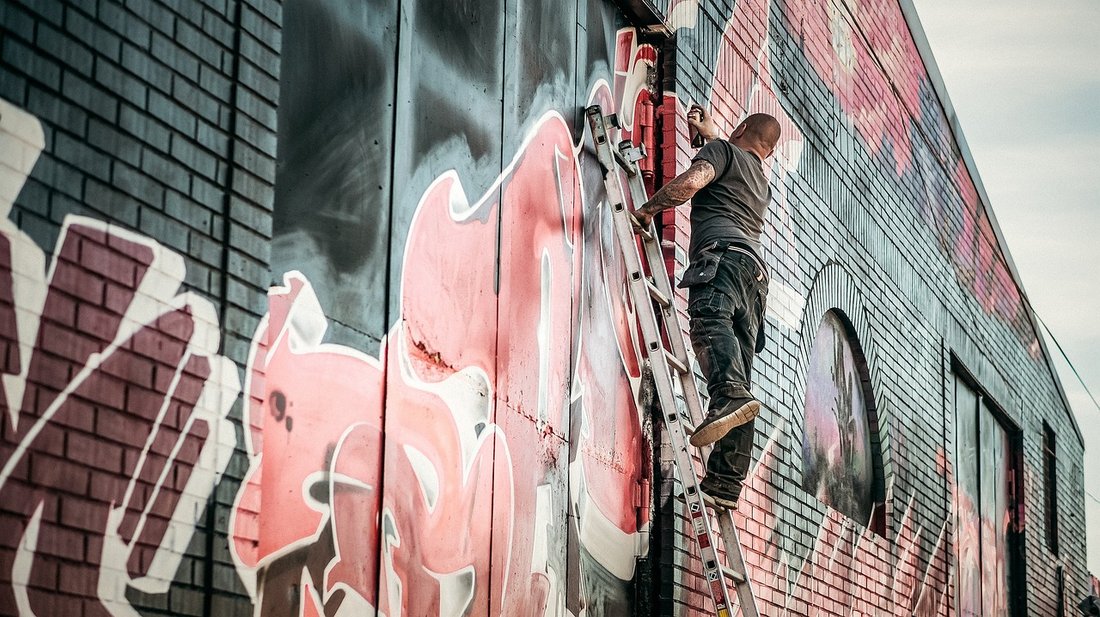
A freight train still cuts through RiNo most afternoons, right past a mural bigger than the boxcars, right past a patio full of people nursing pale ales in the sun. Nobody flinches. The train was here before the murals, and the murals were here before the rooftop patios, and that order matters if you're trying to understand this place instead of just Instagramming it. Any honest rino neighborhood guide has to start with that layering, because RiNo isn't one thing. It's an old rail and warehouse corridor that got colonized by artists, then by breweries, then by developers with a lot more money than the artists ever had.
What a RiNo Neighborhood Guide Actually Covers
River North Art District sits northeast of downtown, roughly bridging the gap between Five Points and the South Platte River, with Larimer Street running through it like a spine. Walk that stretch and you'll pass brick warehouses with garage-door fronts that used to load pallets and now serve flights of saison. Side streets duck off toward the river and the rail yards, where the buildings get rougher and the rents, for now, still show it. The RTD A-Line drops riders at 38th & Blake, a few blocks from the thick of it, which makes RiNo one of the rare Denver neighborhoods you can hit straight from the airport without renting a car.
The Murals Aren't Decoration
RiNo's identity got built on its walls before it got built on its balance sheets. CRUSH WALLS, the annual mural festival, has turned entire blocks into rotating outdoor galleries, and the paint job on any given warehouse might be a year old or a decade old, done by a local or by someone flown in for the festival. Walking Larimer and the alleys off it on a weekday morning, before the crowds and before the breweries open, is still the best way to see the work without dodging a bachelorette party. Indoor galleries cluster nearby too, part of what made this the art district in the first place, and First Friday art walks pull people through them in a loose, unhurried loop that has nothing to do with velvet ropes.
Brewery Hopping, Without the Bro-Down
Colorado takes its breweries seriously enough that nobody here calls it a trend, and RiNo has more of them within stumbling distance than almost any other patch of the city. The format repeats itself with small variations: reclaimed warehouse shell, exposed brick, garage doors thrown open in good weather, a patio that fills up fast once the sun's out. It's less about finding the one perfect taproom than working a few in sequence, the way you'd move through Denver's brewery scene anywhere else in town, except here you can walk the whole crawl instead of driving it. Denver Central Market, the food hall a few blocks off Larimer, is the sensible stop in between rounds, bakery counter, butcher, coffee, a bar, all under one roof, built for grazing rather than committing to one big meal.
The Tension Nobody Pretends Isn't There
Talk to anyone who was buying gallery space here in the early 2000s and they'll tell you RiNo used to be cheap because nobody wanted it. Now cranes outnumber murals on some blocks, new apartment buildings crowd the warehouses that made the neighborhood worth visiting, and the artists who built the district's reputation are increasingly priced into other zip codes. That's not a knock on the breweries or the developers, some of the best beer and coffee in the city is here precisely because someone bet on these blocks before it was obvious. But the neighborhood's whole appeal was industrial grit with paint on it, and grit is the first thing money erases. Locals watch that trade-off happen in real time, and most of them have an opinion about which side of it is winning this year.
When to Go, and How
Weekday mornings belong to the murals and the coffee roasters, before the lot fills and the patios open. Friday evenings, especially on a First Friday, belong to the galleries. Weekend afternoons belong to the breweries, and you'll want a plan for parking or, better, a plan to skip it entirely, the A-Line gets you to 38th & Blake, and from there RiNo is compact enough to cover on foot, which also makes it easy to stitch onto a walk through Five Points' longer cultural history next door. Bring layers; the warehouses hold winter cold and summer heat both, and the patios don't care which season it is once the crowd shows up.
The honest version of this neighborhood isn't the polished one on the murals or the polished one on the new condo renderings. It's both, overlapping, arguing with each other on the same block. Go see it before one side finishes winning.