Best New Restaurants in Denver, Tried and Tested
A local's field guide to spotting a genuinely good opening in Denver before the crowds and the hype catch up to it.
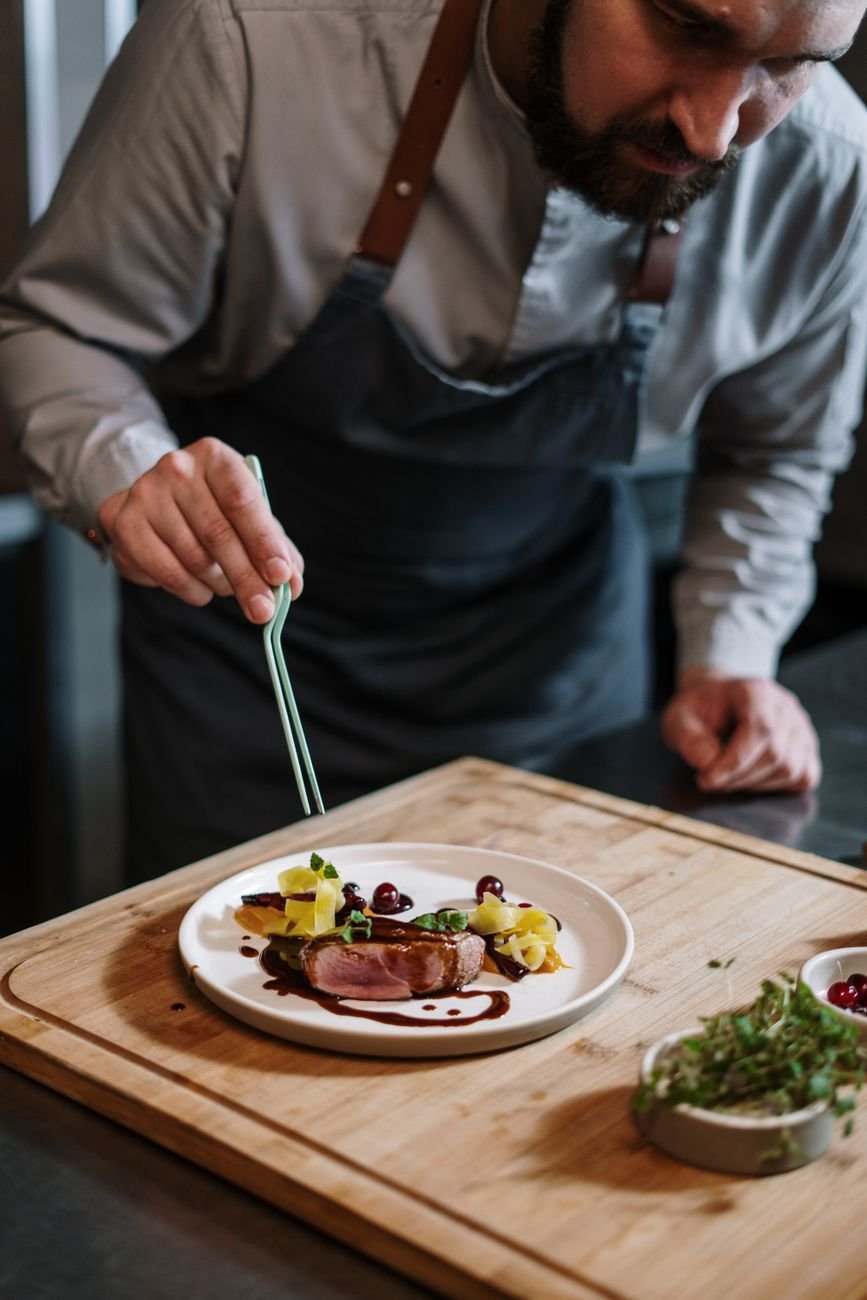
On a Tuesday night in Sunnyside, the tell isn't the crowd out front. It's who's in it. A new place worth your money draws off-duty line cooks from three neighborhoods over, sitting at the bar without menus because they already called ahead to ask what's good tonight. Finding the best new restaurants in Denver rarely means chasing whichever spot has the longest wait outside. It means learning to read a kitchen before the reviews catch up to it, and that skill is worth more than any list.
Denver's restaurant scene moves fast enough now that a genuinely good opening can get buried under a dozen mediocre ones in the same news cycle. Every week brings another soft launch, another Instagram reel of a chef plating something with tweezers. Some of it holds up after the second visit. Most of it doesn't. The difference shows up in details a press release never mentions: whether the kitchen has settled into a rhythm, whether the wine list was chosen by someone who actually tastes wine, whether the person running food to your table can tell you where the lamb came from without checking a card.
What actually makes the best new restaurants in Denver
Start with the menu's edit, not its length. A new restaurant printing eleven appetizers, nine entrees and a raw bar in its first month is usually still auditioning dishes on paying customers. The places that hold up tend to open tight: a dozen items total, each one clearly practiced, with a kitchen that would rather nail six plates than stumble through twenty. Watch for a menu that changes slightly week to week in its opening stretch. That isn't disorganization. It's a chef adjusting to what the walk-in cooler and the farmers actually deliver, which in Colorado shifts by the week from May through October.
Sourcing is the other tell, and Denver makes it easy to check. Colorado lamb, Palisade peaches in season, bison from ranches on the Eastern Plains: these aren't marketing flourishes here, they're regional staples, and a kitchen that treats them as such usually says so plainly on the menu rather than dressing them up with adjectives. If a new spot names a specific ranch or orchard, that's a good sign the sourcing is real rather than aspirational. If every protein on the menu is generic, the kitchen probably hasn't built supplier relationships yet, which takes time no matter how talented the chef is.
Where the next great opening tends to show up
Location tells you almost as much as the menu does, because Denver's neighborhoods each pull a different kind of operator.
- RiNo still draws the ambitious, well-capitalized openings, the kind with a design budget and a chef who's worked a real kitchen elsewhere. The warehouses give operators room to build something with scale, which is part of why the district is also home to one of the city's better RiNo taprooms.
- Five Points is where a lot of the city's most interesting food is happening right now, carried by owners with deep roots in the neighborhood's history as Denver's historic Black cultural center. Pay attention here; the openings tend to be personal rather than trend-chasing.
- Baker rewards a walk down South Broadway on a weeknight. The rents are lower than RiNo's, which means first-time owners can take real chances instead of playing it safe to cover overhead.
- Sunnyside has gone from sleepy to quietly full of talent, often cooks who did their time downtown and wanted their own kitchen without the Cherry Creek price tag.
- LoHi is Denver's brunch corridor, and while plenty of what opens there is built for a Saturday crowd, a serious dinner menu tucked into that strip is worth noticing precisely because it's swimming against the current.
Reading a new menu like you mean it
Order the dish that scares the kitchen a little. Every new restaurant has one item on the menu the cooks are still nervous about, usually something with more moving parts than the rest of the plate. That's the one to order, because it tells you where the kitchen's ceiling is. A perfectly executed steak says less about a new opening than a properly balanced green chile does. Red or green is a real argument here, not a garnish choice, and a kitchen that treats its chile as an afterthought usually treats the rest of the menu the same way.
Ask what's on tap before you ask what's in the glass. Colorado takes its beer seriously enough that a new restaurant's draft list is a reasonable proxy for how much care went into the rest of the program. A short, well-chosen list beats a long one padded with whatever a distributor pushed on them. The same logic applies to a bison burger: fewer toppings and better beef is almost always the smarter order than a burger trying to prove something with eight ingredients.
Timing the visit
Skip the first two weeks entirely if you can. A new kitchen needs time to find its pacing, and an opening-week visit tells you more about how a restaurant handles chaos than how it actually cooks. Six to eight weeks in is a better window: the menu has usually been trimmed of its weaker dishes, the front of house has learned the room, and the kitchen has stopped white-knuckling every ticket.
Go on a Tuesday or Wednesday if the goal is an honest read. Weekend service at a new restaurant is often running at capacity with a stretched staff, which flatters nothing. A quiet weeknight shows you the kitchen at a pace it can actually sustain, which is closer to what a tenth visit will feel like than a first one on a packed Saturday.
Telling hype from the real thing
A crowd on opening weekend measures curiosity, not quality. Denver has enough people who show up for anything new that a first Saturday can look like a hit regardless of what's actually happening in the kitchen. Look instead for whether a place still has steady tables three months out. That's the number that matters.
Be wary of restaurants that talk more about their concept than their food. A strong opening usually lets the plates do the explaining. If the server's pitch leans hard on the design, the story of the space, or a chef's resume without much said about what's actually good to order, that's often a restaurant that hasn't figured out its own strengths yet.
The best new restaurants in Denver aren't usually the ones announced with the biggest fanfare. They're the ones a line cook tells another line cook about, the ones that get quietly busy on a Tuesday before anyone's written about them. Go looking in Five Points and the neighborhoods carrying its momentum, order the dish the kitchen hasn't fully mastered yet, and give a new place the six weeks it needs to become itself before you decide what you think.