Best Italian Restaurants in Denver, Tried and Tested
Denver's Italian dining scene has grown up across very different neighborhoods, and the room that earns your evening is not always the one that looks the part.
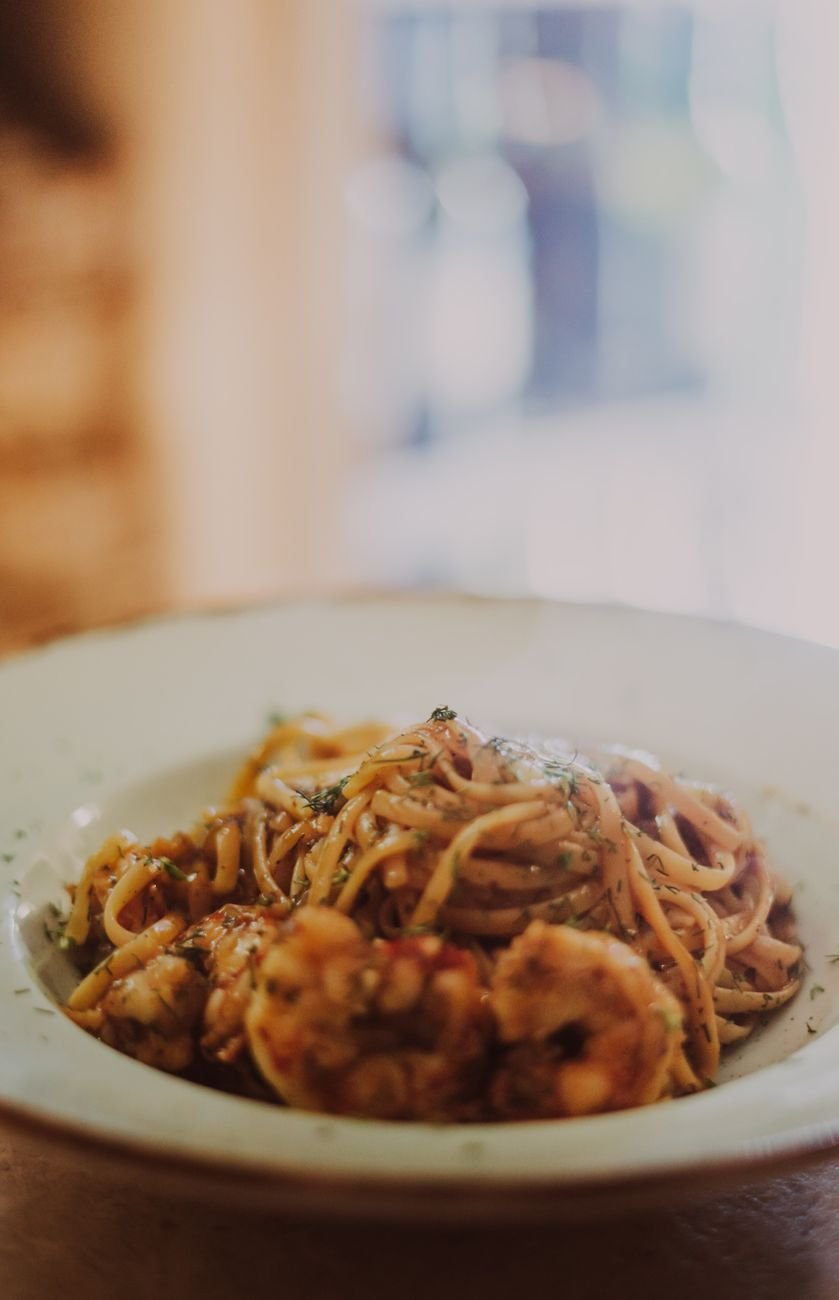
There's a moment in certain Denver Italian restaurants when the bread arrives warm, the room smells like garlic and browned butter, and the Rockies are still faintly visible through a west-facing window in the last light of the evening. It's a particular kind of contentment this city does well. The trouble is finding the room that earns it, because the best Italian restaurants in Denver are scattered across wildly different neighborhoods, and the ones that look the part don't always deliver.
Denver's Italian dining scene has matured considerably since the mid-2000s, when the Highland neighborhood started pulling in residents with money and appetite. Today you'll find serious pasta programs in RiNo warehouse spaces, old-school red-sauce institutions that have outlasted three rounds of neighborhood turnover, and newer spots in Baker and Five Points chasing something closer to regional Italian cooking. What you look for, and where you look, depends on what you want.
How to Find the Best Italian Restaurants in Denver
The first thing to sort out is what kind of Italian meal you're after. This sounds obvious, but Denver conflates categories that shouldn't be. A restaurant serving hand-rolled pasta with short-rib ragù and one with a mile-long menu of chicken parmesan are both calling themselves Italian. Neither is wrong, exactly. They're solving different problems.
If you want the kind of cooking that takes pasta seriously as a craft, the kind where someone made the dough that morning and chose the shape because it catches the sauce, look toward RiNo and the edges of Capitol Hill. These neighborhoods have absorbed enough culinary ambition over the past decade to support kitchens that treat pasta as a discipline rather than a delivery mechanism for protein.
For something more generous and less precious, Baker and South Broadway have long harbored Italian-American spots where the portions are unreasonable in the best way, the Chianti is cheap, and nobody is trying to explain the provenance of the wheat. Five Points has a few options worth considering if you're already down there before a show. The pizza landscape in Denver is its own conversation, but it overlaps here: some of the city's best wood-fired pies come out of kitchens that also do serious pasta.
What to Order (and What to Skip)
Across the board, Denver Italian kitchens tend to do better with handmade pasta than with anything that depends on pristine seafood. This is a landlocked city at altitude. Clams are fine; they are rarely transcendent. Order the lamb ragu if it's on the menu, because Colorado lamb is genuinely excellent and Italian preparations suit it well. Bison occasionally turns up in bolognese-style sauces at restaurants trying to do something distinctly local, and when it's handled with restraint it works.
Green chile does not belong in Italian food, and most reputable Denver Italian kitchens understand this. If you see it listed as an option on a pasta dish, treat that as information.
Antipasti deserve more attention than they usually get. The best Italian spots in Denver use this course to show range: house-cured meats, careful vegetable preparations, the quality of the olive oil. A weak antipasto spread is often a preview of what's coming.
Wine lists at Denver Italian restaurants have improved substantially. The altitude changes how alcohol hits, which the good spots account for in their pours and their pairing suggestions. A restaurant with a thoughtful Italian wine program, one that goes past the obvious Barolo and Brunello to include Friulian whites or something from Campania, usually signals real ambition in the kitchen too.
Neighborhoods Worth Knowing
RiNo holds the highest concentration of ambitious Italian cooking in the city right now. The neighborhood has the foot traffic and the demographic to support higher price points, and several kitchens there have built serious reputations on pasta programs. It's also the area most prone to opening, closing, and reopening under new concepts, so check that a place is still operating before you make the drive.
Highland and LoHi run toward the approachable and social. These are good choices for groups, for date nights when you want atmosphere over austerity, for any meal where you'd rather not commit to a serious tasting menu. The brunch corridor on 32nd Avenue occasionally bleeds into Italian-adjacent cooking on weekend mornings, though that's a stretch of the category.
Cherry Creek has a few Italian restaurants that serve a clientele that cares about consistency and comfort over experimentation. The cooking is often technically competent and reliably unsurprising. Nothing wrong with that, depending on the occasion.
A Few Practical Notes
- Reservations matter more than they used to. The better Italian spots in RiNo and Capitol Hill book out on weekends, so call or use the restaurant's booking system at least a week ahead.
- Lunch at Denver Italian restaurants is underused. Several kitchens that are slammed at dinner run abbreviated lunch menus with the same pasta at lower prices.
- The bar at most Denver Italian spots gets overlooked. Aperitivo culture hasn't fully landed here, but a Negroni before dinner at a restaurant with a serious bar program is a reasonable way to start.
- If the menu runs longer than two pages, apply skepticism. The Italian kitchens doing the most interesting work tend to keep focused menus that change with the season.
Denver's relationship with Italian food is still sorting itself out. The city is young enough that culinary traditions get borrowed and built rather than inherited, which means the best spots here are places where someone made a deliberate choice to do something well, not because their grandparents did it this way. That's a different thing, and sometimes a better one. The meal worth finding in this city is the one where that deliberateness shows up in the bowl.