Best Restaurants in Rino: The Local Guide
RiNo's food scene grew up in loading docks and rail spurs, and the best meals in the neighborhood still come with a little grit under the fingernails.
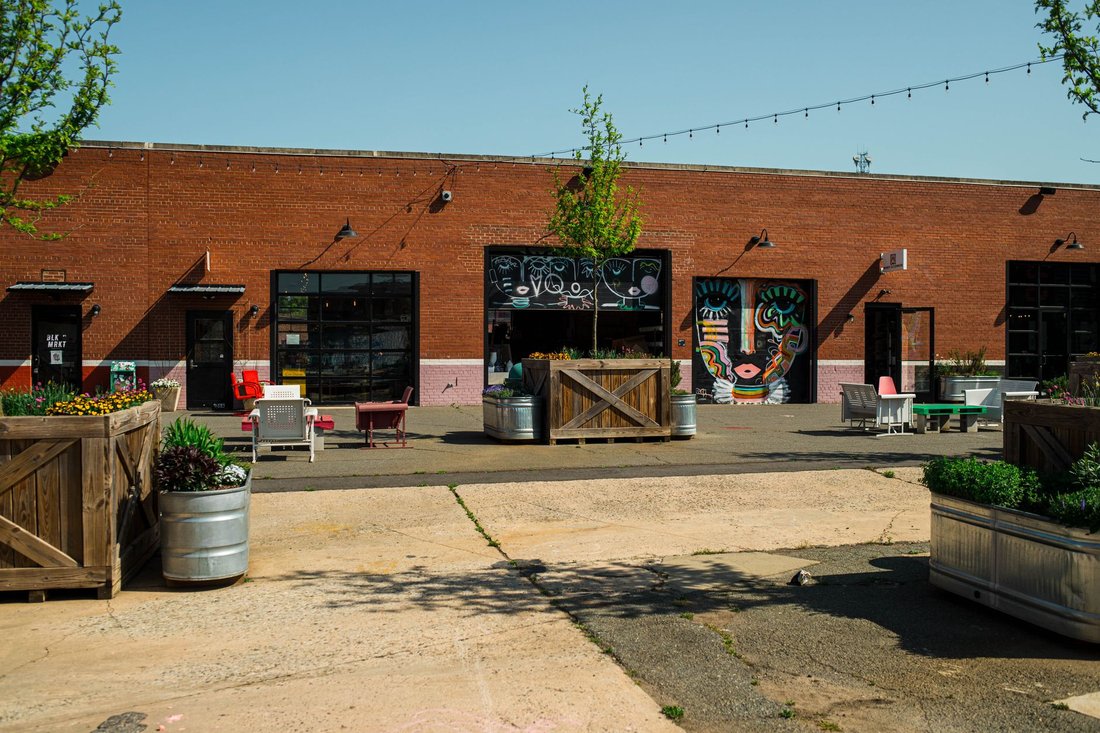
By six on a weekday, the gravel lots behind RiNo's old warehouses fill up before the dining rooms do. Forklifts once idled where patio furniture sits now. Murals painted over cinderblock loading docks catch the last light off Brighton Boulevard, and the people looking for the best restaurants in RiNo aren't dressed for it, because nobody dresses up for a neighborhood that still smells faintly of diesel and hops. That's the tell. RiNo never scrubbed its industrial bones to build a food scene. It built the food scene into the bones.
The River North Art District earned its name honestly: printing plants, metal shops, and rail sidings converted into galleries and breweries long before anyone drew a dining map of it. Restaurants followed the artists, not the other way around, which is why so much of the eating here still happens next to working freight lines and inside buildings that look, from the outside, like they should hold forklifts instead of flatbread. Rents were cheap north of downtown for a long stretch, cheaper than Cherry Creek or the Highlands, and that drew chefs who wanted room to experiment rather than a white-tablecloth address.
What Makes the Best Restaurants in RiNo Different
Ask a longtime Denverite what RiNo does well and the answer usually circles back to the same two things: beer and range. The brewery-and-food-hall model took hold here early, and it shaped how people eat in the district. A lot of RiNo dining happens standing up, plate in one hand, a local pour in the other, at a shared table someone built out of reclaimed lumber. That's not a knock. It means the neighborhood rewards grazing over commitment, and a night out can mean four stops instead of one long sit-down dinner.
Green chile shows up on menus across the district the way it does everywhere in Denver, red or Christmas depending on who's cooking, and it's worth ordering here the same way you would anywhere else in the city: as a gut check on whether a kitchen respects the basics before it gets fancy. Bison shows up too, and Colorado lamb, and Palisade peaches when they're in season, because RiNo kitchens draw on the same Front Range pantry as everyone else. What's different is the setting. You're as likely to eat a serious plate of food off a plywood counter as off linen.
Finding the Best Restaurants in RiNo Without a Reservation
Larimer Street is the spine to walk if you want to feel the neighborhood do its thing. Start near the Five Points edge and head north, and the blocks shift from converted warehouses to newer infill without much warning, murals giving way to glass, then back to brick. Walnut and Blake run roughly parallel and hold their own clusters, especially near the old rail underpasses where breweries set up shop first. None of this requires a car. The A-Line commuter train stops at Denver Union Station a short walk from the southern edge of the district, and most of RiNo's food corridor is walkable from downtown, so locals treat parking as a last resort rather than a plan.
Food halls deserve a specific strategy. They're built for groups who can't agree on one cuisine, so the smart move is to go with people, not alone, and split enough to sample widely. A lot of them anchor the brewery-and-warehouse blocks, and pairing a stop at a RiNo taproom with a wander through a food hall next door is close to the default RiNo evening for people who live here.
Timing matters more than it should
- Weekday lunches near the art studios run quieter than weekend brunch, when lines for anything with a patio start stacking up by mid-morning.
- RiNo's mural-festival stretches draw big moving crowds when they run, and restaurant waits lengthen accordingly, so check the calendar before planning a quiet dinner.
- Brewery hours and restaurant hours don't always match, so check both before building an evening around one block.
- Denver weather turns fast along the South Platte corridor, and open-air patios close their garage doors without much warning once the wind kicks up.
RiNo's Food Scene Sits Next to Its Art, Not Apart From It
What separates RiNo from other Denver neighborhoods chasing a food identity is that the food never had to compete with the art scene for space. They share walls. A gallery opening spills into a brewery patio spills into a taco counter operating out of a garage bay, and the border between them is whichever door happens to be propped open that night. That's also why RiNo sits so close, geographically and culturally, to Five Points, a neighborhood with its own deep culinary and jazz history worth understanding on its own terms rather than folding into RiNo's newer story. Anyone spending a weekend on this stretch of the city should walk far enough to feel that boundary rather than assuming the murals just keep going.
Locals who've watched RiNo change over three real estate cycles tend to describe the food scene the same way they describe the district itself: unfinished, and better for it. New spaces keep opening in buildings that still have their old freight signage bolted to the brick, and the good ones don't bother sanding that history off. If you want to eat well here, follow the smell of hops past a mural crew still working on scaffolding at dusk, and order whatever the kitchen is proudest of that night rather than whatever sounds safest on the menu.