Things to Do in Denver Locals Recommend
Skip the tourist itinerary. Here's where Denverites actually spend their weekends, from City Park at dawn to a late set in RiNo.
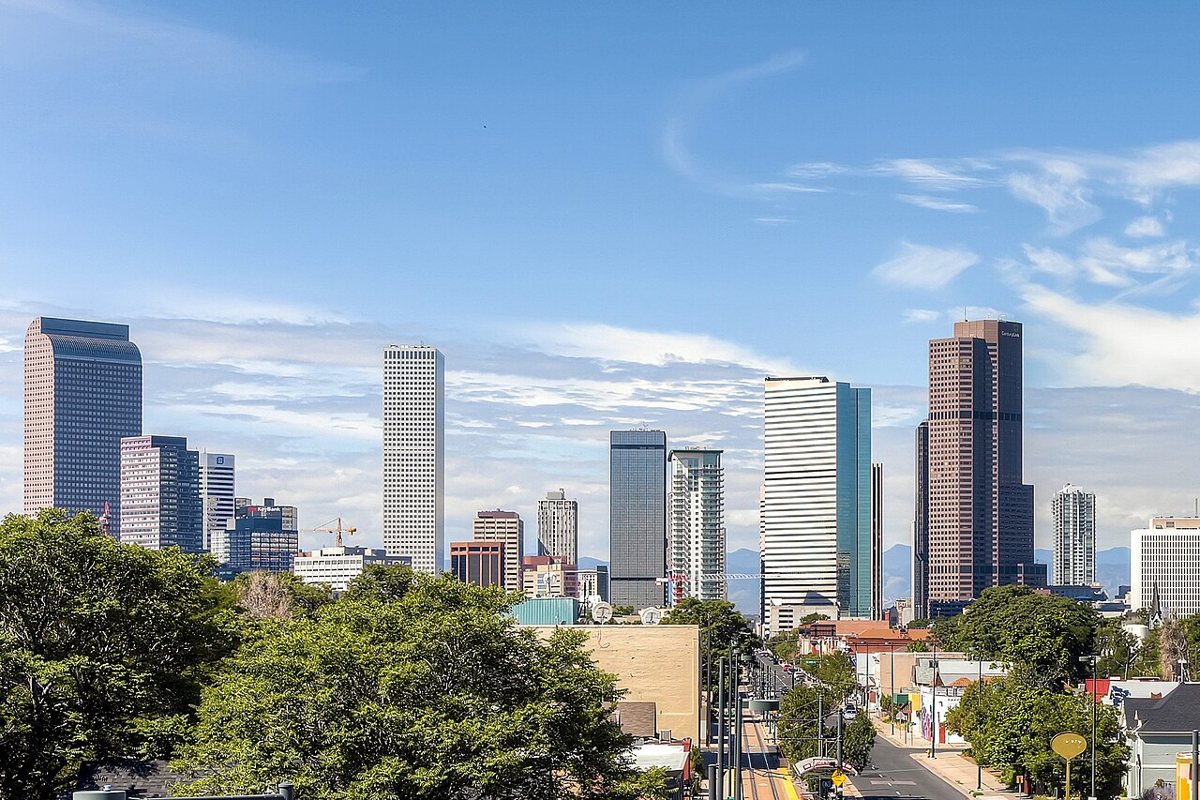

On a Saturday morning in late September, the running path around Washington Park fills up before 7 a.m. Cyclists in kit pass dog walkers, a pickup volleyball game materializes on the grass, and someone is already in the lake on a standup paddleboard. Nobody is here because a travel blog told them to be. This is just what Denver does on a good day, and good days are plentiful. If you want to know the things to do in denver that locals actually care about, you have to get past the airport hotel pamphlet rack and pay attention to how the city moves.
Best Things to Do in Denver by Neighborhood
City Park and the Museum Hill Area
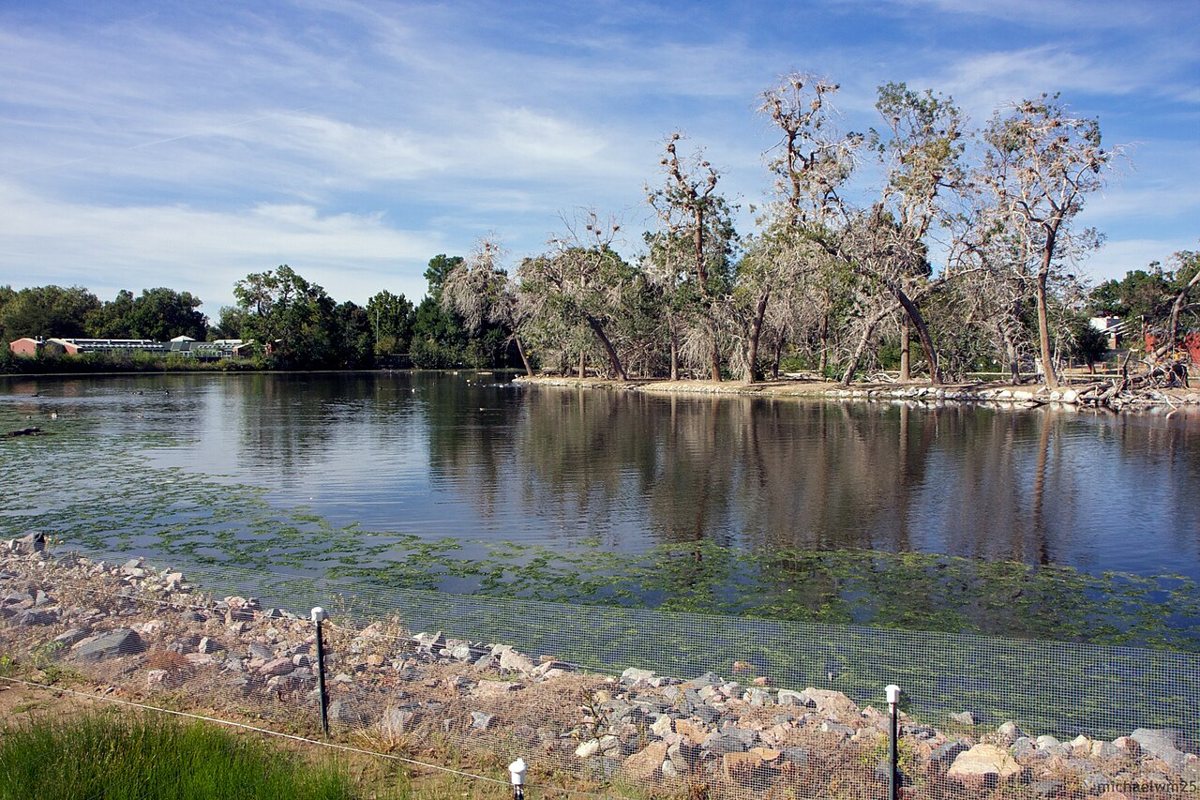
City Park is Denver's front yard in the truest sense. The 330-acre park anchors the northeast edge of the Capitol Hill and Congress Park neighborhoods, and on any given morning it holds runners, families, old men playing chess near the pavilion, and a loose coalition of people who have nowhere else they'd rather be. Ferril and Duck, the park's two lakes, are ringed by a paved path that's perfect for a long, flat walk when you need to decompress. The park also frames one of the best skyline-with-mountains views in the city: stand near the boathouse and face west on a clear day, and the Rockies sit like a painted backdrop behind the downtown towers.

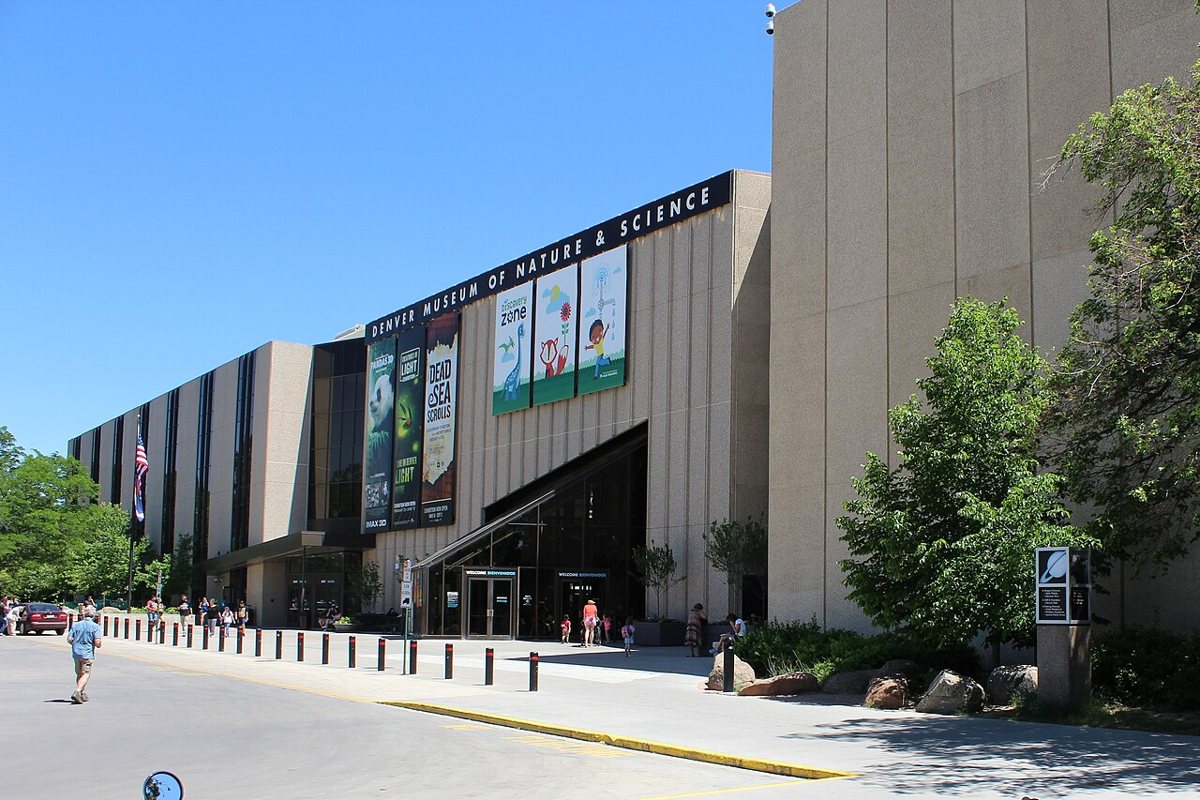
Right on the park's eastern edge sits the Denver Museum of Nature and Science, which does not get enough credit from people who write off science museums as kids-only territory. The Prehistoric Journey dinosaur hall is legitimately impressive, and the museum's collection of Colorado fossils gives it a real local anchor. The IMAX dome runs programming that appeals well beyond the field-trip crowd. Check current hours and plan for at least two hours if you're doing it properly.

Capitol Hill and the Clyfford Still Museum
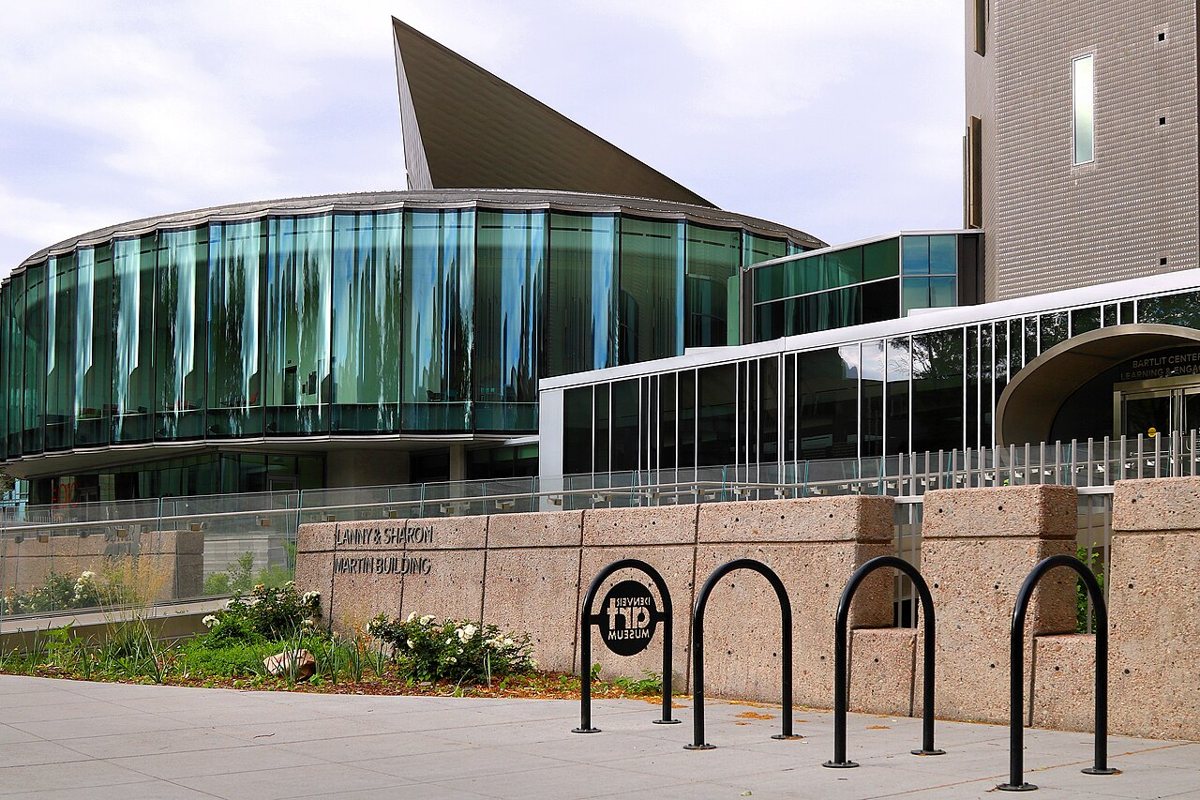
The Denver Art Museum has been one of the better art museums between the coasts for decades, and the Frederic C. Hamilton Building, designed by Daniel Libeskind in all titanium angles and shattered geometry, is worth standing outside and studying before you go in. The permanent collection covers pre-Columbian art, Native American work, and a strong modern wing. The DAM rotates blockbuster traveling exhibitions through at a steady clip, so check what's showing before you plan a visit. It's on Bannock Street in the Civic Center area, walkable from the Capitol building.

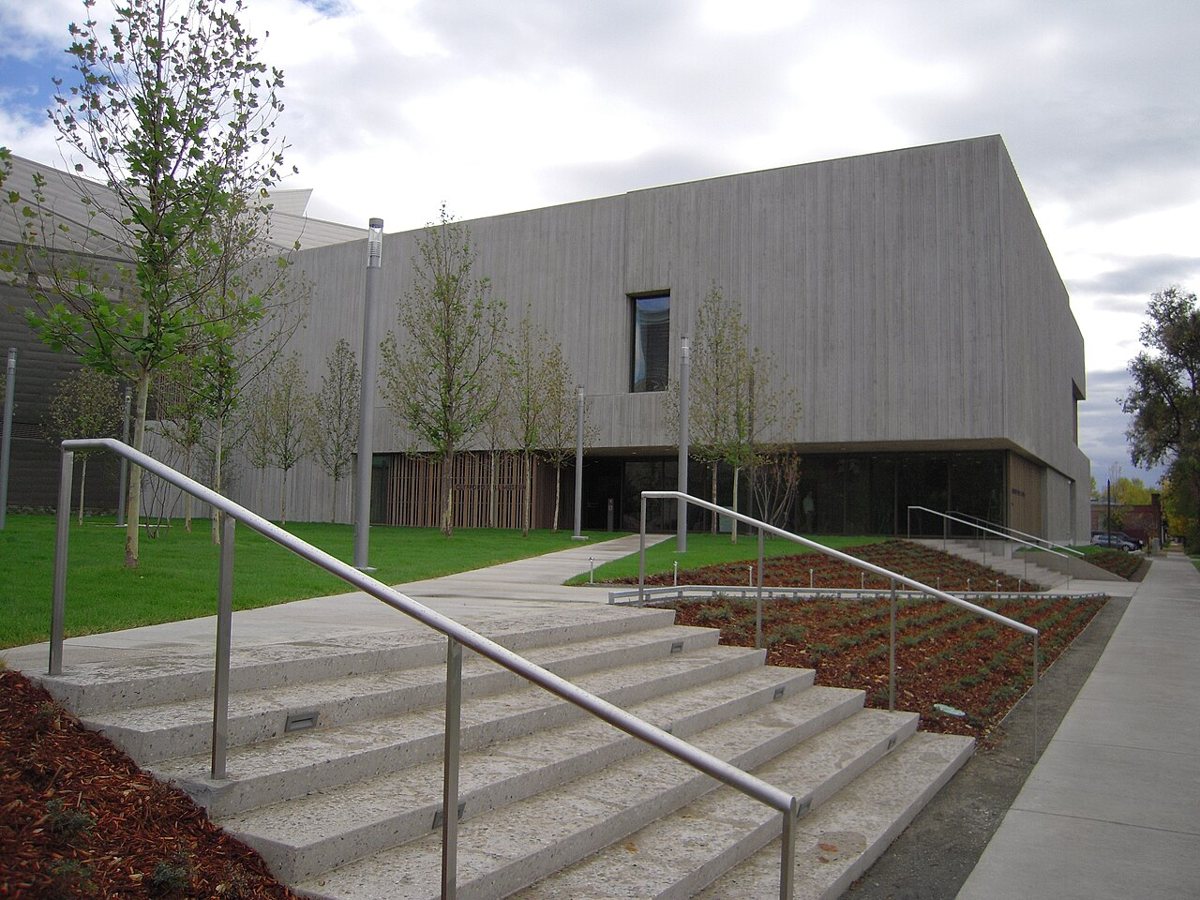
A short walk away, the Clyfford Still Museum is one of those institutions Denver should brag about more. Still was one of the founding figures of Abstract Expressionism, and he stipulated in his will that his entire estate go to a single American city that would dedicate a museum solely to his work. Denver won that competition, and the resulting building on Bannock is quiet and focused, genuinely moving if you give it time. The galleries are designed with diffused natural light, which is the only correct way to see Still's massive canvases. This is a strong afternoon for serious art people and an unexpectedly good introduction for anyone who thinks they don't like abstract painting.

RiNo: River North Arts District
The transformation of the River North neighborhood from light-industrial warehouses into the city's densest concentration of breweries and art galleries happened fast, too fast for some longtime residents, but the creative infrastructure it produced is real. Walking the blocks between Larimer and Brighton on a weekend afternoon means navigating murals at every turn, popping into working studios, and deciding between more good food and drink options than any reasonable person can handle in a day. The Denver Central Market on Larimer is a good anchor: a repurposed warehouse holding a rotating cast of food vendors plus a good bottle shop and a coffee bar, all under one roof with long communal tables.
The brewery scene in RiNo is worth its own afternoon. a RiNo brewery crawl can legitimately fill four or five hours if you pace yourself, with taprooms from several of the city's well-known producers within walking distance of each other. The neighborhood is also the place to catch art opening nights, usually on the first Friday of each month, when galleries stay open late and the streets fill with people moving between venues.
Union Station and LoDo
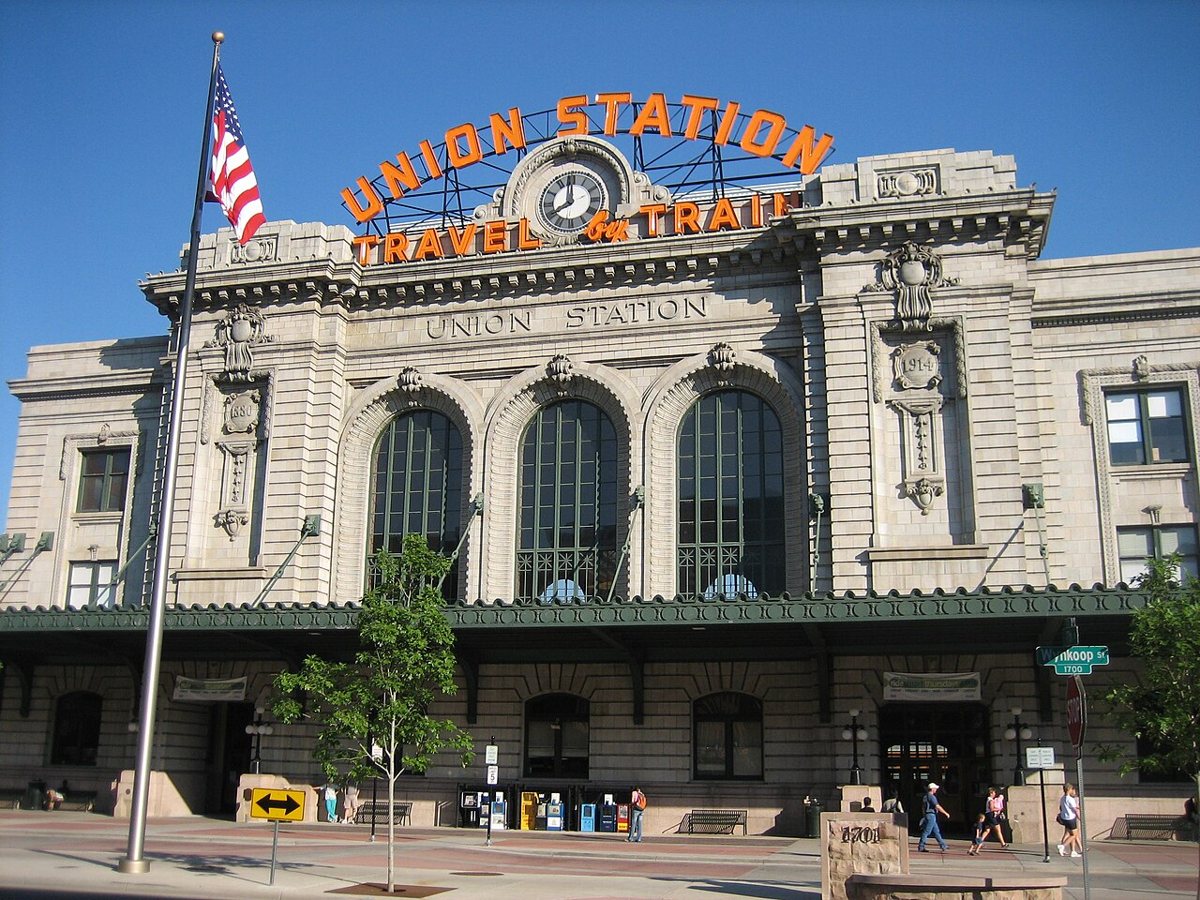
Union Station Denver was renovated and reopened in 2014 as a mixed-use hub, and it has managed to be both a genuine transit center and a destination in its own right, which almost never works out that way. The Great Hall is beautiful, with high ceilings and restored terrazzo floors, the old neon sign still glowing overhead. The bar inside the building is a perfectly good place to have a drink regardless of whether you're catching a train. The surrounding lower downtown blocks hold Coors Field, several of the city's best cocktail bars, and the start of Larimer Square.

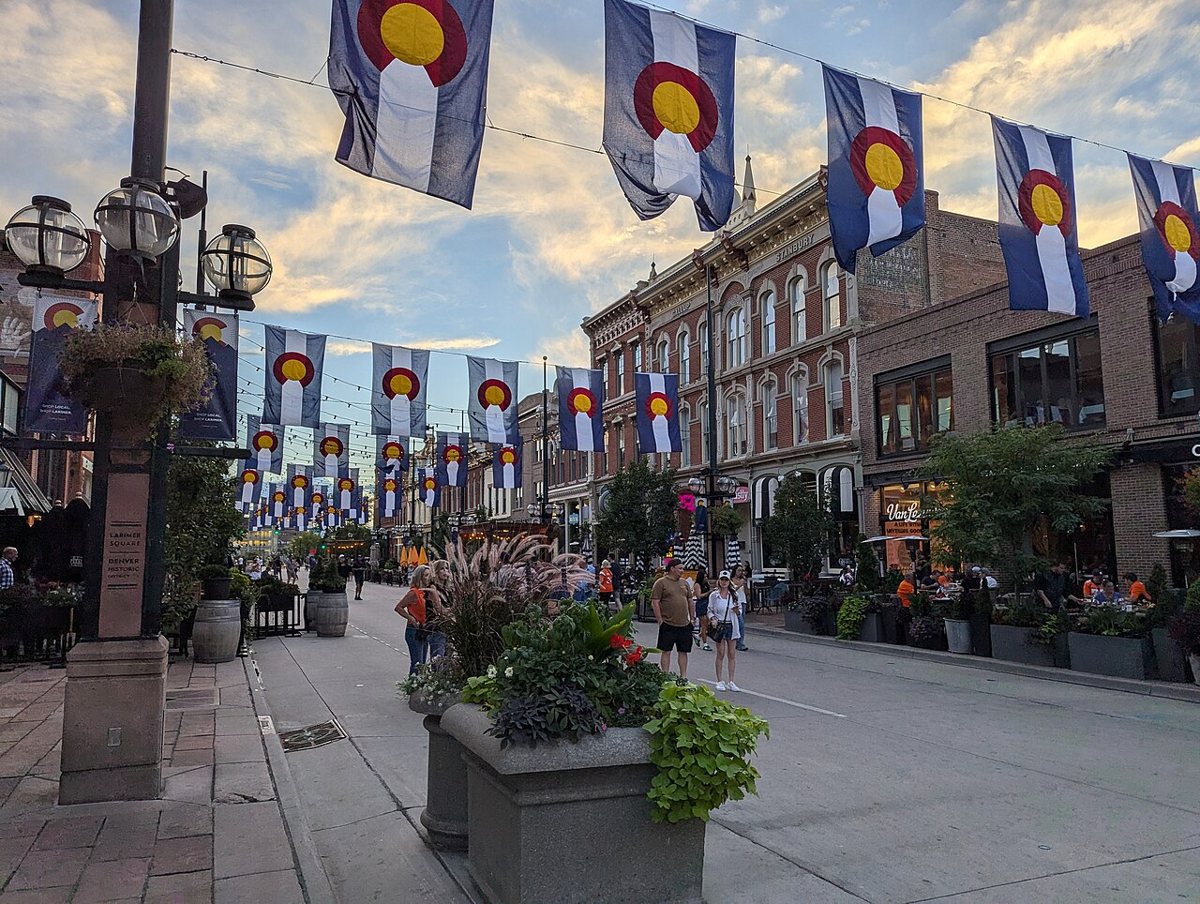
Larimer Square is a single block, the oldest surviving commercial block in Denver, mid-Victorian brick that has held its identity through every boom cycle the city has run through. It's a good dinner destination and an easy walk from Union Station. The block has a covered alley strung with lights and a mix of long-running independent restaurants alongside newer arrivals. Go on a weeknight if possible, since weekend crowds can make the sidewalks feel like a conveyor belt.

Washington Park (Wash Park)
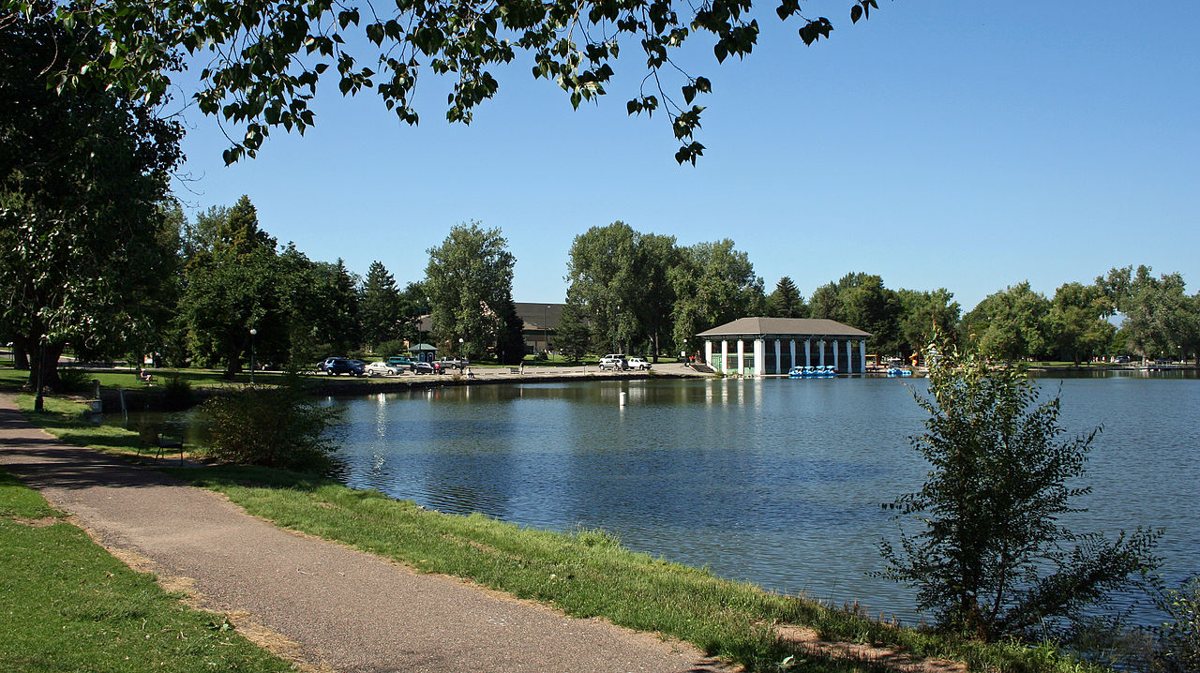
You will hear locals call it Wash Park so often that the full name starts to sound formal. The park is in the residential southeast, surrounded by one of Denver's more settled and well-maintained neighborhoods, and it functions as the neighborhood's communal living room. The outer running loop runs about 2.6 miles and is almost always busy. There are two large flower gardens, on the Smith Lake and Grasmere sides, maintained by the city's parks department, and the historic boathouse sits between the two lakes. Volleyball courts stay competitive on summer weekends, and the boathouse lawn turns into an informal picnic ground once the weather warms. The neighborhood streets around the park, lined with bungalows and older brick homes, are worth a slow walk on their own. To understand what a certain stratum of Denver life looks like, spend a few hours at Wash Park on a Sunday.

Red Rocks and the Outdoors
Red Rocks Amphitheatre
Red Rocks Amphitheatre is not a secret, and every person who has ever visited Denver has heard of it. It is also, genuinely, among the most extraordinary outdoor performance venues anywhere, and the reputation is deserved. The red sandstone formations that frame the stage were not designed by anyone. They formed naturally, and the acoustics they create are the result of geology, not engineering. The venue sits about 15 miles west of downtown in Morrison, at roughly 6,450 feet of elevation, which means you will feel the altitude if you climb to the top rows.
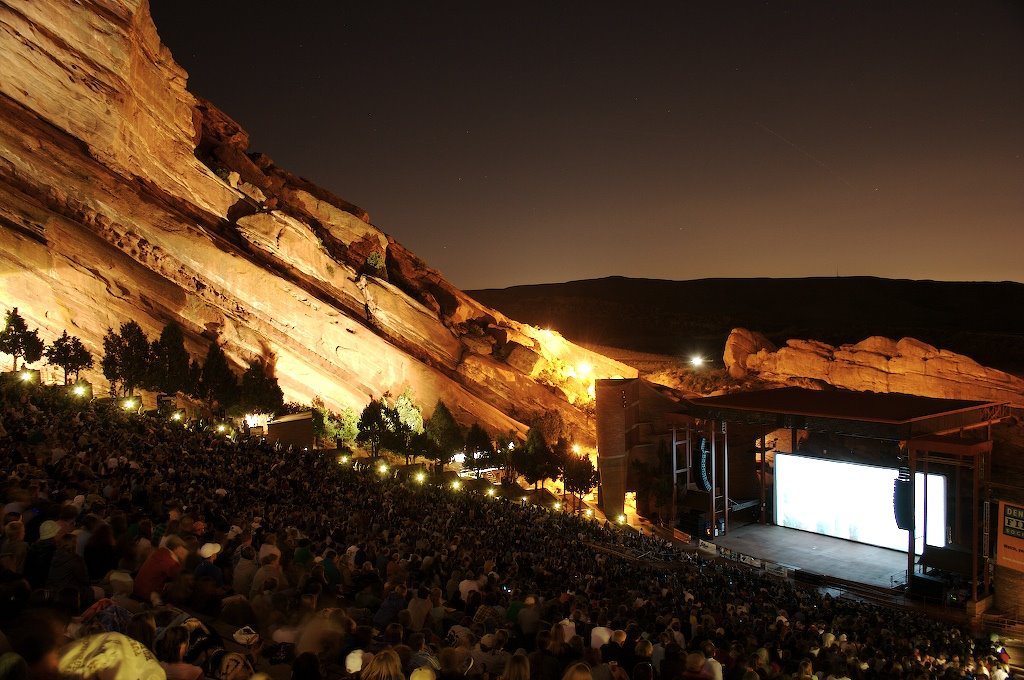

What the concert listings don't tell you is that Red Rocks is worth visiting even when nothing is playing. The park is open to the public most mornings for hiking and the famous Red Rocks workout, where locals climb the stadium stairs and run the trails before the venue opens for evening shows. On a clear morning you can see all the way to the downtown skyline from the upper rows, the city laid out flat against the plains while you catch your breath. The geology and history museum in the visitor center is small but worth thirty minutes. Get there early if you're going to a show, because the parking situation is earnest and the switchbacks coming up from Morrison move slowly.
Denver Botanic Gardens
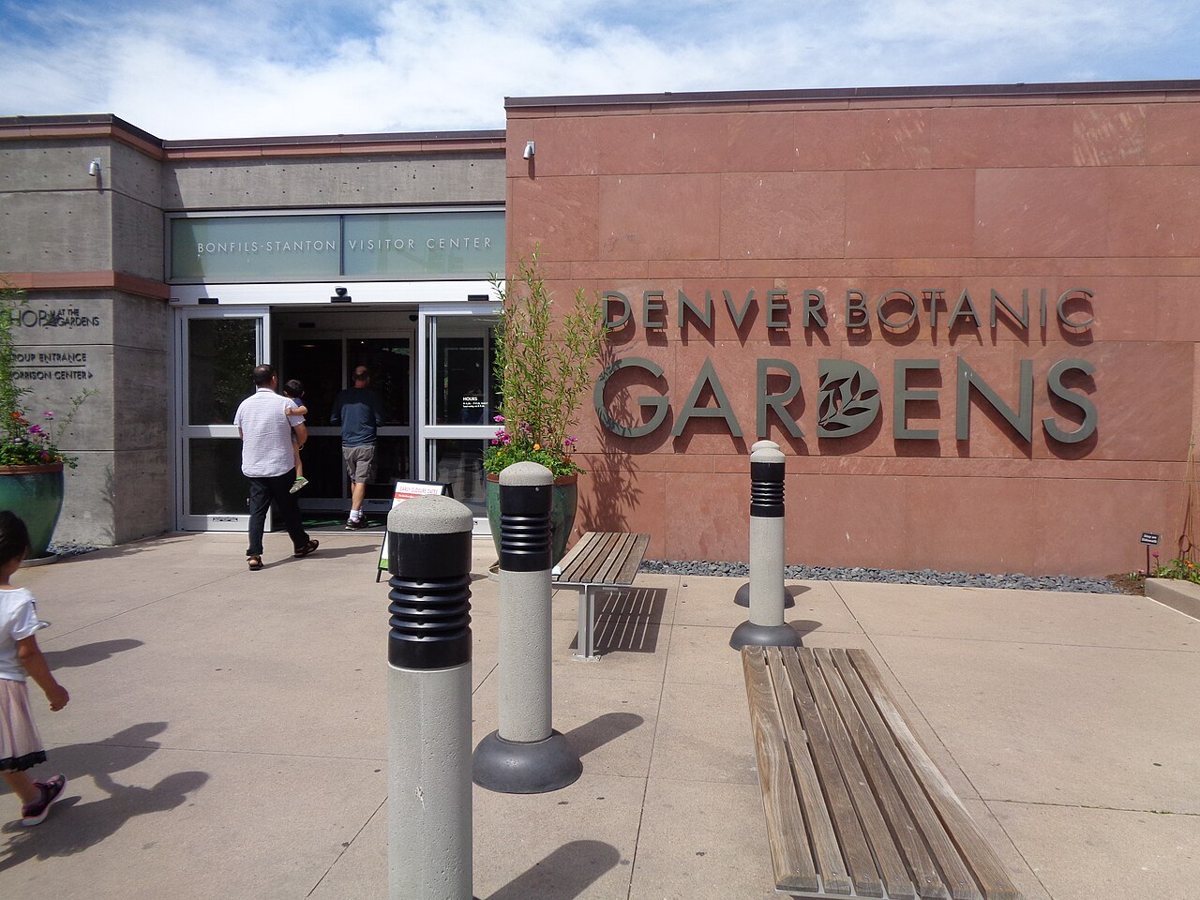
The Denver Botanic Gardens on York Street in the Cheesman Park neighborhood earns deeper appreciation with each visit. The main garden covers about 24 acres and includes specialized gardens worth seeking out: a water-smart garden built around Colorado's semi-arid conditions, a Japanese garden, a rock alpine garden with plants from mountain elevations around the world, and a conservatory with tropical collections. Late summer, when the Colorado-native sections fill in, is a particularly good time to go. The gardens also run an outdoor concert series through the summer months that draws a different crowd than Red Rocks, with more blankets and wine, and smaller acts on the bill.

Five Points, Coors Field, and the Ballpark Neighborhood
Five Points and Its History
Five Points is named for the intersection at 27th and Welton, where five streets converge, and its history as Denver's historically Black neighborhood runs deep. Once called the Harlem of the West for the jazz clubs and cultural institutions that flourished here through the mid-20th century, the neighborhood is changing fast, and the gentrification conversation here is particularly charged. What remains is a stretch of Welton Street with murals, the historic Rossonian Hotel building that hosted nationally touring acts when Black performers couldn't stay at downtown hotels, and a community working hard to retain cultural continuity through the development pressure. Walking Welton is more interesting and more complex than any simple neighborhood tour.
Coors Field
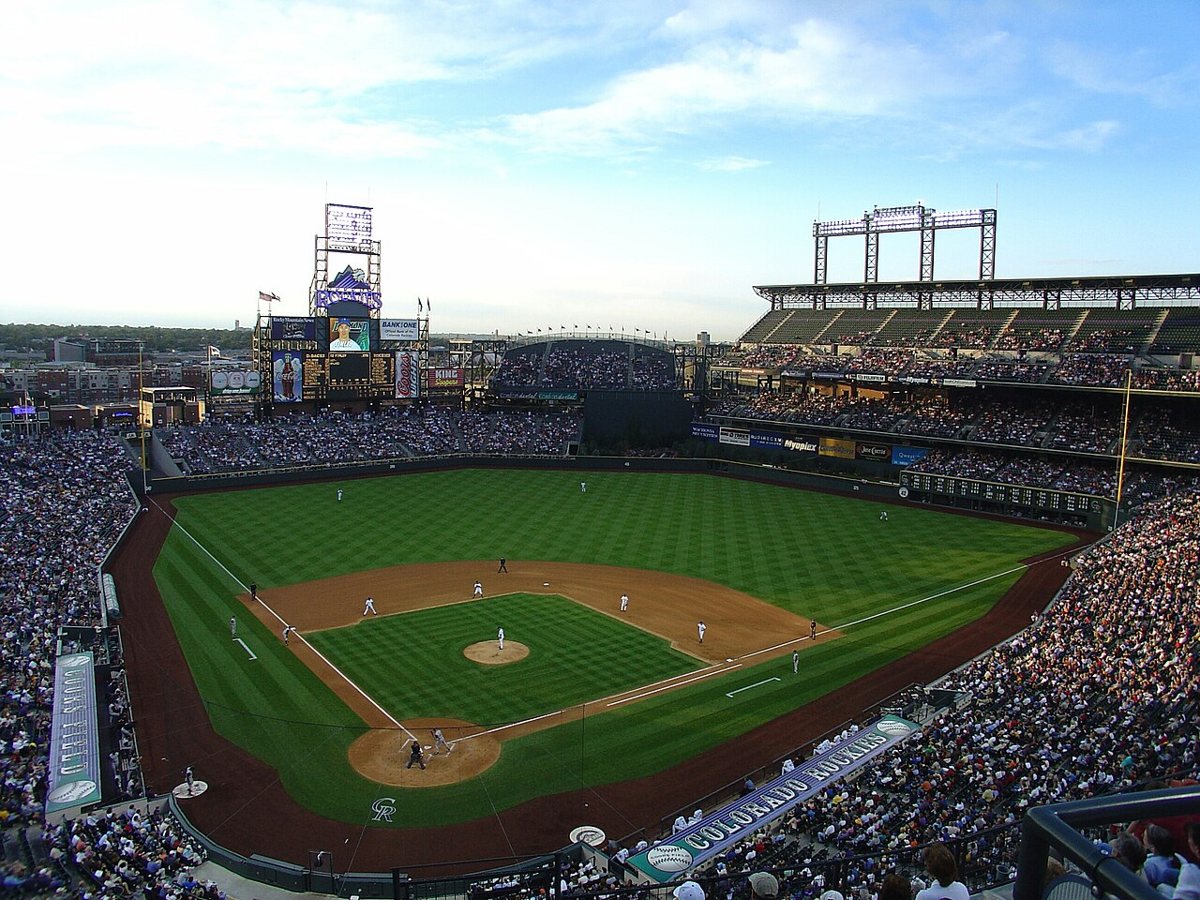
Coors Field sits at the edge of LoDo and the Ballpark neighborhood and remains one of the better ballparks in the National League for an afternoon game. The Rockies are the Rockies, which means some seasons are better than others, but the stadium itself, opened in 1995 and designed to echo the brick warehouse aesthetic of the surrounding neighborhood, is comfortable and well laid out. The humidor in which the Rockies store baseballs to counteract the altitude and dry air is a piece of Denver-specific baseball engineering that feels like a local point of pride. Sitting in the upper deck on a clear afternoon with the mountains visible over the left-field wall is a specific pleasure. Check the schedule and buy tickets when the weather is reliably good.

Highland, LoHi, and Sunnyside
Highland Bridge and the Platte River Trail
The pedestrian Highland Bridge connects LoHi to the Platte River trail system and the Confluence Park area, and crossing it gives you a good working sense of how the city is oriented physically, with downtown to the east, the mountains to the west, and the South Platte running below. Confluence Park, where the Platte and Cherry Creek meet, is a place where kayakers sometimes play in the standing wave when water levels cooperate. The trail system from here runs both north toward Globeville and south toward Englewood, connecting parks and neighborhoods in a way that makes Denver genuinely walkable and bikeable in the river corridor.
LoHi Brunch and Highlands Square
LoHi's brunch corridor has been famous enough long enough that it has spawned its own weekend traffic patterns. The neighborhood's restaurant concentration around 32nd and Lowell is genuinely good, the quality of cooking here is high, the menus skew toward local sourcing, and the green chile, whether red or Christmas, is taken seriously. a good local coffee shop is easy to find in this neighborhood, where the independent cafes in Sunnyside and along 32nd have built loyal neighborhood followings. Go on a weekday morning to avoid the wait situation, which on weekends can run long.
Baker and South Broadway
The South Broadway corridor through Baker is the city's indie retail and live music backbone in a way that RiNo, for all its polish, isn't quite. The stretch of Broadway between Mississippi and Alameda holds record stores and bookshops, vintage clothing and music venues that have been here long enough to have real histories. The Mayan Theatre, a 1930 movie palace with its original Mayan Revival architecture more or less intact, shows independent and foreign films and is worth a visit for the building alone. The neighborhood's restaurant scene skews more casual and price-accessible than LoHi, and the bar scene leans toward dive bars with good jukeboxes over craft cocktail programming. On a warm evening the sidewalks fill with people drifting between shows and shops, and the corridor stays awake later than much of the rest of the city.
Practical Notes for Getting Around
Denver's RTD system runs both light rail and commuter rail, connecting the airport to Union Station and branching out to several neighborhoods worth visiting. The free mall shuttle runs the length of the 16th Street Mall, connecting Union Station to Civic Center Station, and is genuinely useful for covering the downtown core without a car. For neighborhoods like RiNo, Baker or LoHi, a bike, either personal or from a docking network, covers ground faster than any other option. Parking is available in most areas, but weekend demand in LoHi and RiNo can be frustrating.
- City Park, Wash Park, and Confluence Park are free to enter and open daily.
- The Denver Botanic Gardens charges admission; membership pays off quickly if you plan multiple visits in a year.
- Red Rocks is free for daytime hiking and trail use; concert tickets sell separately and often in advance.
- The Denver Art Museum has free days; check the current schedule before assuming admission cost.
- The Clyfford Still Museum charges a modest admission but is frequently overlooked, which means short lines.
- Most RiNo gallery spaces are free to enter during regular hours and open nights.
- The A Line train from the airport to Union Station runs frequently and takes about 40 minutes, the easiest airport connection in the region.
Altitude affects people differently. Denver sits at 5,280 feet, and the surrounding foothills and parks push higher. Drink more water than you think you need, especially if you're exercising, and give yourself a day before anything strenuous if you're coming from sea level.
The best time of year to be in Denver is a genuine argument locals have regularly. September is the consensus answer for most: the summer crowds have thinned, the weather holds warm through the afternoon, the aspens in the nearby mountains are turning, and Palisade peach season is either at its peak or just finishing. But a blue-sky January afternoon with fresh snow on the mountains and 55 degrees downtown is its own argument. The city doesn't really have an off season the way mountain towns do, since the appeal is the city itself, not a single seasonal draw.
What doesn't get said often enough: Denver is genuinely good at being a city. The parks infrastructure is excellent, the food scene has matured past its infancy, the arts institutions punch above their weight, and the neighborhood variety gives the place real texture, from the dense Victorian blocks of Capitol Hill to the converted warehouses of RiNo to the settled residential quiet of the streets around Wash Park. The mountains are right there, and they are spectacular, and you should go. But the people who live here aren't waiting for the weekend ski trip to justify their address. The city is the point.